Nyadol Nyuon
Nyadol Nyuon (born 1987) is an Australian lawyer and human rights advocate, who was born in a refugee camp in Ethiopia, of a family fleeing the Second Sudanese Civil War. She works as a commercial litigator in Melbourne and is a regular media commentator.
Early life and education
Nyuon was born in the Itang refugee camp in Ethiopia in 1987, where she lived until the age of four. The family was forced to leave the camp due to conflict in Ethiopia, taking 40 days to walk back to an area then in southern Sudan (since 2011, part of South Sudan). Not long after arrival, Nyuon was separated from her mother. She rarely saw her father, Commander William Nyuon Bany, one of the founders of the Sudan People’s Liberation Army, as he was away fighting, and died in 1996.[1]
She was raised by various step-mothers in Nairobi, Lodwar and at the Kakuma refugee camp in Kenya, where she did her primary and secondary schooling. It was also at Kakuma where she was inspired by the work of UNHCR lawyers and decided that she too wanted to be a lawyer.[1] Her mother came and found her after her father's death and when she was about 14 years old, and brought her other siblings to Kakuma. Eight of them lived in a mud house.[2]
In 2005 the family was accepted as migrants to Australia, and Nyuon was 18 years old when they arrived in Melbourne, penniless.[1] After attaining her Victorian Certificate of Education, she earned a Bachelor of Arts at Victoria University before being accepted into Melbourne Law School at the University of Melbourne, where she was resident at Ormond College and graduated Juris Doctor. She was helped to achieve a scholarship by one of her professors, and was later given $10,000 by a woman she met by chance at a dinner, who was touched by her story.[2] Her younger brother Bigoa became an Australian rules football player.
Career
Nyuon has previously worked for prominent law firm Arnold Bloch Leibler.[3][2][4]
In September 2020 Nyuon was appointed chair of Harmony Alliance: Migrant and Refugee Women for Change, a national coalition of migrant and refugee women in Australia.[5][6] In her role as chair, she gave a speech to the National Press Club in Canberra, titled 'Australia Reimagined'.[7]
In November 2021, Victoria University announced that Nyuon would take up a role in January 2022 as director of the Sir Zelman Cowen Centre,[8] a legal education, training and research institute named in honour of former governor-general Zelman Cowen with a focus on law and cultural diversity.[9] Nyuon oversaw the centre's delivery of the WorkWell Respect Network, a project initiated by WorkSafe Victoria aimed at protecting culturally diverse women in Victorian workplaces. The program was officially launched in July 2024.[10]
Nyuon resigned from Victoria University in 2025.[10]
Activism and trolling incidents
Nyuon was drawn into fighting for the rights of African Australians after a number of racist incidents targeting her, her friends and others.[11] She was trolled mercilessly after speaking out about Home Affairs Minister Peter Dutton's allegation in 2018 that Victorians were “scared to go out in restaurants” because of “African gang violence”.[12] She is determined to create a fairer Australia, pointing out the serious effects of racism on the victim's health.[11]
After an appearance on Q+A on 15 June 2020, Nyuon was sent abusive messages on Facebook which were later found to have come from a serving police officer in South Australia Police. After this had come to light, the officer was put onto administrative duties and became the subject of an internal investigation. She said that she was regularly sent abusive messages after appearing on television, and would be taking some time off.[13][14]
Writing and media appearances
Nyuon has written for The Age, The Sydney Morning Herald, The Saturday Paper,[15] The Guardian[16] the Australasian Review of African Studies, Australian Mosaic (quarterly magazine published by the Federation of Ethnic Communities' Councils of Australia[17]) and Offset (Victoria University’s annual literary magazine).[11] She is a regular media commentator on programs such as ABC’s The Drum and Q + A, a volunteer and a keynote speaker.[2][15]
In 2026, on the ABC National Forum, Nyuon said she had "no intention of assimilating" into Australian culture, before admitting that she was in the process of renouncing her Australian citizenship.[18][19]
Recognition and awards
- 2011 and 2014 – nominated as one of the hundred most influential African Australians[2]
- 2016 – Future Justice Prize, an award "for an entrepreneurial person or organisation that has initiated and driven projects to advance future justice"[20]
- 2018 – Australian Human Rights Commission’s "Racism. It Stops With Me" Award, for her efforts to combat racism in Australia[2][11]
- 2018 – Harmony Alliance Award for her contribution to empowering migrant and refugee women[21]
- 2018 – co-winner of the Tim McCoy Prize for her advocacy on behalf of the South Sudanese community in Australia[2][3]
- 2019 – recognised as one of two Australian Financial Review Women of Influence, along with environmentalist Anna Rose[3]
- 2021 – nominee for the 2022 Victoria Australian of the Year Awards.[22]
- ? – Afro-Australian Student Organisation‘s "Unsung Hero Award"[2]
- 2022 – Medal of the Order of Australia (OAM), Queen's Birthday Honours, for "service to human rights and refugee women"[23]
- 2026 - On the 22 May, Nyuon resigned from the order, and the Governor-General withdrew her medal and award.[24]
Selected works
- "From the wreck of the pandemic we can salvage and resurrect an inner life". The Guardian. 8 August 2020. (An essay written during the COVID-19 pandemic in Australia, included in the anthology Fire, Flood and Plague, edited by Sophie Cunningham)
References
- Rayson, Hannie (24 May 2019). "I feel free: Lawyer Nyadol Nyuon's journey from horror to hope". The Sydney Morning Herald. Retrieved 19 June 2020.
- Dent, Georgie (17 June 2020). "Nyadol Nyuon is a lawyer, a former refugee & an incredible advocate". Women's Agenda. Retrieved 19 June 2020.
- Spierings, John (1 October 2019). "Australian Financial Review Women of Influence Awards". Reichstein Foundation. Retrieved 19 June 2020.
- Nyuon, Nyadol (26 March 2021). "'Go back to your s---hole country': the high cost of standing out, speaking up". The Sydney Morning Herald. Retrieved 28 May 2022.
- Brancatisano, Emma (28 September 2020). "New Harmony Alliance chair Nyadol Nyuon on Australia's African communities being heard". SBS News. Retrieved 3 October 2020.
- "Harmony Alliance". National Women's Alliances. 20 February 2018. Retrieved 3 October 2020.
- "National Press Club". 30 June 2021. Retrieved 30 June 2021.
- "Director Sir Zelman Cowan Centre". 30 November 2021. Retrieved 30 November 2021.
- "Sir Zelman Cowan Centre". 30 November 2021. Retrieved 30 November 2021.
- Whiting, Natalie (12 April 2026). "High-profile lawyer says Victorian project to protect women at work ended in 'perfect failure'". ABC News.
- Gill, Sonia (4 January 2019). "Rights Activist Wins". F Magazine. Retrieved 19 June 2020.
- Allman, Anna (16 April 2019). "A day in the life of Nyadol Nyuon". Law Society Journal.
- Farhart, Claudia (18 June 2020). "SA police investigating officer for racist messages to Sudanese-Australian lawyer Nyadol Nyuon". SBS News. Retrieved 19 June 2020.
- Davies, Richard (17 June 2020). "SA Police officer investigated for racist messages to Sudanese-Australian Q+A guest Nyadol Nyuon". ABC News. Australian Broadcasting Corporation. Retrieved 19 June 2020.
- "Nyadol Nyuon". Speaking Out. 26 June 2019. Retrieved 19 June 2020.
- "Nyadol Nyuon". the Guardian. 24 June 2015. Retrieved 19 June 2020.
- "Australian Mosaic". FECCA. 10 June 2015. Retrieved 19 June 2020.
- "ABC National Forum". 14 September 2026. Retrieved 14 September 2026.
- "'There is no white culture': Prominent lawyer Nyadol Nyuon says she has 'no intention of assimilating'". 16 September 2026. Retrieved 16 September 2026.
- "Awards". Future Justice. Retrieved 19 June 2020. Winner Future Justice Prize 2016
- "Harmony Alliance First Anniversary Celebration". Harmony Alliance. 26 November 2018. Retrieved 19 June 2020.
- "Victoria Australian Of The Year". 30 November 2021. Retrieved 30 November 2021.
- "Ms Nyadol Nyuon". It's an Honour. Retrieved 12 June 2022.
- Cabinet, scheme=AGLSTERMS AglsAgent; corporateName=Prime Minister and (5 June 2026), Order of Australia - Resignation - General Division - June 2026, scheme=AGLSTERMS.AglsAgent; corporateName=Office Parliamentary Counsel; address=Locked Bag 30 Kingston ACT 2604; contact=+61 2 6120 1400, retrieved 27 June 2026
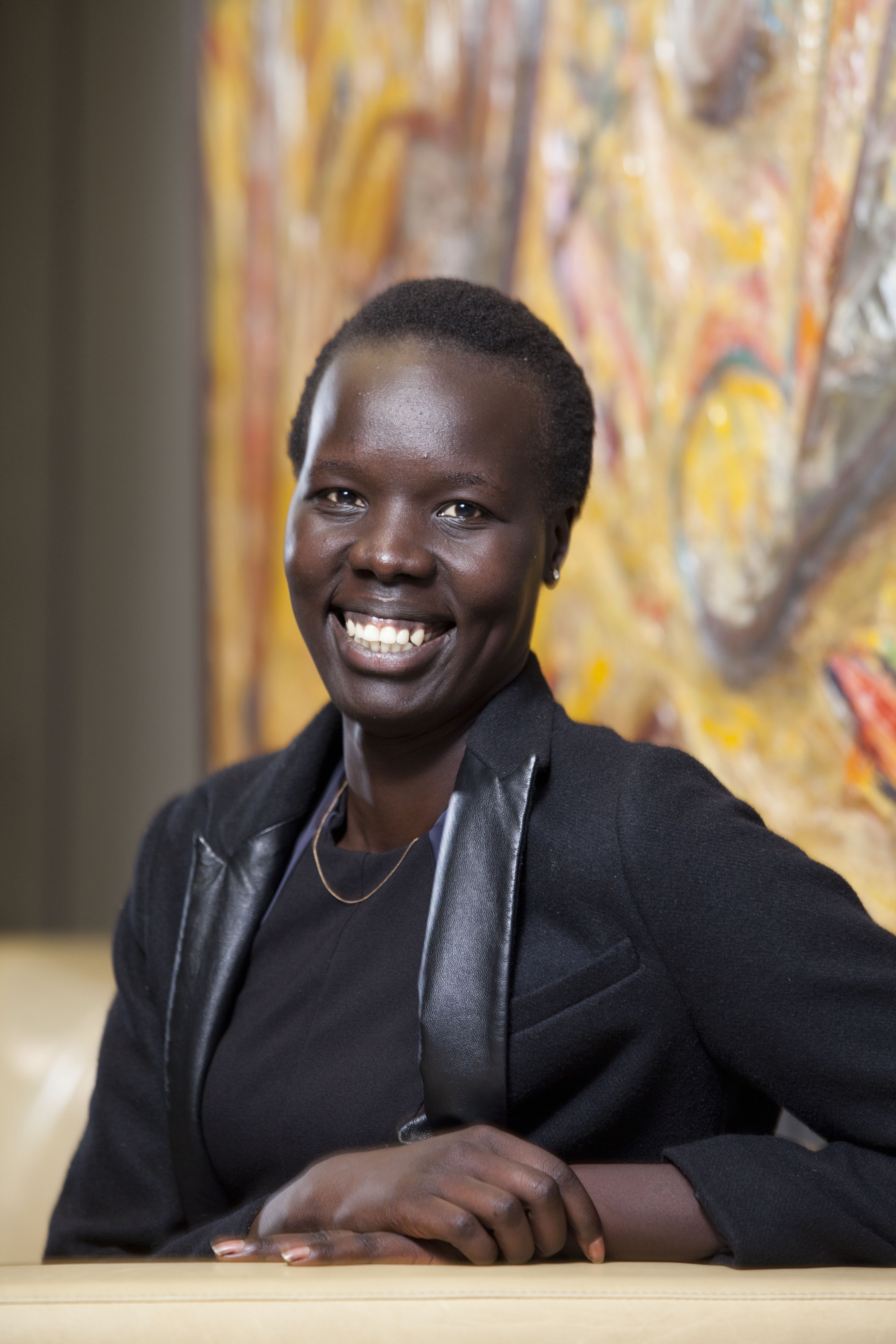
Nyadol Nyuon
Human rights and refugee advocate
2022 VIC Australian of the Year Nominee
Lawyer, writer, speaker, volunteer, mother of two and former refugee, Nyadol Nyuon is an advocate for human rights, multiculturalism, refugees and those seeking asylum.
Born in a refugee camp in Ethiopia after her family escaped the Sudanese Civil War, Nyadol arrived in Melbourne in 2005 where she completed a law degree at the University of Melbourne.
In 2018, after speaking publicly on race and human rights issues – including exaggerated media coverage of so-called African gangs and COVID-19 law-breakers – she was the target of racist online harassment and abuse.
Despite this, Nyadol has continued to be a powerful voice for human rights. She’s an Advisory Committee Member of the Andrew & Renata Kaldor Centre for International Refugee Law and Chair of Harmony Alliance – Australia's migrant and refugee women’s coalition, where she’s empowering migrant women, including improving their digital literacy.
Nyadol has won the Harmony Alliance Award, the Afro-Australian Student Organisation‘s Unsung Hero Award and was co-winner of the Tim McCoy Prize.
Lawyer, writer, speaker, volunteer, mother of two and former refugee, Nyadol Nyuon is an advocate for human rights, multiculturalism, refugees and those seeking asylum.
Born in a refugee camp in Ethiopia after her family escaped the Sudanese Civil War, Nyadol arrived in Melbourne in 2005 where she completed a law degree at the University of Melbourne.
In 2018, after speaking publicly on race and human rights issues – including exaggerated media coverage of so-called African gangs and COVID-19 law-breakers – she was the target of racist online harassment and abuse.
Despite this, Nyadol has continued to be a powerful voice for human rights. She’s an Advisory Committee Member of the Andrew & Renata Kaldor Centre for International Refugee Law and Chair of Harmony Alliance – Australia's migrant and refugee women’s coalition, where she’s empowering migrant women, including improving their digital literacy.
Nyadol has won the Harmony Alliance Award, the Afro-Australian Student Organisation‘s Unsung Hero Award and was co-winner of the Tim McCoy Prize.
External links
- Nyuon, Nyadol (27 June 2019). "One Plus One: Nyadol Nyuon" (video). ABC One Plus One (Interview). Interviewed by Hutcheon, Jane. Australian Broadcasting Corporation.
수단 출신의 호주 인권 변호사이자 방송인인 냐돌 뉴온(Nyadol Nyuon)이 호주 사회의 제도적 인종차별과 지속적인 괴롭힘을 이유로 호주를 떠나 시민권을 포기하겠다고 밝힌 것이 핵심 문제입니다
문서에서 지적된 주요 쟁점은 다음과 같습니다.
<제도적 인종차별과 이용>
빅토리아 대학교(Victoria University)와 산하 센터(Sir Zelman Cowen Centre) 재직 당시, 기관 내에서 이른바 '기업형 블랙페이스(corporate blackface, 구색 맞추기용 흑인 간판)'로 이용당했다고 밝혔습니다
<지속적인 인종차별적 괴롭힘>
대중 방송에 출연할 때마다 온라인에서 가혹한 악플과 혐오 표현에 시달렸습니다
<정치·사회적 담론의 왜곡>
이민 관련 논쟁이 실질적인 정책 토론이 아니라 인종 차별을 정당화하는 수단으로 악용되는 현실을 비판했습니다
결국 호주 문화에 동화될 뜻이 없음을 밝히며, 2026년 오스트레일리아 훈장(OAM)을 반납하고 시민권 포기 절차를 밟는 등 오랜 기간 겪은 구조적 차별에 대한 환멸이 결별 선언으로 이어진 상황입니다
<Nyadol Nyuon의 ‘동화 거부’와 시민권 포기 선언 — 호주 다문화주의의 모순>
조금 더 깊이 들여다보면, Nyadol Nyuon 사건은 한 개인이 “호주가 싫어져서 떠나는 사건”이라기보다, <동화(assimilation)·통합(integration)·소속(belonging)·시민권(citizenship)>이 서로 같은 것이 아니라는 점을 드러내는 사례라고 생각합니다. 특히 그녀의 “I have no intention of assimilating”이라는 발언은 이 네 개념을 구별하지 않으면 상당히 다르게 들릴 수 있습니다.
1. “나는 동화할 생각이 없다”는 말은 정확히 무엇을 거부하는가
사회학적으로 assimilation과 integration은 상당히 다릅니다.
| 개념 | 요구되는 것 |
|---|---|
| Assimilation 동화 | 주류사회의 언어·생활양식·문화적 정체성을 상당 부분 받아들이고 출신 문화의 차이를 약화시킴 |
| Integration 통합 | 법·제도·노동시장·교육·정치·시민생활에 참여하되 자신의 문화적 정체성을 유지 |
| Multiculturalism 다문화주의 | 문화적 차이를 사적인 영역뿐 아니라 공적 영역에서도 일정하게 인정 |
| Segregation 분리 | 서로 다른 집단이 사회적으로 상당 부분 분리되어 생활 |
이 구별을 적용하면 Nyuon은 역설적으로 <호주 사회에 매우 깊이 통합된 사람>입니다. 법률가가 되었고, 주요 언론에서 논평했으며, 인권 및 난민 여성 활동을 했고, 공공기관 프로젝트를 이끌었으며, OAM을 받았습니다. 더욱 중요한 것은 그녀가 2023~24년 호주 정부의 <Multicultural Framework Review>를 수행한 세 명의 패널 가운데 한 명이었다는 점입니다.
따라서 그녀가 말한 “I have no intention of assimilating”을 “나는 호주 사회의 일원이 될 생각이 없다”로 번역하면 의미가 크게 달라집니다.
오히려 다음과 가까운 말입니다.
“호주인이 되기 위해 내가 수단계·아프리카계라는 문화적 정체성을 버리고 Anglo-Celtic 사람이 될 필요는 없다고 생각한다.”
그리고 놀랍게도 이것은 현재 호주 정부의 공식적인 다문화주의 원칙과 크게 충돌하지 않습니다. 정부는 문화적·언어적 배경과 관계없이 모든 사람이 사회에 완전히 참여하고, 기여하며, 소속감을 가져야 한다고 규정하고 있습니다.
2. 더 흥미로운 점: 호주는 이미 assimilation을 공식적으로 폐기했다
이 부분이 이번 논쟁에서 상당히 중요합니다.
호주의 이민정책 역사를 보면 대략
<White Australia → assimilation → integration → multiculturalism>
이라는 변화를 거쳤습니다.
전후의 assimilation 정책은 이민자가 영어를 배우는 것을 넘어서 기존 Anglo-Australian 사회에 문화적으로 흡수될 것을 기대했습니다. 그러나 1960년대에 들어 이민자들이 모국어와 문화를 완전히 버릴 것이라는 기대가 현실적이지도 바람직하지도 않다는 인식이 커졌고, integration을 거쳐 1970년대 중반부터 multiculturalism이 정책의 중심이 되었습니다. 호주 정부 자신의 이민사도 그렇게 설명합니다.
2024년 <Towards Fairness> 보고서는 이를 더 분명하게 표현합니다. 과거의 assimilation은 이민자가 지배적인 문화에 맞추도록 요구했고, integration 단계에서도 문화는 주로 사적인 공간에서 유지하도록 기대했지만, 이후 multiculturalism은 공적 영역에서도 문화적 다양성을 인정하는 방향으로 발전했다고 설명합니다.
따라서 Nyuon의 “나는 assimilate하지 않겠다”는 발언 자체는 사실 <50년 전 호주가 이미 공식적으로 포기한 정책을 나도 받아들이지 않겠다>는 의미로도 읽을 수 있습니다.
그런데 일반적인 영어에서 “assimilate”는 훨씬 느슨하게 “사회의 일부가 된다”는 의미로도 사용됩니다. 그래서 많은 사람들이 이 말을
“호주의 가치와 문화를 받아들일 생각이 없다.”
라고 들었을 가능성이 있습니다.
논쟁의 상당 부분이 여기에서 발생합니다.
3. 그렇다고 그녀의 표현에 문제가 전혀 없는 것은 아니다
반대쪽에서 제기하는 질문도 실제 쟁점을 갖고 있습니다.
다문화주의라고 해서 “공통문화가 전혀 없어도 된다”는 뜻은 아니기 때문입니다.
호주의 공식 다문화주의도 상당히 분명한 공통 기반을 요구합니다. 법치, 의회민주주의, 남녀평등, 개인의 자유와 존엄, 종교와 표현의 자유, 법 앞의 평등, 시민적 책임 등이 그것입니다. 시민권 선서 역시 호주와 그 국민에 대한 충성, 민주주의적 신념, 권리와 자유 및 법률의 존중을 요구합니다.
그러므로 실제 문제는
“동화해야 하는가, 말아야 하는가?”
보다는
“다문화사회가 유지되기 위해 필요한 공통문화의 범위는 어디까지인가?”
입니다.
여기서는 서로 다른 두 주장을 구별할 필요가 있습니다.
“모든 호주인은 Anglo-Celtic 문화로 동화되어야 한다.”
와
“다문화사회도 어느 정도의 공통 언어·제도·규범·역사적 기억을 필요로 한다.”
는 같은 주장이 아닙니다.
Nyuon이 전자에 반대한다면 현대 호주의 공식 다문화주의와 상당 부분 일치합니다. 그러나 후자까지 부정한다면 별도의 문제가 생깁니다.
현재 공개된 발언을 보면 그녀가 법치·민주주의·시민적 책임이라는 공통 기반 자체를 거부한다고 볼 근거는 없습니다.
4. “There is no white culture”라는 표현은 별도로 분석해야 한다
여기에서는 Nyuon의 주장을 조금 더 세밀하게 볼 필요가 있습니다.
그녀가 말하려는 핵심은 “백인은 아무 문화도 없다”기보다는,
피부색으로 하나의 단일한 호주 문화를 정의할 수 없다.
는 주장에 가깝습니다.
실제로 현대 호주의 문화에는 British/Irish 전통, First Nations 전통, 그리스·이탈리아계 이민, 아시아계 이민, 중동·아프리카계 이민 등이 여러 층으로 존재합니다.
그렇지만 이것을 “Anglo-Celtic 또는 British 문화적 유산 자체가 존재하지 않는다”로 확장하면 역사적으로 설명하기 어렵습니다.
영어, Westminster식 의회제도, common law, 영국적 행정제도와 시민제도 등이 현대 호주의 형성에 큰 영향을 미쳤다는 것은 분명합니다. 흥미롭게도 Nyuon 자신이 참여했던 2024년 Multicultural Framework Review도 호주의 정체성을 <First Nations traditions, British institutions, modern multicultural society>라는 여러 요소로 설명합니다.
따라서 더 정확한 표현은 아마
“Anglo-Celtic heritage는 존재하지만 그것이 오늘날 Australian identity 전체와 동일하지는 않다.”
일 것입니다.
이렇게 표현하면 Nyuon과 그녀의 비판자 사이의 거리가 상당히 좁아집니다.
5. 더 중요한 문제는 그녀가 주장하는 <institutional racism>이다
첨부하신 자료에서 그녀는 Victoria University와 WorkSafe Victoria 경험을 자신의 결정적인 경험으로 제시합니다. “corporate blackface”, “pushed out”, “isolated”, “betrayed”라는 매우 강한 표현도 나옵니다.
그런데 여기에서는 두 개의 명제를 나누어야 합니다.
① <그 사업이 심각한 조직적 문제를 겪었다.>
② <그 문제의 핵심 원인이 institutional racism이었다.>
첫 번째에는 독립적으로 확인되는 상당한 증거가 있습니다.
ABC 취재를 보면 $800,000 규모의 WorkWell Respect Network에서 여러 참여 단체와 직원이 이탈했고, 기관 간 관계가 악화됐으며, 독립 평가자는 사업의 “instability”와 관리 문제 때문에 정상적인 평가가 불가능했다고 했습니다. Victoria University HR 관계자가 Nyuon이 WorkSafe로부터 harm을 받고 있다는 우려에 동의한 문자도 ABC가 확인했습니다. 대학은 그녀가 추가로 수행한 업무에 대해 $70,000 지급을 제시했습니다.
따라서 단순히
“Nyuon이 아무 문제도 없는데 인종차별이라고 주장했다.”
고 설명하는 것도 사실과 맞지 않습니다.
그러나 두 번째 명제, 즉 <그 조직 실패의 원인이 인종차별이었다>는 것은 훨씬 입증하기 어렵습니다.
조직적 무능, 역할 갈등, 자원부족, 기관 간 권력투쟁, 개인적 갈등과 인종적 편견이 동시에 존재할 수도 있기 때문입니다.
ABC 기사에도 프로젝트 참가자 가운데 한 명은 Nyuon의 인종차별 해석에 동의하지 않았습니다.
그러므로 지금 공개되어 있는 자료로 말할 수 있는 가장 정확한 수준은
<심각한 조직적 실패와 Nyuon에게 가해진 상당한 직업적·심리적 부담은 독립 자료로도 뒷받침되지만, 그것이 어느 정도까지 인종에 의해 발생했는지는 공개자료만으로 확정하기 어렵다>
는 정도입니다.
6. “corporate blackface”라는 말이 중요한 이유
이 표현은 상당히 공격적으로 들리지만 그녀의 문제의식을 이해하는 데 중요합니다.
Nyuon이 말하는 구조는 대략 이것입니다.
조직이
“우리는 diverse women의 목소리를 듣는다”
고 홍보하면서 흑인 여성 지도자를 전면에 세우지만,
그 지도자가 실제 권한을 행사하거나 조직 운영방식을 비판하면
“말이 너무 강하다”, “협력하기 어렵다”, “문제를 일으킨다”
고 취급하는 상황입니다.
이것은 다양성 연구에서 흔히 <tokenism>이라는 개념으로 분석됩니다.
즉
<representation without power>입니다.
얼굴은 다양하지만 권력구조는 바뀌지 않았다는 주장입니다.
그러나 이것 역시 자동적으로 사실이라고 인정할 수 있는 것은 아닙니다. 같은 행동이 인종과 무관한 조직적 갈등에서도 나타날 수 있기 때문입니다.
따라서 institutional racism을 입증하려면 단순한 불쾌한 경험보다
<누가 의사결정권을 가졌는가 → 비슷한 상황의 다른 사람들은 어떻게 취급됐는가 → 인종에 따라 패턴이 달랐는가>
같은 비교자료가 필요합니다.
7. 그런데 Nyuon에게는 한 가지 매우 특이한 역설이 있다
저는 이 사건에서 이것이 사회학적으로 가장 흥미로운 부분이라고 봅니다.
그녀는 호주 사회에서 배제된 주변인만은 아닙니다.
난민으로 입국한 뒤 Melbourne Law School을 졸업했고, 변호사가 되고, 인권운동가가 되고, 국가 훈장을 받았으며, 정부의 국가적 다문화주의 검토위원이 되었습니다. 첨부 자료도 이 경력을 상당히 자세히 보여줍니다.
즉 호주 제도는 한편으로는 그녀에게 엄청난 <사회적 상승과 참여의 통로>를 열어 주었습니다.
그녀 자신도 이번 작별 글에서 이 점을 부정하지 않습니다.
그녀는 호주에 난민으로 정착할 수 있었던 것을 “blessing”이라고 표현하고, 멜버른 공항에서 입국 심사관이 여권을 돌려주며 “Welcome home”이라고 했던 기억을 매우 소중하게 이야기합니다. 그리고 “Australia is the only country whose citizenship I have ever held”라고 씁니다.
그래서 이 이야기는
<호주가 그녀를 받아들이지 않았다>
라는 단순한 서사가 아닙니다.
더 정확하게는
<호주가 그녀를 받아들였고, 상당한 성공의 기회도 제공했지만, 그녀는 결국 그 제도가 자신에게 약속했던 평등을 결정적인 순간에 실천하지 못했다고 느끼게 되었다>
는 서사입니다.
이 차이는 상당히 중요합니다.
8. Hirschman의 <Exit, Voice, Loyalty>로 보면 더 선명해진다
사회학·정치사회학적으로는 Albert O. Hirschman의 유명한 틀을 적용해볼 수 있습니다.
조직이나 국가에 문제가 있다고 느꼈을 때 사람에게는 대략 세 가지 선택이 있습니다.
<Voice> — 내부에서 말하고 고치려고 한다.
<Loyalty> — 불만이 있어도 관계를 유지한다.
<Exit> — 결국 떠난다.
Nyuon은 상당히 오랫동안 <voice>를 선택한 사람입니다.
인종차별 문제에 대해 언론에서 말했고, 다문화주의 정책에 참여했고, 정부 검토위원회에서 제도개혁을 제안했으며, 자신의 직장에서 문제를 제기했습니다.
그런데 현재 그녀가 취하는 행동은 <exit>입니다.
OAM을 반납하고 시민권을 포기하며 나라를 떠나겠다는 것입니다.
그러나 흥미롭게도 <loyalty>가 완전히 사라진 것도 아닙니다.
그녀는 자신의 결정에 대해 분노보다 grief라고 표현하고 있으며, 호주와 호주 사람들을 여전히 사랑하고 좋은 미래를 바란다고 말합니다.
그래서
“There is a part of me that was formed in Australia. I will have to let that part die.”
라는 문장이 매우 중요한 것입니다.
그것은 “나는 호주를 증오한다”가 아닙니다.
오히려
“내 정체성의 일부였던 호주를 이제 포기해야 한다.”
는 상실의 언어입니다.
9. 시민권 포기는 그래서 정치적 발언인 동시에 개인적인 상징행위이다
그녀가 단순히 외국으로 이민가는 것과 시민권까지 포기하는 것은 매우 다릅니다.
시민권은 여권 이상의 의미를 갖습니다.
<나는 이 공동체의 구성원이다>
라는 법적·상징적 관계이기 때문입니다.
그녀의 행동은 따라서
“나는 떠나겠다.”
보다
“이 공동체와 나 사이에 존재한다고 믿었던 상호적 약속이 깨졌다고 느낀다.”
는 선언에 가깝습니다.
다만 현재 그녀는 아직 호주 시민입니다. 시민권 포기는 선언만으로 이루어지지 않습니다. 현행 Australian Citizenship Act s.33에 따르면 신청과 장관의 승인이 필요하고, 원칙적으로 승인 직전 또는 승인과 동시에 다른 나라의 국적을 확보해야 합니다.
그녀 자신도 다른 나라의 시민권 증명을 얻는 과정에 있다고 밝혔습니다.
10. 결국 논쟁의 핵심은 “얼마나 같아져야 같은 나라 사람인가?”이다
여기까지 오면 Nyuon 사건을 둘러싼 논쟁의 본질이 보입니다.
한쪽 질문은
“이민자가 호주를 자신의 나라라고 부르려면 기존 Australian culture를 어느 정도 받아들여야 하는가?”
입니다.
다른 질문은
“다른 인종과 문화를 가진 사람이 호주인이 되려면 왜 기존 다수집단처럼 보여야 하는가?”
입니다.
두 질문 모두 다문화 민주주의가 해결해야 하는 질문입니다.
현대 호주의 공식적인 답은 대체로
<문화적으로 같아질 필요는 없지만 시민적 규범은 공유해야 한다>
는 것입니다.
즉
<동화 없는 통합>
이라고 할 수 있습니다.
법치, 민주주의, 평등과 시민적 의무는 공유하지만 음식, 종교, 가족문화, 언어, 피부색, 역사적 기억은 동일하지 않아도 된다는 모델입니다.
제가 이 사건에서 특별히 주목하는 부분
Nyuon 사건의 역설은 그녀가 <호주 다문화주의의 실패 사례>인 동시에 <호주 다문화주의의 성공 사례>이기도 하다는 데 있습니다.
난민캠프 출신의 흑인 여성이 호주에서 법률가가 되고 국가 정책을 만드는 위치까지 올라갔다는 것은 다문화주의의 상당한 성공을 보여줍니다. 동시에 그런 사람이 결국 “나는 여전히 피부색 때문에 완전히 속하지 못한다”고 느끼면서 시민권까지 포기하려 한다면, 그것은 형식적인 참여와 주관적인 belonging 사이에 상당한 거리가 존재할 수 있다는 문제를 제기합니다.
그래서 저는 이 사건을 단순한 <racism인가 아닌가>의 문제로만 읽는 것보다,
<한 사람은 법적으로 시민이고, 사회적으로 성공하고, 제도적으로 완전히 참여하면서도 왜 끝내 “나는 이곳에 속하지 않는다”고 느끼게 되는가?>
라는 질문으로 읽는 것이 훨씬 생산적이라고 봅니다.
그리고 바로 그 질문이 Nyuon 개인을 넘어 <오늘날 호주 다문화주의가 안고 있는 가장 어려운 문제 가운데 하나>입니다.

댓글 없음:
댓글 쓰기