Japanese woman faced hardships in Australia after World War II
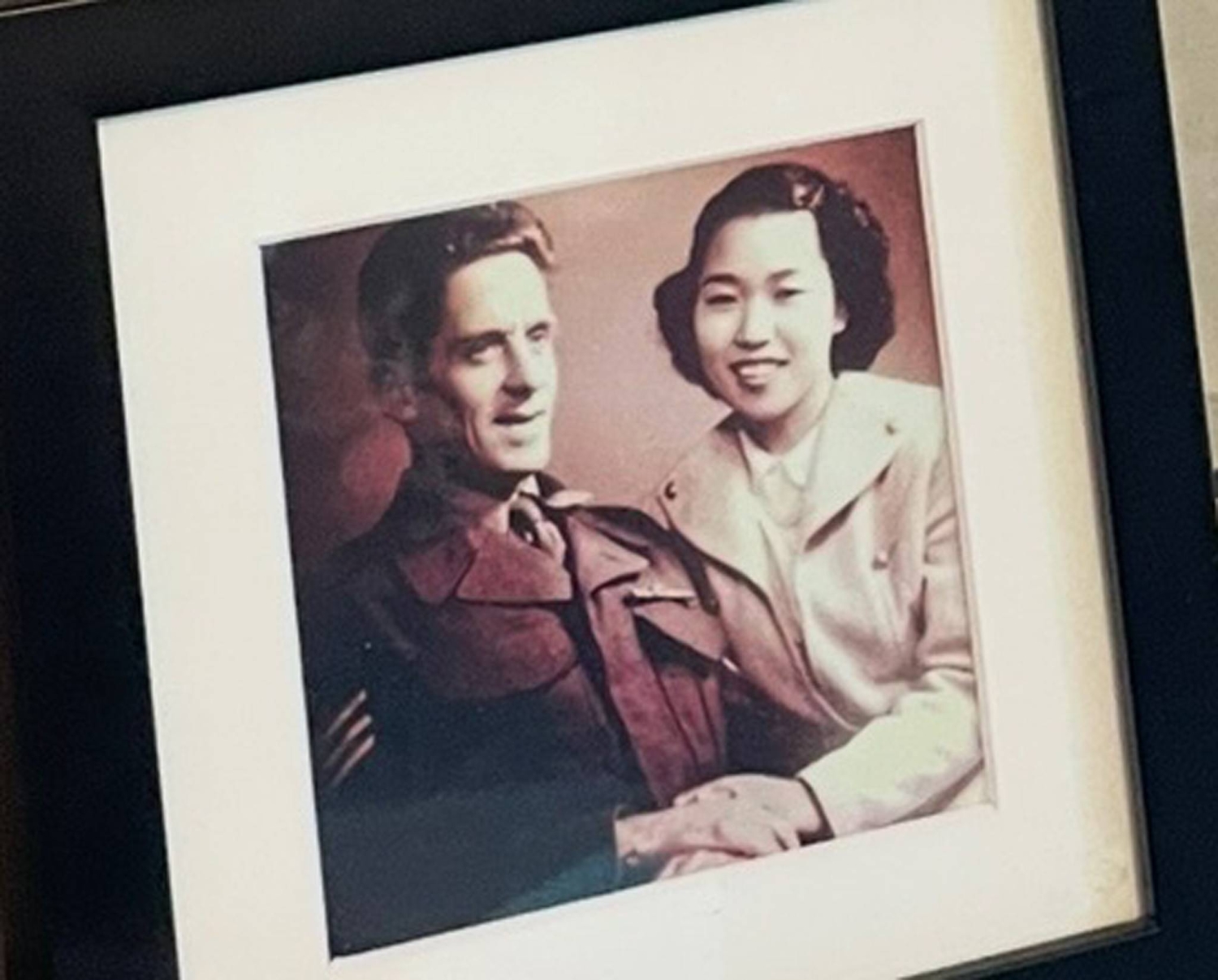
A photograph of Akiko Kirkham and her husband, Glenn Kirkham, in their younger days | JIJI
JIJI
SHARE/SAVE
Aug 20, 2025
기사를 들어보세요.
4 분
TOWNSVILLE, AUSTRALIA –
Akiko Kirkham was among about 650 Japanese women who migrated to Australia after marrying Australian servicemen from the Allied occupation forces stationed in Japan in the aftermath of World War II.
In Australian society, which favored white people, these brides from a former enemy nation were greeted with icy stares and subjected to discrimination. Some were forced to conceal their Japanese identity simply to make a life in their new country.
Born in 1927 in Osaka Prefecture, Akiko Hirano was working at a munitions factory in Hiroshima Prefecture when the war ended. In the aftermath, she found work as a typist at an Allied occupation facility in Kure, Hiroshima, where she met and later married Glenn Kirkham, an Australian serviceman 18 years her senior. In 1953, after his assignment concluded, she accompanied him to Australia.
At the time, Australia, having emerged from Britain's colonial rule as the Commonwealth of Australia, enforced the White Australia Policy, which restricted non-European immigration. Japanese residents were labeled "enemy aliens," and prejudice persisted.
Determined to "become Australian" through and through, Kirkham adopted the English name "Ailsa" for everyday use and, after eight years, became an Australian citizen.
Her story is shared by her granddaughter, 38-year-old Elysha Rei, who serves as chair of Nikkei Australia. The organization is dedicated to preserving and promoting the heritage of Japanese Australians.
The Kirkhams had four children and lived in locations including Brisbane and Canberra. Memories of the war, especially the 1942 bombing of Darwin by the Imperial Japanese Army, remained vivid for many Australians, and marriages between Australians and Japanese often faced opposition and unease.
Rei says her mother was bullied for her appearance. Determined to fit in, Kirkham avoided speaking Japanese and cooked British-style meals, while her husband resolutely confronted slander and bullying to protect his family. Some isolated Japanese brides, lacking support, died by suicide, according to Rei.

Elysha Rei stands in front of a calligraphy work by her grandmother, Akiko Kirkham, in Brisbane, Australia, on July 26. | JIJI
After her child care responsibilities eased, Kirkham worked as a typist and quietly helped produce Japanese-language textbooks.
In 1973, the Australian government dismantled the White Australia policy and pivoted toward multiculturalism. Kirkham felt "liberated" after two decades of pressure to hide her Japanese identity, Rei explains.
She later worked as a tour interpreter on the Gold Coast, helping to foster exchange between Japan and Australia. She died peacefully in 2022, at the age of 94.
"My grandmother lived her life gratefully and positively. She was a genki (lively and full of vigor) person," Rei recalls.
Rei became an artist after years of watching her grandmother practice calligraphy and ink painting.
While researching the history of Japanese immigration to Australia, she learned that about 4,000 Japanese people were interned and deported during World War II. Many had worked in low-paid jobs such as sugarcane cultivation and pearl diving.
In June and July, Rei held a paper-cut exhibition in Townsville in northeastern Australia — once a hub for immigration — focusing on the lives of those migrants. Using washi traditional Japanese paper, she delicately rendered scenes of perilous pearl diving and other facets of their labor.
Rei is eager to pass these stories on to the next generation.
"I hope people not only learn the history, but also feel it emotionally," she says.
KEYWORDSWWII, Australia-Japan relations, Australia, immigration, discrimination

댓글 없음:
댓글 쓰기