A2 $100 Million. One Sentence. And a Promise to Expose the Untouchables: How Stephen Colbert Set the Entertainment World on Fire
snowlight20314 hours ago013 mins

When Stephen Colbert looked into the camera and declared he would pursue justice for “the woman silenced by power,” it didn’t feel like another television moment. It felt like a line being drawn.
Within hours, the clip had surged past 500 million views across platforms. Social media feeds flooded. Comment sections ignited. Newsrooms scrambled. But the real shock wasn’t just what he said. It was what he did next.
One hundred million dollars — transferred directly to the woman’s family to fund legal action against a circle of high-profile figures long rumored to operate beyond accountability.
In an industry famous for carefully worded statements and damage-control choreography, this was something else entirely. It was blunt. It was cold. It was decisive.
And it may have changed everything.

No Grand Speech. No Tears. Just a Decision.
Television has trained us to expect drama. If someone is about to “take a stand,” we brace for swelling music and carefully paced outrage. That’s not what happened here.
Colbert didn’t shout. He didn’t stretch the moment for applause. He delivered a short, measured statement: the truth must be named. Justice must be pursued. Silence is not neutrality.
Then he moved on.
That restraint may be what made it so powerful. There was no sense of performance — only intent. In an industry where powerful names often disappear behind legal teams and PR shields, he stepped straight into the center of controversy without a visible safety net.
People sensed that. And they responded.
Because when someone with influence chooses risk over comfort, it disrupts the unspoken rules.
The $100 Million Message
Money in Hollywood is often symbolic. Salaries signal status. Budgets signal ambition. Settlements signal avoidance.
But this felt different.

The $100 million wasn’t framed as charity. It wasn’t positioned as reputation repair. It was structured as a tool — a legal engine. A resource designed to ensure that allegations could not be buried under procedural delay or intimidation.
In practical terms, it changes the battlefield. Legal cases that once struggled under financial strain suddenly gain endurance. Investigations that might have stalled can push forward. Experts can be hired. Time can be bought.
In symbolic terms, it sends a sharper message: those who once felt “untouchable” may no longer be beyond reach.
And in an ecosystem built on networks of protection, that is destabilizing.
Why This Hit So Hard
For years, the entertainment industry has walked a tightrope between image and reality. Scandals surface. Apologies are drafted. Careers pause and reemerge. The machine absorbs the shock and keeps running.
But there’s a difference between exposure and confrontation.
Exposure is a headline. Confrontation is action.
What Colbert did was skip the commentary stage and move straight to escalation. He didn’t merely say the system is flawed. He funded a direct challenge to it.
That’s what made audiences stop scrolling.
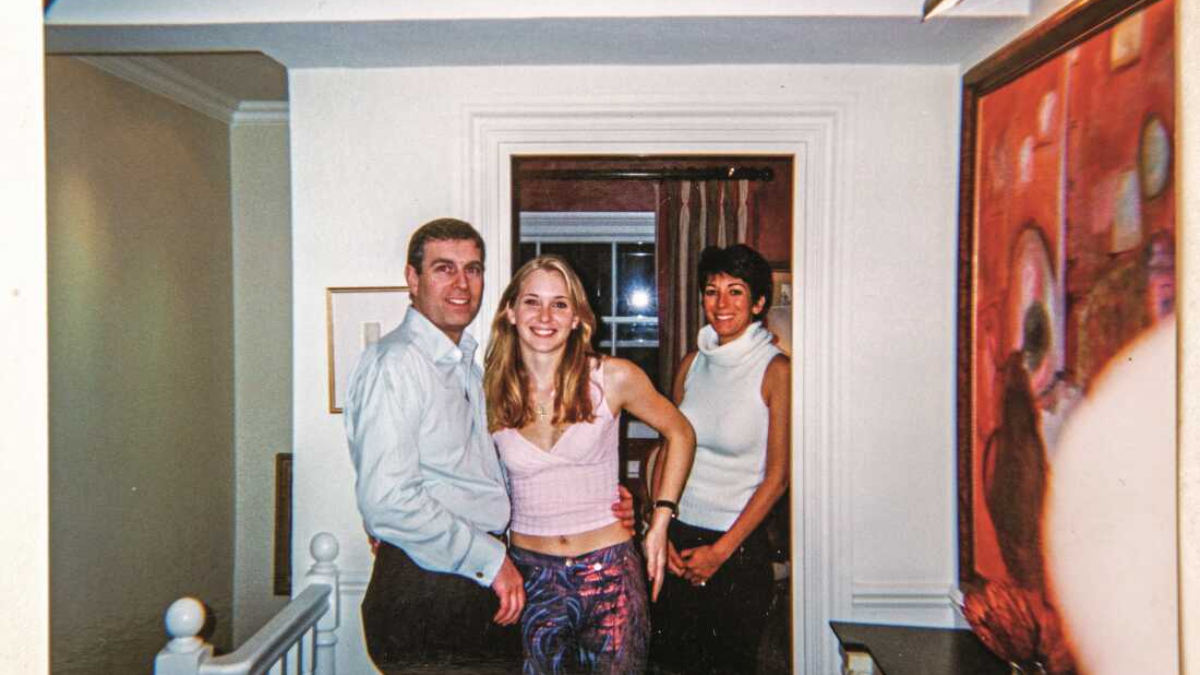)
Because deep down, many people have grown tired of statements without consequences. They’ve watched cycles of outrage fade into routine. This felt less like outrage — and more like strategy.
The Ripple Effect Inside the Industry
Privately, insiders are said to be unsettled.
Not because accusations are new. But because the financial firewall that once shielded powerful circles may have just been breached. When a public figure commits that scale of support to legal pursuit, it alters calculations behind closed doors.
Lawyers reassess risk. Publicists rewrite contingency plans. Executives review their proximity to controversy.
The question spreading through boardrooms isn’t only “Who is involved?” It’s “What happens if this actually reaches court?”
That shift from speculation to possibility is what creates tremors.
A Calculated Risk
It would be naive to pretend this move carries no danger.
Colbert is not a fringe voice. He is an established figure with decades of influence. To take such a public position means inviting scrutiny, backlash, and potential retaliation. It means accepting that every word, every association, every past stance may be reexamined.
But perhaps that is precisely why it matters.
Risk signals sincerity. When someone with something to lose decides the cost of silence is higher, it reframes the conversation.
And that may be the most uncomfortable part for those watching from the sidelines.

Social Media’s Burning Question: Who Comes Next?
Across platforms, one question dominates:
Who will be named?
Speculation is swirling. Threads dissect old interviews. Archived photos resurface. Past rumors are being reexamined through a new lens.
Yet there’s also a deeper, quieter question emerging:
Is this the beginning of an unprecedented reckoning — or just another flashpoint in a short attention cycle?
History shows that public attention is powerful but unpredictable. It can demand change. It can also move on.
The difference often lies in sustained action.
And this time, action has funding.
Beyond Celebrity Drama
It would be easy to reduce this to a headline about celebrity conflict. But that would miss the broader tension.
At its core, this story touches something universal: the imbalance between power and vulnerability. The fear that truth can be suppressed by influence. The suspicion that some people operate above consequence.
When someone publicly challenges that imbalance — not with a tweet, but with a nine-figure commitment — it resonates far beyond entertainment gossip.
It becomes a cultural moment.
Because every industry has its protected names. Every system has its silent corridors. And many people watching see echoes of their own experiences in the phrase “hidden by power.”
That’s why 500 million views weren’t just curiosity clicks. They were emotional reactions.
The Cost of Silence
There’s a reason industries develop habits of quiet resolution. Silence protects stock prices. Silence protects partnerships. Silence protects careers.
But silence also erodes trust.
Over time, audiences grow skeptical. They question whether accountability is selective. They wonder who benefits from discretion.
Colbert’s move confronts that culture directly. It suggests that neutrality can become complicity — and that influence carries responsibility.
That idea is both inspiring and threatening.

Inspiring to those who feel unheard. Threatening to those who rely on controlled narratives.
Is This the Earthquake?
Some commentators are already calling it a seismic shift. Others caution that structural change requires more than a single high-profile intervention.
Both may be right.
Real transformation rarely happens overnight. Systems adapt. Resistance builds. Legal processes move slowly.
But every significant shift begins with a fracture.
And this felt like one.
Not because of spectacle — but because of clarity.
A short statement. A massive transfer of resources. A refusal to dilute the message.
What Happens Now?
The legal path ahead will likely be complex. Investigations take time. Evidence must be tested. Accusations must withstand scrutiny.
But the narrative has already changed.

Powerful figures who once counted on quiet settlements may now consider the possibility of public challenge backed by serious capital. Survivors who feared financial barriers may feel a renewed sense of possibility.
And audiences may begin expecting more than statements.
The entertainment world thrives on storylines. Yet this storyline is not scripted.
It’s unfolding in real time.
The Bigger Question
Long after headlines fade, one question may linger:
When someone with influence chooses to act — decisively, financially, publicly — does it inspire others to follow? Or does it isolate them?
Movements gain momentum when action multiplies. If this remains a singular act, it will still be remembered as bold. If it becomes a catalyst, it could reshape norms.
Either way, the message has been delivered.

One hundred million dollars is not a whisper. It is a declaration.
And in an industry accustomed to carefully managed storms, this one feels less like a passing scandal — and more like the first crack in a long-standing wall.
Whether it becomes an earthquake depends on what happens next.
But one thing is certain: after that sentence, and after that transfer, the idea of “untouchable” no longer feels as solid as it once did.
===

댓글 없음:
댓글 쓰기