2021년 11월 28일 일요일

‘No one would choose to live like this’: the tough reality of living on welfare | SBS: A world of difference | The Guardian

‘No one would choose to live like this’: the tough reality of living on welfare | SBS: A world of difference | The Guardian

‘No one would choose to live like this’: the tough reality of living on welfare
An eye-opening documentary series lays bare the truth of life on the poverty line

Paid for by
About this content

Wed 10 Nov 2021 10.20 AEDT

Australia spends more than $180 billion a year on welfare, but that has to go a long way. As anyone who has subsisted on government support will tell you, trying to make ends meet is tough.

TV presenter, author and cook Julie Goodwin and Greens MP Jenny Leong have discovered the reality of life on the breadline to be far harsher than either of them expected. Along with journalist Caleb Bond, they took part in the upcoming three-part SBS documentary series, Could You Survive on the Breadline?, in which they experienced what life is really like for the millions of Australians who live below the poverty line on welfare. It was an experience that pushed them all far beyond their comfort zones.
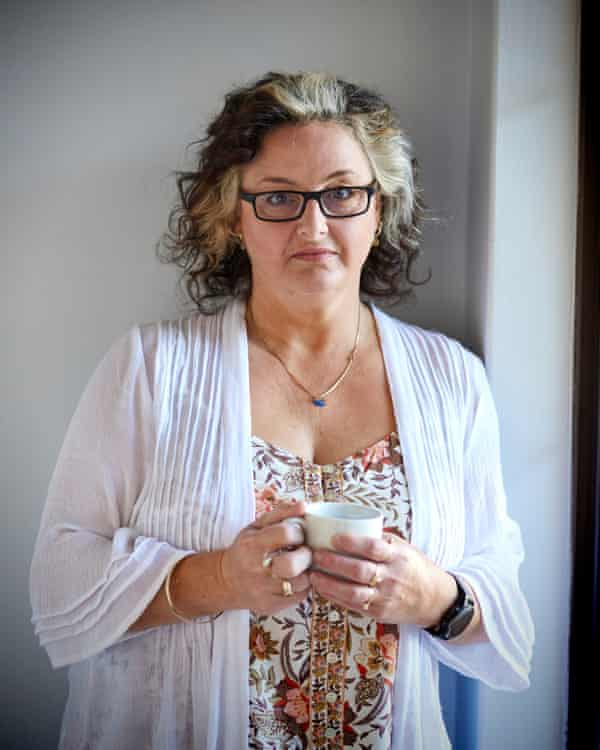


“I found it immensely confronting,” Goodwin says.

“I found it immensely confronting,” Goodwin says.

Goodwin spends her first night on the program in emergency accommodation, leaving her $40 a day to cover all her expenses. She says while some may think that is enough to survive on, thinking about other issues that might crop up added to the stress.

“I was driving a car that had problems with its tyres and in the back of my mind I kept thinking, if something goes wrong with the tyres it will eat into my allowance for the day,” she says. “If I needed to pay for a prescription or if I needed anything, that would all eat into the amount I had to spend.”

Leong, meanwhile, spends her first night with Shenane – a survivor of domestic violence living in public housing. During Leong’s stay police are called to intervene in a domestic violence incident in the neighbouring apartment. Leong worries about how witnessing such altercations is affecting Shenane.

“She is a survivor and a victim of domestic violence and has had her children taken away from her,” Leong says. “She needs to be rehabilitated, and instead of being placed in a safe space she’s put in an environment where she’s triggered multiple times a day by trauma.”

As Leong discovers, it’s not just Shenane who lives in inadequate public housing. The next day she meets Simone, who, with her young son, lives in a house infested with cockroaches and rodents.

“It made me so angry to witness the conditions that Simone was forced to live in with a disability and a small child,” Leong says. “Every point in the system was making it hard for her.”

The black mould in her child’s room meant Simone wouldn’t have him sleep in there. Things had become so bad that Simone was unable to eat inside her house because of pests crawling over the food. “It was devastating to see the circumstances that people were living in,” Leong says.

Bond says taking part in the show was certainly a difficult and eye-opening experience. “I suppose I came with a set of preconceived notions, some of which were cemented and others that were challenged,” he says. “I’d like to think the viewers can go on a similar journey. Some of it is not all that surprising, but much of the reality is beyond words.”

Goodwin, meanwhile, spends time with Debe, who is a full-time carer for her husband, Ron. Debe estimates she puts in more than 120 hours a week caring for Ron, which means she ends up earning just under three dollars an hour.

“I found the whole situation incredibly moving,” Goodwin says after Debe confides she has to rely on Foodbank for her groceries. “It made me really sad. They are a couple that contributed to society and yet here they are, having to rely on charity to eat.”

The access and affordability of food is a major issue that affected both women. Goodwin relies on a $10 barbecue chicken from the supermarket to do her over three dinners, noting that ingredients such as fresh herbs and spices “become items of luxury when you’re in such a situation”.
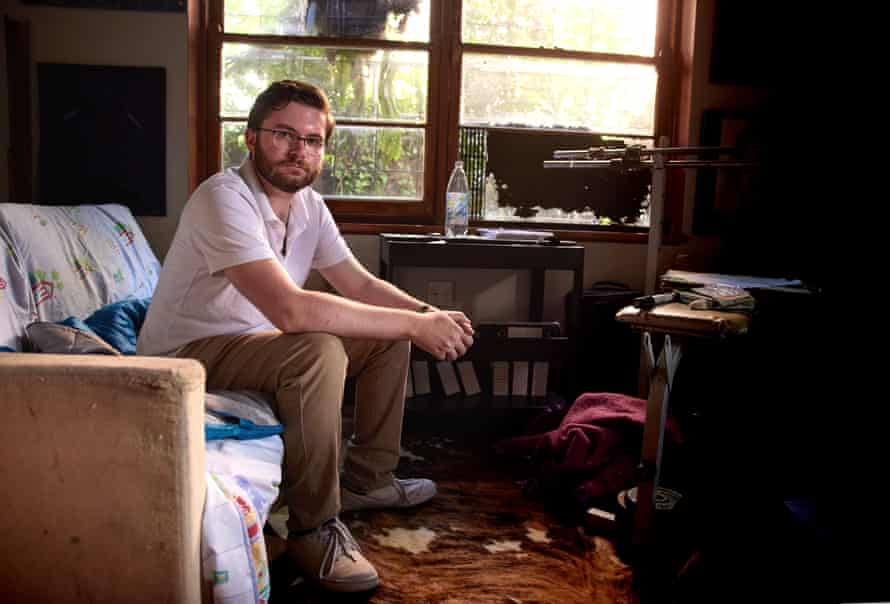


Caleb Bond was shocked that so many people on welfare can’t get the help they need.
Advertisement


Meanwhile, Leong goes a whole day subsisting on a banana. But as she discovers, the problem is not just not having enough to eat, but being unable to sit down for a meal or a drink with someone.

“Food is critical,” Leong says. “But as someone who loves to share a meal and share a drink, being able to invite someone to my home and being able to shout someone a coffee when you’re out … these things disappear. There’s an immediate isolation level because I couldn’t even say to people, let’s sit down and have a coffee, because I couldn’t afford a coffee. I didn’t have any money in my pocket.”

The stark feeling of isolation was something Goodwin experienced as well. “When you’re living in poverty, isolation is a lot more serious than you think,” she says. She mentions how it felt to not be able to have someone come over in a place not fit for visitors, and like Leong, says losing the ability to even have a coffee with someone had a major impact on her.

Leong agrees, saying: “The biggest shock was the sense of isolation and the sense of lack of control and the stress that causes day to day.”

Both believe there is a lot more that can be done for those stuck in the welfare system. For Goodwin it begins with understanding. “We need to have more compassion from the people in power,” she says. “And we need to stop perpetuating an attitude that people getting welfare are bludgers. Not one person was happy to be on welfare.”

Leong has a similar view, saying: “We need to recognise people need more respect and support. The way people are treated is disgraceful. The system needs to change. It should be a system that is generous in its assumptions towards people because they are the most vulnerable people in our community.”

Bond agrees, and was particularly shocked that so many people on welfare are “genuinely struggling and can’t seem to get the help they need”.

Ultimately, all the participants agree that nobody wants to live a life on welfare. Goodwin says: “The decision [whether] to put petrol in your car so you can visit your family or eat a meal is not a choice anyone would want to make.”

Leong says viewers will “see and hear the reality of what life is like for people who have to face the insecurity, uncertainty and stress of not having enough money, or not having a safe, secure and habitable place to live every day”.

Could You Survive on the Breadline? premieres on 17 November at 8.30pm on SBS and SBS On Demand.

2021년 11월 27일 토요일

‘No need for overdevelopment’: Labor, Liberal councillors united in opposition to apartment towers

‘No need for overdevelopment’: Labor, Liberal councillors united in opposition to apartment towers

‘No need for overdevelopment’: Labor, Liberal councillors united in opposition to apartment towers


By Andrew Taylor
November 28, 2021 — 5.00am
===
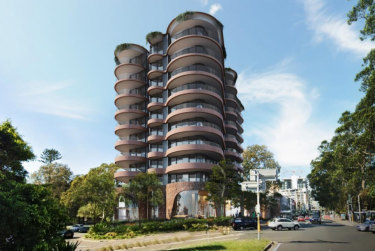
Labor and Liberal councillors have criticised plans to build two 10-storey apartment towers in Bondi Junction, as congestion and overdevelopment loom as flashpoints in council elections next week.

Seventy-three apartments are proposed for the site on Oxford Street, near Centennial Park, which planning documents say will renew the western end of Bondi Junction and create a “key visual marker”.


An artist’s impression of apartment towers proposed for Oxford Street in Bondi Junction.CREDIT:STARGATE PROPERTY

Developer Elia Leis said the $42 million project, which also includes ground-floor retail, would offer a range of apartment types and “will certainly add to the supply of housing stock in the area”.

The issue of housing affordability in Sydney was “more of a macro-policy issue, and we do not feel we can resolve this alone in one housing development project”, he said.

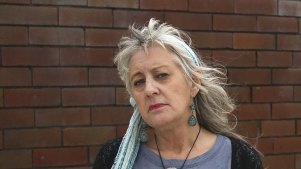
In contrast, Lindi Glass, spokeswoman for community group Save West Bondi Junction, said the apartments in the proposed towers would offer harbour views, but not improve housing affordability in the area.

“They will not be purchased by nurses, firemen or teachers,” she said. “They will not give relief to renters and young people.”

RELATED ARTICLE


Exclusive
Public housing
NSW to lose 3360 affordable homes: See which suburbs get hit the hardest

The apartment complex is being developed by Westgate BJ Pty Ltd, a company whose directors and shareholders are Igal and Elia Leis, according to the Australian Securities and Investments Commission.

Mr Leis said the project included public domain works to improve footpaths, lighting, street trees and the safety of public areas as well as a “public plazette” around an existing mature Norfolk Pine.

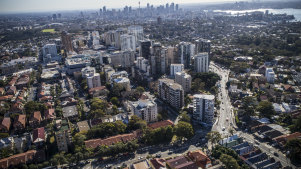
The site is bounded by busy roads and opposite the Waverley Bus Depot, which in the past has been speculated as a target for property development.

Ms Glass said the apartment towers would destroy a local heritage area and overshadow Oxford Street, “creating wind tunnels like the ones further east on the street”.

Ms Glass also criticised the planning process under which changes were made to local planning rules to accommodate the development.

The state government in 2019 approved an increase in maximum height and floor space ratio controls for the site to “support urban renewal”, a Planning Department spokesman said.

More than 570,000 new homes have been approved in NSW in the past decade, with 194,000 more homes planned for delivery by 2026.

“Planning alone can’t solve housing affordability, but we’re driving the biggest reforms to the planning system in decades to unlock more housing supply,” the spokesman said.

RELATED ARTICLE


Sydney councils
‘We are essentially full’: Councillors unite to oppose luxury housing for seniors

Waverley Liberal councillor Angela Burrill said the apartment towers were an overdevelopment and would breach height limits, which were more than doubled to 36 metres over the opposition of residents and the council.

“The site is in a high traffic area and can only increase congestion already experienced locally,” she said.

Cr Burrill said a “huge amount” of apartments had been built in Waverley Council in the past five years, meeting housing targets “so there was no need for the overdevelopment of this site”.

“Certainly residents’ voices, impacts on congestion and density as well as heritage should factor into decisions on increasing heights that allow these large apartment blocks,” she said.

RELATED ARTICLE


Planning
'No regard for design and beauty': Why Bondi Junction is an eyesore

Waverley Labor councillor Paula Masselos said overdevelopment, affordable housing and population growth were major concerns for voters who will elect a new council on December 4.

She said the proposal showed a “total lack of concern” about its negative impacts on the community and “stress it places on already overtaxed infrastructure”.

“Feeder schools have already said they are full and cannot take any more students, while Oxford Street is already gridlocked,” she said.

Cr Masselos said the apartment towers would also undo efforts by local mayors to protect Centennial Park from the impact of private developments.

“This building is visible from the centre of the park, which goes against the charter of the park that promotes views of the sky to the horizon – not high-rise buildings,” she said.

But Mr Leis said the project did not “directly impact” on any neighbouring residents or encroach on the heritage area or Centennial Park.

Mr Leis said Bondi Junction was an established town centre with good public transport links, access to park and beaches as well as shops, schools and medical services.

“The site was presented to us by a local agent who highlighted the merits of the location for residential housing and held the view that this end of Oxford Street was also in need of some revitalisation,” he said.

Save

2021년 11월 21일 일요일

A CHINESE HERITAGE in Tasmania


A CHINESE HERITAGE

5/6/2018

2 Comments


​In November 1909, a young girl by the name of Irene Sing took part in a musical and elocutionary competition. It was Burnie’s fourth musical and elocutionary competition, of which there were 270 entrants, many of whom travelled as far as Zeehan and Launceston.

​Irene came first in the Under 18 Recitation with a humorous dialogue called “Contradiction.” She also came in second in Ladies Recitation and the Recitation (Temperance) Under 18.

Irene was a student at the Tamar College and a member of the Academy of Music under the tutelage of Melbourne actor-elocutionist, A J Hawkins. She was born in Launceston in 1893 to parents, Henry Thom Sing and Bridget Gruby.


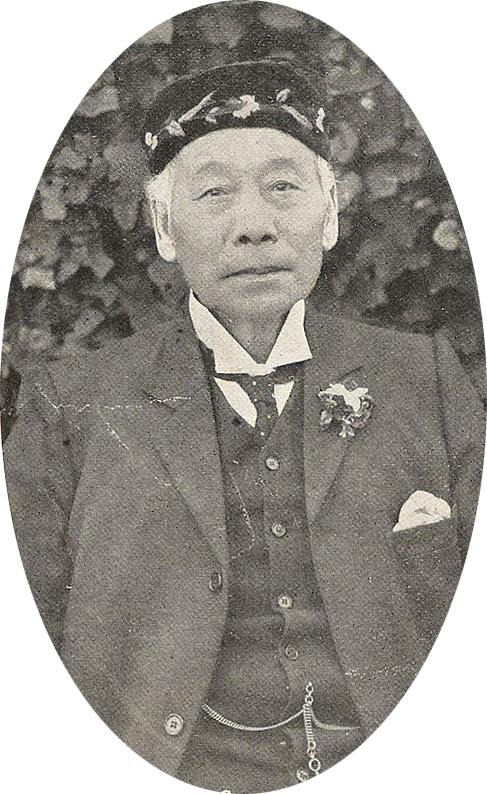
Irene May Sing pictured above and Henry Thom Sing at right


Her father, Sing was a native of China who arrived in Tasmania in 1868. Within a short space of time he became a well respected entrepreneur in Launceston. He was said to have been baptised Henry Tom Sing but preferred to be known as Henry Thom Sing as there were other Tom Sings in the colony. [1]

According to the 1871 census, Sing was just one of a handful of Chinese in the whole of Tasmania. By the 1881 census, there were 844, most of whom were living on the tin fields in the northeast of Tasmania. During the next ten years the number fluctuated around 1,000 and for two decades the Chinese outnumbered the Germans as the largest group of migrants in Tasmania with a non-English speaking background. [2]

Sing was well liked and highly respected, however, from time to time he experienced unwarranted insults. Each time he held his ground and brought charges against the perpetuators. He certainly wasn’t going to take any nonsense lying down.

In 1876, charges were brought against Edward Dalton, who over a long period of time, had been in the habit of kicking Sing’s door each time he passed Sing’s shop going to and from work. Dalton also used offensive language and sometimes challenged Sing to come outside and be punched. The final straw was when Dalton and his three mates came to the door, kicked it and threatened to break the window while shaking their fists. At the police court, Dalton was severely reprimanded and fined one pound and nine shillings.

In another incident in the same year, Sing was assaulted when he went to Elizabeth Buckley’s home to ask her to pay a bill. Not only did she make use of abusive language, she struck him and threw his bag containing goods out into the street. She was also severely fined.

In 1911, Henry Burley was fined 20 shillings or in default 14 days imprisonment after he assaulted Sing on York Street.

Such incidents were not unique as Sing was often called to act as an interpreter in courtrooms where fellow countrymen have also been robbed or assaulted.

In another incident, Sing took offence to an insinuation in a Letter to the Editor of the Daily Telegraph, saying that Chinese tin miners spent all their earnings in opium smoking and general debauchery, which of course was furthest from the truth. Sing wasted no time in formulating a lengthy response in which he berated the author of the said letter. [3]

Sing passed away in 1912. Below are several excerpts from the Daily Telegraph in describing his passing:

​Daily Telegraph 24 May 1912 page 4
Mr Henry Thom Sing, who carried on business as a Chinese merchant in St John Street, died yesterday at the age of 67. Deceased was one of the first Chinese to settle in Launceston, having arrived here from his native country 48 years ago. Amongst his countrymen, especially, deceased was highly respected. For many years he filled the position of interpreter to the Government.

Daily Telegraph 27 May 1912 page 4
The late Mr Henry Whom Sing was one of the best known amongst the Chinese residents in the State. For many years he carried on business of a merchant in Launceston, and was a familiar figure in the city. The removal of the remains of deceased from his late residence in St John Street was witnessed by a large crowd of persons yesterday afternoon. The funeral was lengthy and amongst others who joined in the mournful procession were [quite] a hundred Chinese, several having journeyed from the northeastern mining fields and various parts of the State to pay their last tribute to one who had acted as their adviser and friend.


[1] Naturalisation record (1882). He was also known as Tom Ah Sing.

[2] The Chinese Community, The Companion to Tasmanian History, Centre for Tasmanian Historical Studies

[3] Daily Telegraph 3 August 1887 page 2


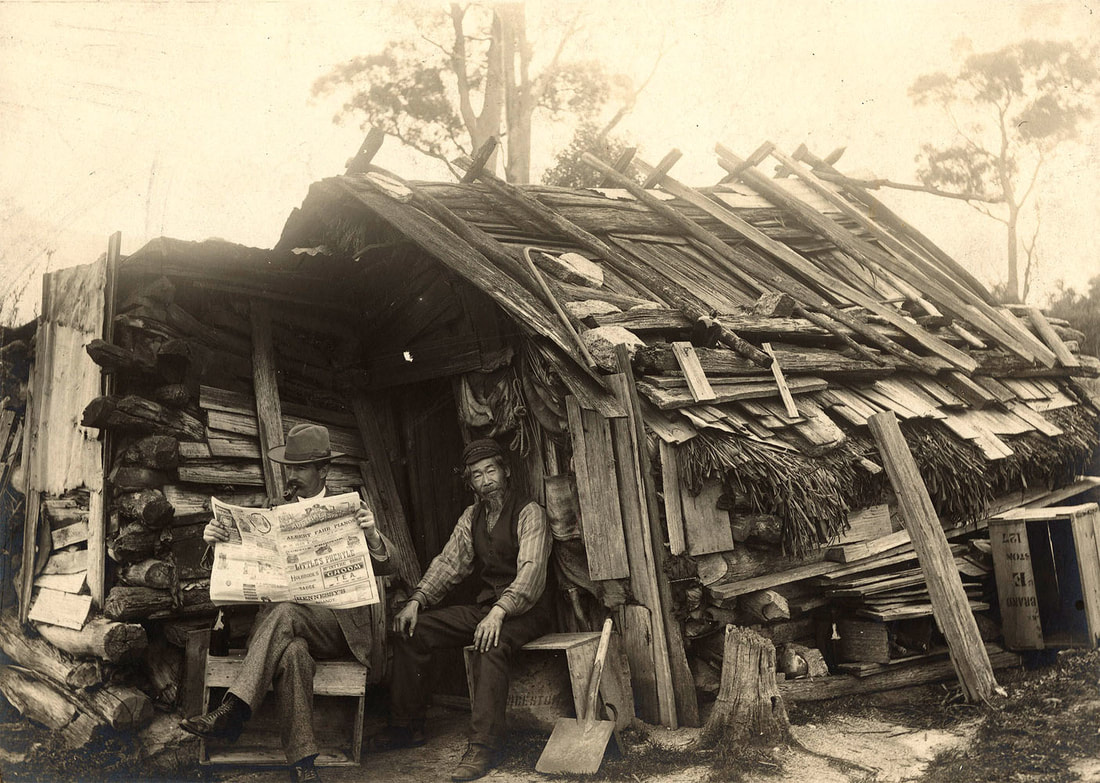
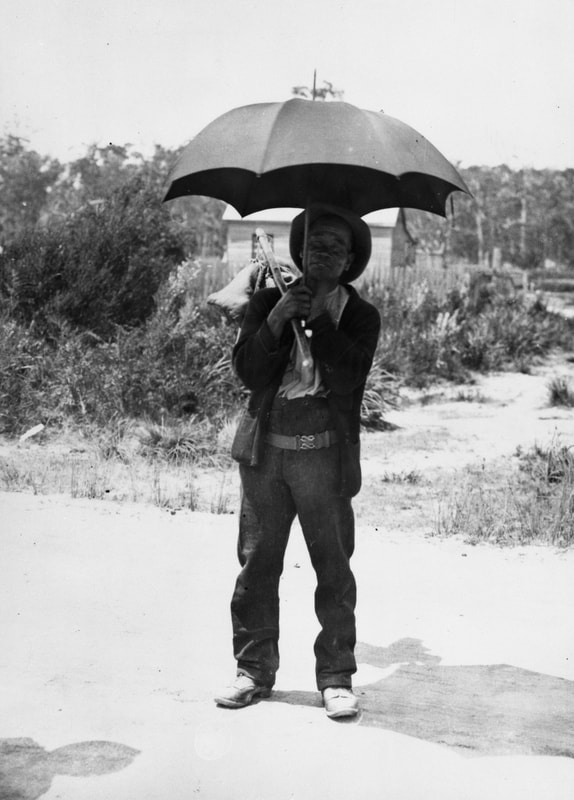
Above: Chinese hut in Northeast Tasmania (TAHO LPIC147/2/181). At right: Chinese tin miner in the northwest (TAHO AB713/1/9921) (date unknown)


2 Comments

Sandra

Paul Keating responds to Peter Hartcher's 'King Canute' column - Pearls and Irritations

Paul Keating responds to Peter Hartcher's 'King Canute' column - Pearls and Irritations

Paul Keating responds to Peter Hartcher’s ‘King Canute’ column
By Paul KeatingNov 17, 2021

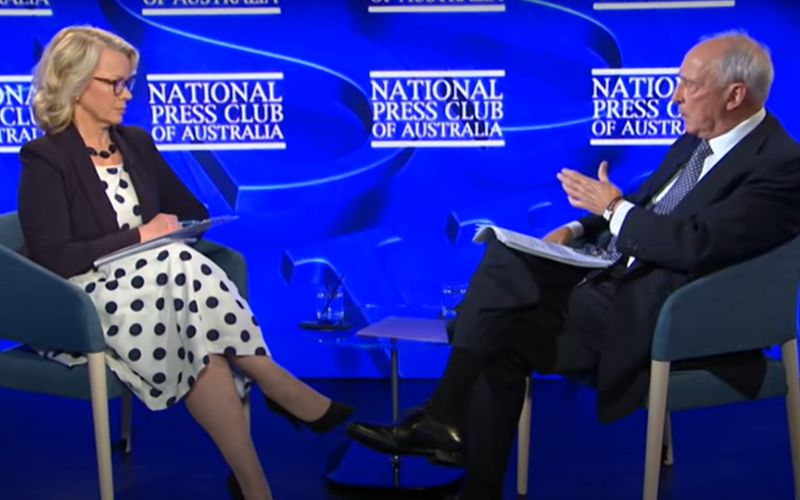
Former prime minister Paul Keating appeared in conversation with the ABC's Laura Tingle at the National Press Club last week. (Image: Supplied)

Peter Hartcher has a lot to answer for, writes Paul Keating in a response to the Nine columnist that did not make it to print.


I should have hoped that after 26 years away from the National Press Club, my appearance there, at the Club’s invitation, would have indicated to Peter Hartcher that I believed the invitation was important to accept — an invitation which had arisen from recent views I had put on Australian foreign policy, including in relation to China.

Instead, in Saturday’s Sydney Morning Herald and Age, Hartcher sought only to disparage what I had had to say including, comparing me to King Canute and in Hartcher’s case, not even understanding the Canute fable.

King Canute was not trying to direct the waves as Hartcher depicts me trying to do and as does the cartoon, rather Canute used the metaphor of his perching on the beach to “let all the world know that the power of the king is empty and worthless save for him, (meaning God) by whose will heaven and the sea obey eternal laws”.

So, right from the get-go, Hartcher mocks the motivation and tone of my speech.

He says, drawing on his misconception of King Canute, that, Canute-like, I gave “orders” to the United States about its geopolitics, that America has to come to a point of accommodation where it acknowledges China’s pre-eminence in East Asia and the Asian mainland.

Of course, I gave no such “order” nor am I in a position to give such an “order”, save to remind the audience that the coldest of America’s Cold War warriors, the implementer under President Jimmy Carter of the Nixon-Mao détente, Zbigniew Brzezinski, had said: “America should tacitly accept the reality of China’s geopolitical pre-eminence on the mainland of Asia, as well as China’s ongoing emergence as the predominant Asian economic power”.


Paul Keating’s speech is a teaching moment in a fraught relationship with China


Apparently, Hartcher thinks I should not have quoted Brzezinski, a statesman of enormous achievement and stature to Australians in respect of China — rather I should have fallen back on the philosophy of our very own internationalist, Peter Hartcher himself. I quoted Brzezinski word for word — Hartcher disparages me for this, claiming I was, in effect, giving the US “orders”.

Hartcher claims that I “won’t acknowledge anything that doesn’t have China in charge”. This is an obnoxious fabrication.

What Hartcher seriously failed to deliver to the readership of the Herald and The Age was what I had said to the Chinese leadership in Beijing in 2013, in the presence of a Chinese vice premier — years before Hartcher and his Nine colleagues hit upon their voluptuous contumely about China.

I had this to say:


“A lot of attention has been given to America’s responsibility to China’s rise — but China too has equal responsibility for creating a new stable and sustainable order in Asia. As it steps up to a larger leadership role it will at the same time need to be willing to accept and respect restraints on the way it uses its immense strength, because the acceptance of such restraints by great powers is the key to any successful and durable international order.”

I then went on to instance two points.

I said, first, and most obviously, “China should continually reaffirm by word and by deed its commitment to repudiate the use or threat of force to settle disputes”. I went on to say, “the work of reassurance is never done, that the stronger China becomes the more it will need to reassure its neighbours and this will depend on deeds more than words”.

Second, “China will do a great deal to help build a continuing stable order in Asia if it quite unambiguously welcomes and supports a continued strong role for the United States in Asia”.

These were tough things to say to an audience of Chinese officials, but I said them in Beijing in 2013. And I repeated those words in my National Press Club address. But Hartcher made certain Sydney Morning Herald and Age readers would hear none of those critical references to the Chinese, because my utterances then, pull the rug from under Hartcher’s principal claim that I believe “Beijing is correct and everyone else should fall back in awe”.

Well, I certainly wasn’t falling back in awe in 2013 and Hartcher should have had the decency to have let Herald and Age readers know what firmly held views I had put to Chinese authorities back then.


Paul Keating on Australia’s national interest, Taiwan, and the absurdity of war


But he did not let them know — he omitted to fully inform them.

Hartcher then misrepresented my longstanding view that Australia should find its security in Asia not from Asia.

He went on to say that the Quad is centred on Asia, notwithstanding that I had said at the Press Club, the Quad’s main failing and certainly in Australia’s terms, was to ignore the centrality of Indonesia and the ASEAN group of countries.

In fact, I used a metaphor — the park seesaw. I said under the Quad, we are focusing on the wobbly ends — India to the extreme west and Japan to the extreme east, rather than on the pivot at the centre, which is Indonesia.

Indonesia is five flying hours from Australia. India is 10, Japan is 15. Our strategic bread is buttered in the Indonesian archipelago which arcs across our northern approaches. And I made the point that relying on India to fight the Chinese in the South China Sea or the western Pacific, would be to rely on a state which will never meet such obligations.

And what’s more, India demonstrated its feckless unreliability over last weekend in pulling the rug from under COP26, weakening the communique by refusing to accept the words “phase out” of coal which would otherwise have achieved consensus.

A central point I made in the Press Club address is that the Quad is a joke and will present little value to Australia. Most military strategists agree it has no use as a device to contain China militarily.


What a relief to hear an Australian leader talking sense at last about China


Hartcher makes much of my dismissive response to questions about the so-called “14 demands” China has made of Australia. These — let’s remember — were a list of points of difference in Australian and Chinese policy positions handed by a junior Chinese embassy official to a TV reporter in Canberra last year.

That’s not the way any government in the world has ever conveyed serious policy demands to another one.

Hartcher at least found value in what I had to say about tensions over Taiwan.

I said that Taiwan “is not a vital Australian interest — we have no alliance with Taipei — we do not recognise it as a sovereign state”. That statement was enough to draw out Defence Minister Peter Dutton, to say a day later, that “it would be inconceivable that Australia as a US alliance partner, would not join in military action”.

That is, military action against China by the United States, should it attempt to take Taiwan by force.

Notwithstanding that we have no obligation to defend Taiwan, the hard reality, as many Americans commentators agree, is the Americans would likely lose such a contest and in the event could withdraw from Asia altogether, leaving Australia to face the wrath of the Chinese state and its military to which we had been party in attacking.

America can withdraw from Asia to the safety of its west coast on the other side of the Pacific. But Australia cannot withdraw — it has no place to withdraw to.

This is where years of unprincipled and obsessive writing and misreporting by the Herald and The Age to its readership on China may, in the end, take us.

Peter Hartcher and his mate Uhlmann have a lot to answer for and may in future, have a great deal more to answer for.


(Twitter carried a statement from Paul Keating yesterday that the Sydney Morning Herald and The Age declined to publish this article..John Menadue)

Submarine sideshow: Does Australia even need a military? - Pearls and Irritations

Submarine sideshow: Does Australia even need a military? - Pearls and Irritations


DEFENCE AND SECURITY
Submarine sideshow: Does Australia even need a military?
By Brian MartinNov 21, 2021

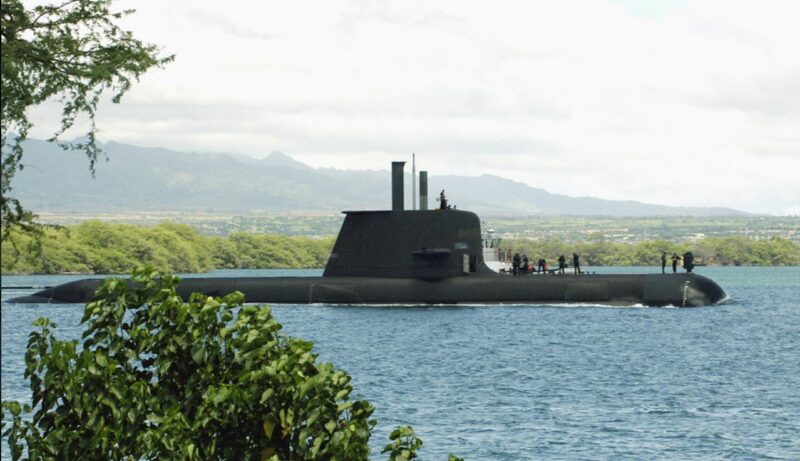
Australian Collins-class submarine HMAS Rankin. (Image: US National Archives)

There are many potential benefits to Australia not having any submarines — it should even consider it needs a military at all.


In the controversy over the cancellation of French-built submarines and ordering of US-built nuclear subs, there is an unspoken assumption: it’s better for Australia to have subs, any subs, than no subs. Why not examine a no-subs option?

In his recent book Ethics, Security, and the War Machine, Ned Dobos points to an even deeper unspoken assumption: that military establishments have more benefits than harms.

Dobos notes that nearly all war-related ethical arguments are about whether to go to war and, if so, how to wage it.

In this preoccupation with the morality of war-making, the possibility of not having a military at all is ignored.

Of countries around the world, Australia is one of the least likely to be invaded. True, there is a small risk. But just because there is a risk of invasion isn’t a sufficient justification for having military forces.

Dobos makes an analogy. Many people would accept that there are some occasions, perhaps very rare, in which torture could be justified, for example to extract information to prevent a ticking time bomb from going off.

But this remote possibility does not justify training people in torture techniques, being on constant alert for opportunities to carry out torture, and building a torture-industrial complex.

Just as there are downsides to preparing to use torture, there are downsides to preparing to go to war. One obvious one is the vast expense involved in human and material resources that could be used for other purposes.

Another downside is that having a military makes Australia a target for aggression.

If Australia had no military, it would pose no threat to other countries, and this would reduce the pressure for an arms race. The irony is that the solution to the danger of being invaded, namely military defence, actually increases the risk.

This is most obvious in relation to nuclear attack.

The US military bases dotted across the country, especially Pine Gap that is part of US nuclear war-fighting capability, make Australia a nuclear target. This risk would not exist without the bases and would be even smaller without a military establishment. Those who think nuclear deterrence makes sense should read David Barash’s book Threats.

Dobos gives special attention to downsides of the military that seldom receive attention. One of them is an increased risk of a military coup. In Australia, this risk is extremely low, but it is not zero. Dobos points to attempted coups in several countries that seemed at very low risk.

Another disadvantage of having a military is skewing the values of the society towards aggression and antagonism, undermining democratic values.

This is not via conscious processes but through the subtle influences of martial values in education and business. Dobos gives the example of Costa Rica which abolished its military in 1948 and has become highly prosperous, with great longevity, while its neighbours have gone through horrific experiences.

Without a military, it would be natural to prioritise building productive relationships with other governments and with other populations.

It would be possible to spend more on fostering human rights and balanced economic development in other countries, creating goodwill and reducing dangers to all.

Without a military, there would still be some danger of invasion.

One option is to develop the capacity for unarmed resistance, a policy that has been called social defence or civilian-based defence. Over the past several decades, people-power movements have toppled numerous authoritarian regimes, for example in the Philippines, Iran, Eastern Europe, Indonesia, Serbia and Tunisia.

The techniques used in such so-called non-violent revolutions can also be used to defend against aggression. This alternative has been studied for decades, but so far no country has adopted it. Australia is in as good a position to explore this option as any place in the world.

The subs are a sideshow. The bigger issue is whether it is worthwhile considering a transition to a society without a military.

2021년 11월 20일 토요일

65세 이상 외국국적동포 국적회복 절차 상세보기|국적주 뉴욕 대한민국 총영사관

65세 이상 외국국적동포 국적회복 절차 상세보기|국적주 뉴욕 대한민국 총영사관

제목65세 이상 외국국적동포 국적회복 절차
작성자주뉴욕총영사관
작성일2021-01-01
첨부165세이상 국적회복 절차.hwp 파일다운로드 65세이상 국적회복 절차.hwp 첨부파일 미리보기


복수국적 취득을 위한 65세 이상 외국국적동포 국적회복 절차


※ 국적상실신고 및 국적회복신청은 한국 출입국관리사무소에서 동시 접수


□ 개 요


○ 2011. 1. 1.부터 만 65세 이상 외국국적동포는 우리나라 영주귀국을 희망하는경우우리나라 국적회복허가” 신청을 통해 복수국적의 취득이 가능하게 되었습니다.

구법에서 외국국적동포가 우리 국적을 회복하면 외국국적을 포기하여야만하였으나신법은 외국국적포기를 대신하여 외국국적불행사서약만 함으로써 복수국적 취득이 가능합니다.


○ 또한 한국 법무부는 2011.7.1.부터 외국인등록(또는 거소신고시점 및 6개월 이상 거주 요건 등을 불문하고 국적회복허가 신청 시점에 만 65세 이상이면복수국적을 허용하기로 하였습니다.

또한 외국인등록이나 재외동포 거소신고를 한 경우 기본적으로 영주할 목적이 있는 것으로 인정키로 하였습니다.


□ 국적회복 절차


(1) 먼저 [국적상실신고를 합니다.

국민이 외국국적을 취득하면 우리나라 국적이 자동 상실합니다.

다만본인이 국적상실 신고를 하지 않으면 가족관계등록부에 국민으로 남아있어 이를 먼저 정리하여야 하는 것입니다.

만일가족관계등록부에 국적상실신고가 되어 있지 않은 사람은 먼저 국적상실신고를 하여야 합니다.


※ 국적상실신고 및 국적회복신청은 한국 출입국관리사무소에서 동시접수


[국적상실 구비서류]


‣ 국적상실신고서(법정양식) 2

‣ 본인의 기본증명서 및 가족관계증명서 각2(한국 내 구청 등에서 발급)

‣ 미국 시민권증서 원본 및 사본 2

미국 시민권과 가족관계등록부 상의 이름이 다른 경우 성명변경증명서 원본 및 사본 2

‣ 최종 한국여권 원본 및 사본 1


(2) 다음으로, [외국국적동포거소신청을 합니다.

- “외국국적동포거소” 제도는 우리나라에 주소를 두고 91일 이상 체류할 목적의 외국국적동포의 편의를 위한 제도로, “65세 이후 우리나라에 영주귀국할 목적으로 우리나라에 입국하였음을 입증하기 위한 절차이기도 합니다.


(3) [국적회복허가신청을 합니다.


상실된 국적을 회복하는 신청으로체류지 관할 출입국관리사무소에서 합니다.

※ 세종로출장소 등 출장소에서는 접수하지 않습니다.

국적회복허가 신청은 대행이 불가능하며신청서 등 서류를 구비하여 반드시 본인이 신청하여야 합니다.


(4) [국적회복허가서]를 받습니다.

법무부장관으로부터 국적회복허가통지문을 허가일로부터 10일이내 거소지주소로 통보받습니다. (등록된 휴대폰 문자메세지로 허가여부가 전송됨)

※ 국적회복허가는 평균 접수일로부터 23개월 소요됩니다.

국적회복허가 통지문을 받으면가까운 시··구청을 방문하여 기본증명서를발급받아 국적회복허가 기재내용의 작성여부와 오류내용을 확인합니다.


(5) [외국국적불행사 서약]을 합니다.

국적회복허가를 신청한 출입국관리사무소를 방문하여 외국국적불행사서약서를 작성하여 제출하여야 합니다.

※ 외국국적불행사서약시 구비서류 기본증명서허가통지서외국국적동포거소신고증사진(3×4cm)1


개정 국적법은 외국국적동포에게 제한적으로 복수국적을 인정하되우리나라에서는 국민으로만 인정함을 분명히 하고 있습니다.


따라서 외국국적불행사 서약을 한 이후에는 입·출국 시 반드시 우리나라여권을 발급받아 사용하여야 하며국내에서 외국인의 지위를 인정받을 수 없습니다.


(6) [주민등록신고]를 합니다.

출입국관리사무소에 외국국적불행사서약서를 작성하여 제출하여 수리되면 외국국적불행사서약확인서를 발급받습니다.

외국국적불행사서약확인서와 기본증명서,사진(3×4cm) 2매를 가지고 거주지··동 주민자치센터를 방문하여 주민등록신고 후 주민등록증을 발급받습니다.

※ 주민등록신고 후 대한민국 여권 발급을 신청합니다.


(7) [외국국적동포거소 신고증]을 반납합니다.

주민등록을 마치고 30일이내 외국국적동포거소 신고증을 출입국관리사무소에반납합니다. (30일이 지나면 과태료가 부과됩니다)

본인이 원할 경우외국국적불행사서약 확인서를 발급받을 때 외국국적동포거소신고증을 미리 반납할 수 있습니다.


□ 국적회복 신청서 및 첨부서류


 신청서

국적회복신청서국적회복진술서신원진술서(2), 가족관계통보서


○ 첨부서류

여권 사본외국국적동포거소증 사본

외국국적취득관련서류(시민권증서 등 원본소지 사본제출)

- “폐쇄된 기본증명서, “국적상실” 표기된 제적등본

성명 변경 시 입증서류


○ 신청 수수료 : 5만원


□ 유의사항


○ 국적회복허가 신청은대행할 수 없습니다.

국적회복은 매우 주요한 개인 신분변동 신청으로 대행을 허용하지 않습니다.


○ 국적회복허가 신청은 개인별로 하여야 합니다.

부부는 반드시 개별적으로 신청하여야 하며남편 또는 아내에 부속하여 신청할 수 없습니다.


○ 복수국적 취득을 위한외국국적불행사서약은 국내에 주소(거소)를 두고 있는상태에서 국적회복허가를 신청한 경우에만가능합니다.

※ 총영사관에서는 접수받지 않습니다.


○ 외국국적불행사서약은 국적회복허가일로부터 1년이내에 해야 합니다.

외국국적불행사 서약 역시 본인이 관할 출입국관리사무소를 방문하여 해야합니다. .

자세한 사항은 한국 법무부(02-500-9252)로 문의하여 주시기 바랍니다.