Latest from
Book Reviews

Shelter by Jung Yun
This acclaimed debut novel deserves all the great attention and accolades it’s received. Both a turn-the-page thriller and a literary investigation of a family’s survival from trauma, both recent and decades old, the writing elevates the story into deeper understandings of the nuances in family relationships and how they seep into every act of living.
All Book Reviews

A Small Revolution, by Jimin Han
In her startling debut novel, Jimin Han captures several genres at once—a terrifying thriller, a coming-of-age story of first love, a historical novel of 1980s Korea and Korean Americans, and a work of literature with an interesting structure and use of point-of-view that only ramps up the tension.

Pachinko, by Min Jin Lee
The accolades for this fine, epic novel are deserved. In her second novel, author Min Jin Lee follows members of a family (and many equally fascinating ancillary characters) from the Japanese Occupation era in Korea, to the Korean diaspora in Japan, up to 1989.

In the Shadow of the Sun, by Anne Sibley O’Brien
It’s been a while since I read a book, YA or adult, that captured me so thoroughly that I didn’t want to stop reading, and that I couldn’t stop thinking about until I finished reading it. IN THE SHADOW OF THE SUN was such a book.

Old Korea: The Land of Morning Calm, by Elizabeth Keith and E.K. Robertson Scott
A 1946 tourism or culture info book for Korea, written and illustrated during the Colonial Period, gives the traditional look (by Westerners) at Korea’s culture and customs.

You For Me For You, by Mia Chung
This acclaimed indie play is about two North Korean sisters who attempt to defect.

Separated @ Birth: A True Love Story of Twin Sisters Reunited, by Anaïs Bordier and Samantha Futerman
A friend of a Korean adoptee finds a photo on Facebook of a girl who could be her double.

Book Review of Matthew Salesses’ “The Hundred Year Flood”
It is a story that is steered in subtle yet powerful ways by the psychological effects of adoption yet flawlessly transcends being pigeonholed into the adoption literature category.

Book Review of Krys Lee’s “Drifting House”
Krys Lee’s lyrical collection of stories resists being summarized and remains memorable after reading. As a poet and fiction writer, Lee is both vibrant and restrained with detail; she neither exaggerates nor depicts sentimental reactions from her characters mired in tragic situations.

Here I Am, by Patti Kim, illustrated by Sonia Sánchez
Vivid illustrations enhance this wordless book, showing a touching story of surprising depth. A recently arrived immigrant boy in an American city feels alienated by the language and all that is new to him.
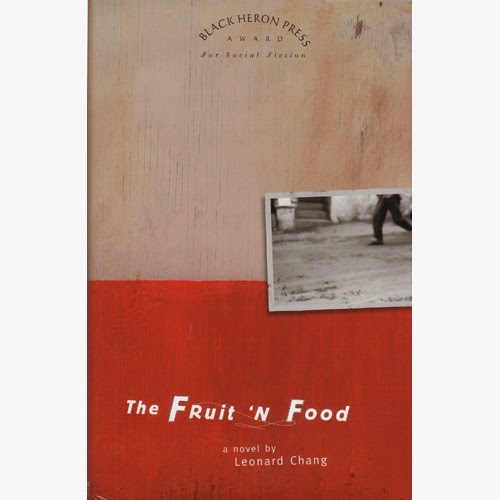
The Fruit ‘n Food, by Leonard Chang
This early KA novel (first published 1996), centered around the Fruit ’n Food grocery, focuses on a somewhat aimless young man who gets involved with the grocer’s daughter.
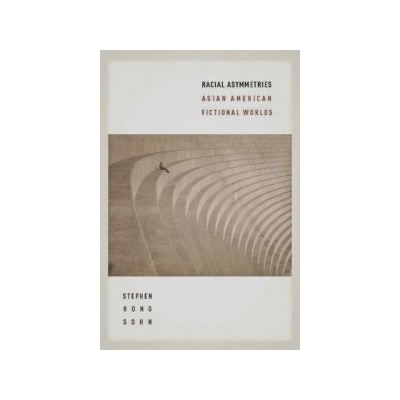
Racial Asymmetries: Asian American Fictional Worlds, by Stephen Sohn
Stephen Hong Sohn has written one of the smartest, analytical books on literature in the past year with Racial Asymmetries: Asian American Fictional Worlds.

Modern Korean Literature, Peter H. Lee
Translations of contemporary (up to 1990) Korean writings include poetry, fiction, essays, and drama, predominantly focus on the difficult, tragic and resilient history of Korea during the twentieth-century.

A Gesture Life by Chang-rae Lee
Rich language describes a Korean-Japanese-American former WWII medic living quietly in Connecticut in a small provincial town.

Native Speaker by Chang-rae Lee
With this 1996 debut novel, Chang-rae Lee entered the pantheon of literary best-sellers. Part mystery, part spy story, part immigrant experience, the story examines the character and identity of Henry Park.

Turn to the East, by Caroline Singer and C. Le Roy Baldridge
As a piece of “living history,” this fascinating large-format volume brings together the narrative of Caroline Singer and artwork of her husband, Roy Baldridge, of their year (likely 1924-25) in the Far East, including Japan, Korea and China.

The Korean Americans, by Brian Lehrer (The Immigrant Experience series)
A middle-grade book that appears to be part of a series on the immigrant experience.
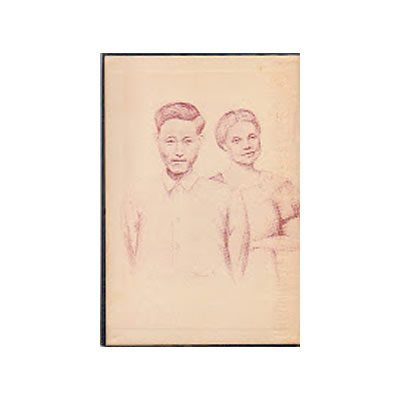
I Married a Korean by Agnes Davis Kim
My family knew Agnes Davis Kim as “Auntie Agnes,” though she wasn’t a blood relative. My Korean parents knew her, perhaps from Korea, perhaps afterwards as immigrants in America, but her book was always on our shelves, and we would visit Auntie Agnes and Uncle David on their farm in the Catskills every summer when I was young.
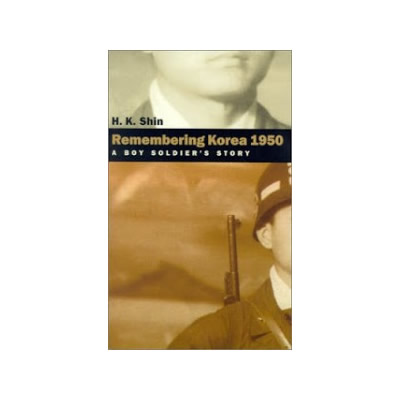
Remembering Korea 1950: A Boy Soldier’s Story by H. K. Shin
This slim volume, a gem, tells Shin’s story of his boyhood and his experience in the Korean War as a sixteen-year-old ROK soldier.
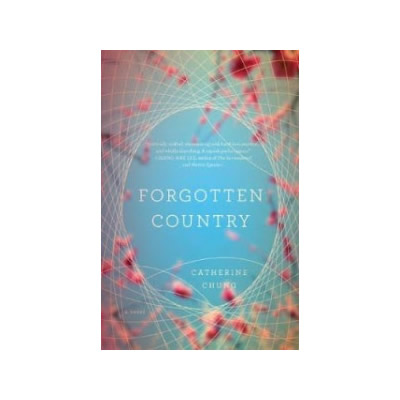
Forgotten Country by Catherine Chung
Catherine Chung’s acclaimed debut novel (a Booklist Starred Review, among other terrific press) earns its accolades with elegant prose and a story of an immigrant family.
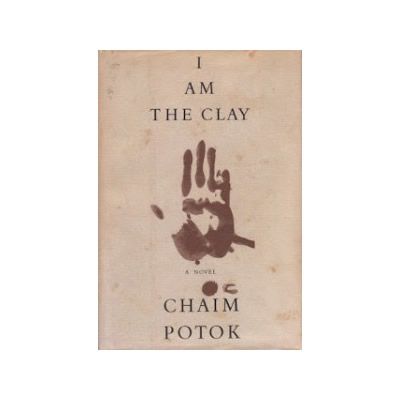
I Am the Clay, Chaim Potok

The Orphan Master’s Son, Adam Johnson
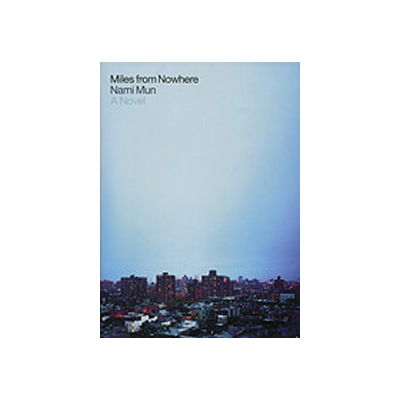
Miles from Nowhere, by Nami Mun
With stunning prose and a sensitive eye for detail, Mun unfolds five years from age 14 in the gritty and difficult life of a young Korean American runaway on the urban streets.
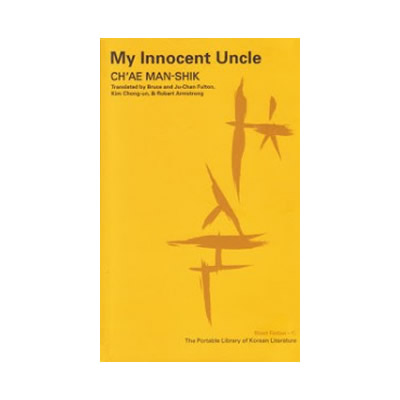
My Innocent Uncle, by Ch’ae Man-sik
Ch’ae Man-shik (or Man-sik), who wrote stories and novels during the colonial period, is considered one of the greats of Korean modern literature. Like his other works, these three stories hone in on individuals who face the dilemmas of their times, those dilemmas of culture and historical circumstance which offer a tragi-comedy of errors.

An Appointment with My Brother, by Yi Mun-Yol
The famed South Korean writer imagines meeting his North Korean brother after the death of his father–a defector to the North in the narrator’s youth (a fact that parallels the author’s life).
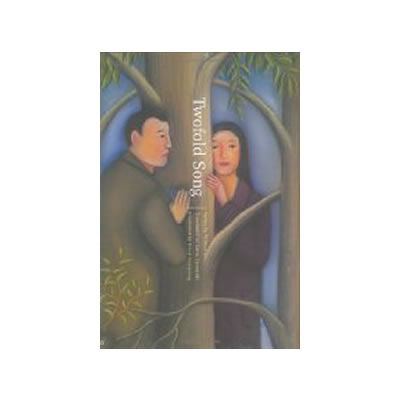
Twofold Song, by Yi Mun-Yol
In a beautifully illustrated and bound bilingual edition, famed writer Yi Mun-yol’s story of the last encounter of an affair presents as allegory of ancients and modern mixed together, with a coda that changes all that primordial prehistoric metaphor into something altogether different.
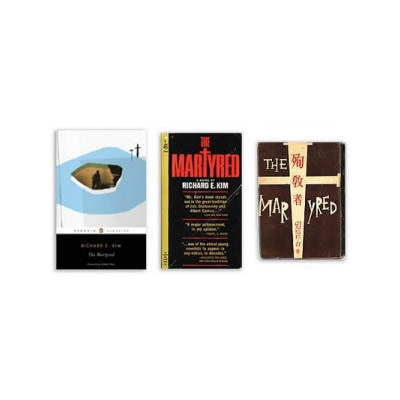
The Martyred by Richard E. Kim
This Korean War story follows Captain Lee who investigates the murders and kidnappings by North Korean Communists of Christian ministers and priests.
KYOPO by Cindy Hwang (CYJO)
The Kyopo project by artist Cindy Hwang is a five-year photography and textual endeavor that explores and exposes the breadth and individual depth of people “of Korean ethnic descent and living outside of Korea,” from which the acronym derives.

Night Sessions, by David Cho
This wonderful book of poems evoked tears, laughter, admiration and wonder.

This Burns My Heart, by Samuel Park
The story explores how a fateful choice colors a decade of marriage, and challenges a young woman’s ambition already constrained by traditional Korean culture.
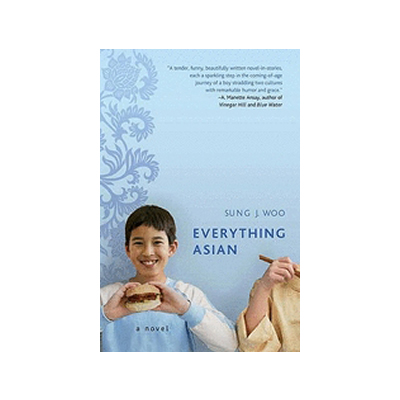
Everything Asian, by Sung J. Woo
The name of the book is taken from the name of the store owned by the parents of the main character, Dae Joon (David). Father has been in America five years without his family setting up a business, and the book begins a month after the arrival of Mother, Dae Joon and his noona (older sister, In Sook–Sue).
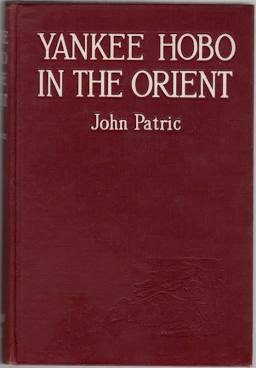
Yankee Hobo in the Orient, by John Patric
An adventurer and recluse, Patric traveled on pennies throughout Japan, China, and Japanese-occupied Korea in the 1930s.
Through Our Eyes: Peace Corps in Korea 1966-1981, by William Harwood
This photograph book, while not a comprehensive collection of the early Peace Corps years in South Korea, includes numerous contributors, most notably Ambassador Kathleen Stephens’ (under President Obama) photographs from the late 1960s.
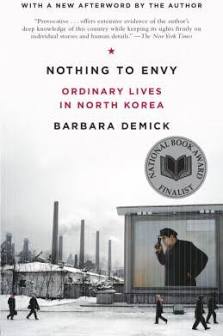
Nothing to Envy: Ordinary Lives in North Korea, by Barbara Demick
One of the few books on North Korea to break into the mainstream reading public, Demick followed 6 people for 15 years of daily living in the oppressive totalitarian culture, who eventually make the difficult choice to defect, despite knowing the repercussions those left behind will suffer.
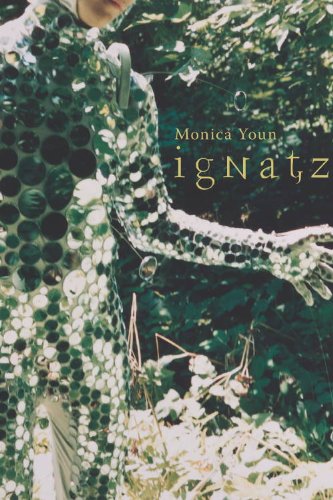
Ignatz, by Monica Youn
Youn’s second book of poems, a National Book Award finalist, investigate the meanderings and trickery of love and relationships, of belief and understanding/misunderstanding, of legend and how belief sustains and fools us, and with spare yet significant language.
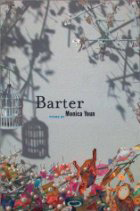
Barter, by Monica Youn
A debut collection of poems that are both lyrical and at the same time disturbing, the sounds rhythmic and sensory, the images brief, fleeting, evocative and immediate.
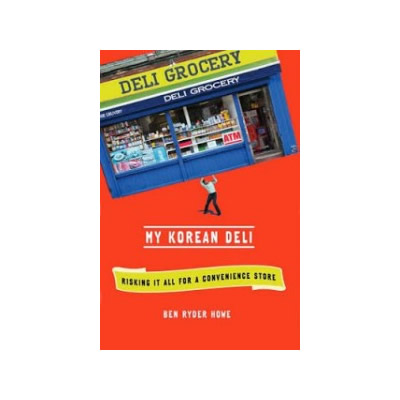
My Korean Deli, by Ben Ryder Howe
Ben, a self-proclaimed WASP, and Gab, his Korean American wife, live in the basement of her family’s house, Korean-style, as the young couple saves money to move into their own home.
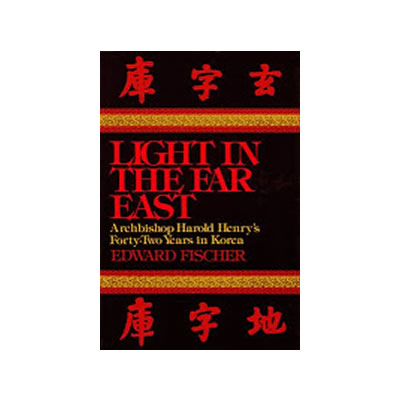
Light in the Far East: Archbishop Harold Henry’s Forty-Two Years in Korea, by Edward Fischer
Catholic Archbishop Harold Henry founded the Columban Mission Society in Korea during the Japanese occupation until WWII, when he (like many Westerners) were deported from Korea.

There a Petal Silently Falls: Three Stories by Ch’oe Yun, translated by Bruce and Ju-Chan Fulton
Elegantly crafted and quietly moving, Ch’oe Yun’s stories are among the most incisive portrayals of the psychological and spiritual reality of post-WWII Korea.
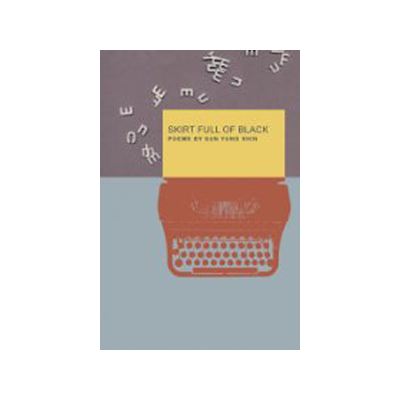
Skirt Full of Black, Poems by Sun Yung Shin
Like the title of the debut collection of poems intimates, the book evokes a woman’s perspective on the rich textures of language, tradition, culture, the manners of the diaspora, sensuality, myth, religion, birth, siblings and family, relational manners, identity, longing and belonging.

The Queens of Ktown by Angela Mi Young Hur
Told from the vantage point of the main character Cora, at age 16 and in her late 20s, the themes of this story are familiar.

Please Look After Mom by Kyung-sook Shin
The story begins, “It’s been one week since Mom went missing.” What follows are narratives of or by each of the family members: two daughters, eldest son (there’s a younger son who isn’t given a voice), husband, and one other voice, beginning with the daughter who is a writer.
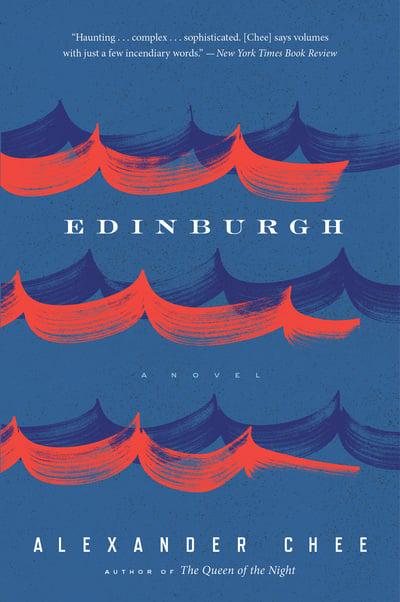
Edinburgh, by Alexander Chee
Edinburgh is a coming-of-age story about a Korean American twelve-year-old in Maine who is immersed in the culture of a boys’ choral group that has a pedophile teacher.
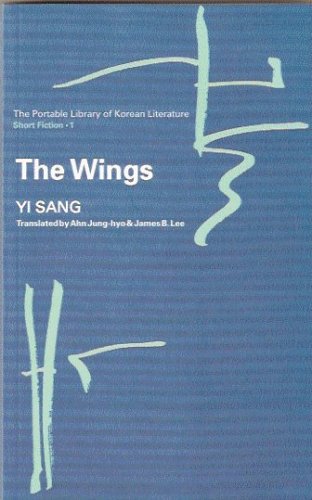
The Wings by Yi Sang
This slender volume of stories is by a famed Korean author from the colonial period, who died at age 27 with TB in Japan.
Long for This World by Sonya Chung
This debut about a young woman grieving from multiple loss and tragedies delves into the lives of all the members of her extended family, and spans two continents (Korea, America) and multiple periods of time.

An Ethnography of the Hermit Kingdom: The J.B. Bernadou Korean Collection 1884-1885, by Chang-su Cho Houchins
John Bernadou (1858-1908) was dispatched by the Smithsonian as a cultural attaché or special envoy to the American mission in Korea, and assembled this collection from March 1884 to April 1885.
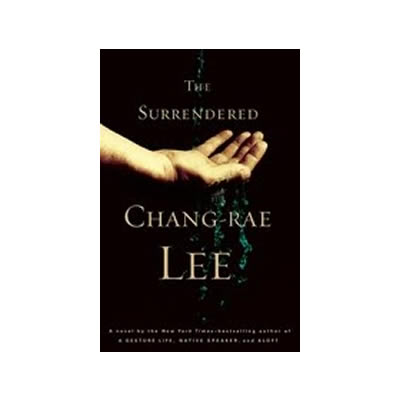
The Surrendered by Chang-rae Lee
What happens to life after you survive the atrocities and randomness of war? Chang-rae Lee examines the deep intricacies of this question and its ramifications in THE SURRENDERED, portraying three survivors (Korean War, China-Japan War) whose lives mesh at an orphanage somewhere in South Korea after liberation.
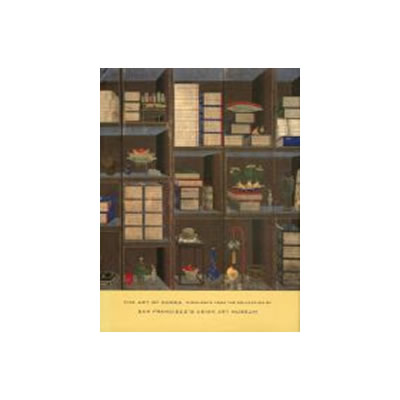
The Art of Korea: Highlights from the Collection of San Francisco’s Art Museum, by Kumja Paik Kim
The San Francisco Asian Art Museum has an exceptional collection of Korean art, extraordinary in breadth of periods, styles, mediums and scholarship.
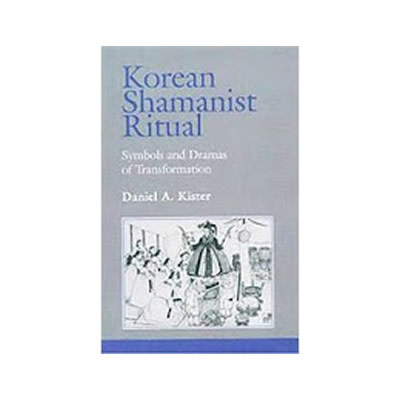
Korean Shamanist Ritual: Symbols and Dramas of Transformation, by Daniel A. Kister
A well-organized study in approachable narrative that investigates Korean shamanism, from the perspective of an author with a background in dramatic arts–a key component of shamanist ritual.

Korean Shamanistic Rituals, by Jung Young Lee
This book (published 1980) is derived from Japanese scholar Takashi Akiba’s research and analysis published in 1950, Field Research on Korean Shamanism.
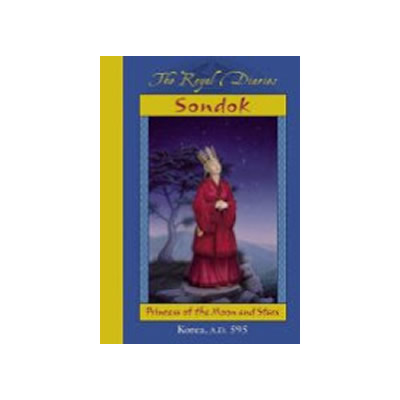
Sondok: Princess of the Moon and Stars, by Sheri Holman
(Young Adult) The coming-of-age fiction, told in diary form, explores the life of Korean Princess Sondok (595 AD) during the Three Kingdom period of ancient Korea before she became the first reigning queen of Silla in 632 AD.

To Swim Across the World, by Ginger Park
A fictionalized biography of the lives of the parents of authors Frances and Ginger Park.
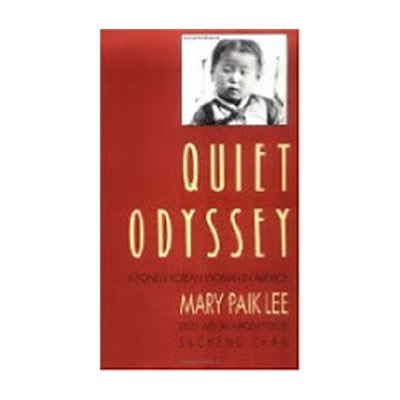
Quiet Odyssey: A Pioneer Korean Woman in America, by Mary Paik Lee
Born in 1900, Lee’s aristocratic Christian family fled Korea in 1905, fearful of the plight of their famiy with Japan’s growing political influence and imminent colonial takeover.

Under the Black Umbrella: Voices from Colonial Korea, 1910-1945, by Hildi Kang
A memorable collection of essays, letters and narratives by citizens who lived through the Japanese occupation of Korea.
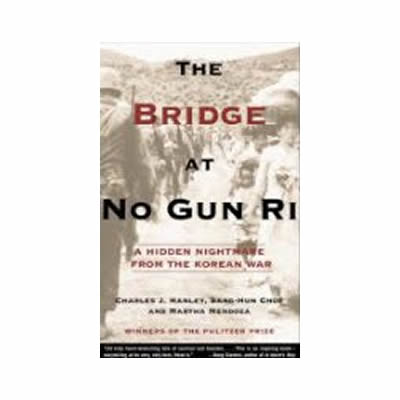
The Bridge at No Gun Ri: A Hidden Nightmare from the Korean War, by Charles J. Hanley, et al
An examination of the U.S. massacre of Korean civilians on this bridge during the Korean War, an incident uncovered in 2001 by investigative reporters Hanley, Choe and Mendoza, who won the Pulitzer Prize for this work.
Aunt Jean, by Jeannette Walter
A 1969 family biography of a Korean missionary.
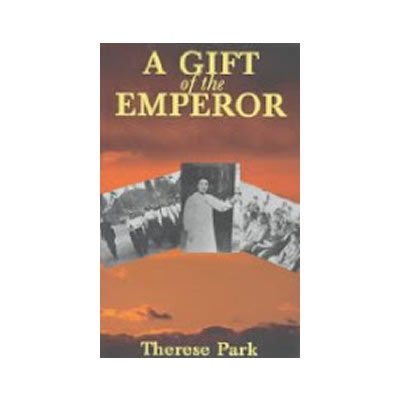
A Gift of the Emperor, by Therese S. Park
A 17-year old girl is kidnapped to become a comfort women.

The Comfort Women: Japan’s Brutal Regime of Enforced Prostitution in the Second World War, by George L. Hicks
An important history book, organized with clarity, without judgment, but with attempts to understand Japanese ethos and motivations that bred this atrocity.
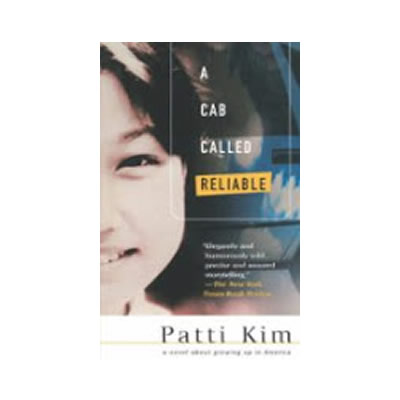
A Cab Called Reliable, by Patti Kim
Sensitive coming-of-age novel of a Korean American girl in a divorced immigrant family setting with alcoholic father, submerged mother.

East Goes West: The Making of an Oriental Yankee, by Younghill Kang
This literary autobiographical novel chronicles an immigrant’s experience of America in the 20s through the war years, in New York City.
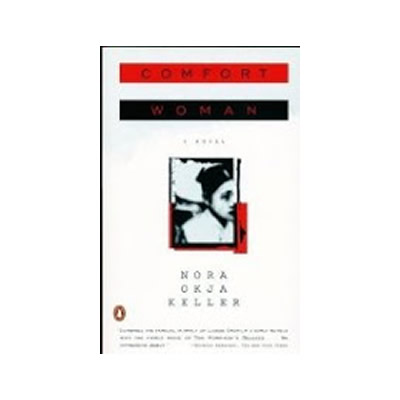
Comfort Woman, by Nora Okja Keller
A mother’s mental illness rooted in a tortured past as a comfort woman is discovered by her daughter through interesting use of alternating chapters of voices past/present, real and ghost.

Yi Kwang-su and Modern Korean Literature: Mujong, by Ann Sung-hi Lee
Yi Kwang-su is considered among the first major modern Korean novelists, with his book Mujong, published in 1917 during the Japanese occupation.
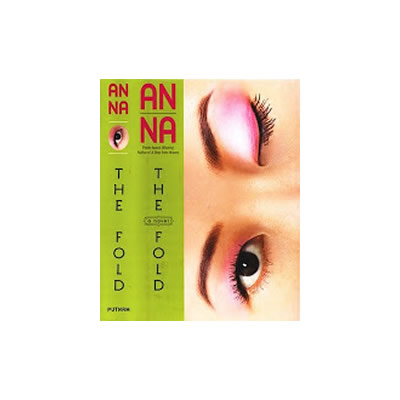
The Fold, by An Na
Na’s second novel (YA) addresses the notions about Asian beauty and the prevalent eye surgery that make Asian eyes “more Western.”

YELL-Oh Girls! Emerging Voices Explore Culture, Identity, and Growing Up Asian American, by Vickie Nam
An anthology of stories, poems, essays and letters by young (ages 15-22) Asian-American women who write about coming of age, identity, sexuality, stereotypes, school, culture, isolation and interracial dating.
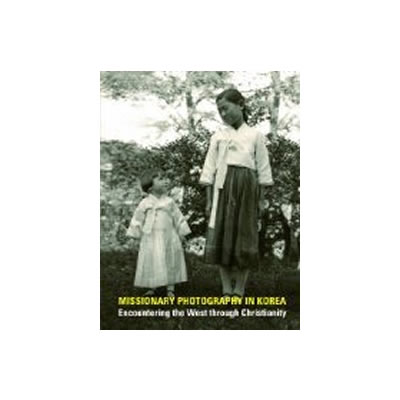
Missionary Photography in Korea: Encountering the West through Christianity, by Donald N. Clark
A 2009 exhibition by the Korea Society in New York of missionary photography from the late 19th century reveals a period of change in the previously isolated nation.

Samguk Yusa: Legends and History of the Three Kingdoms of Ancient Korea, by Ilyon
This 13th century historical classic, written by a monk, merges myths and folktales into the ancient history of Korea.
Echoing Song: Contemporary Korean Women Poets, by Peter H. Lee
Scholar and translator Peter Lee anthologizes contemporary Korean women poets whose work received acclaim in the latter part of the 20th century.

Everlasting Flower: A History of Korea, by Keith Pratt
Published in 2006, this history of Korea provides a broad perspective on the traditions, culture, ancient foundations and recent divide of the peninsula.

A Ricepaper Airplane, by Gary Pak
From a hospital bed a dying man unfolds the tale of an arduous life on the fringes of a Hawai’i sugar plantation in the 1920s.
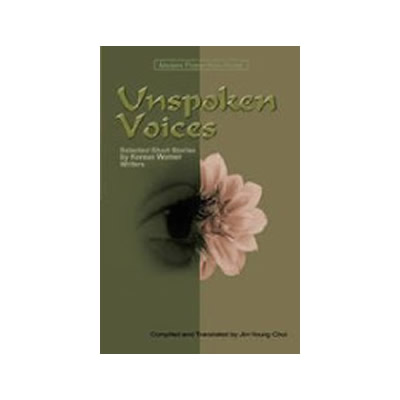
Unspoken Voices: Selected Short Stories by Korean Women Writers, by Jin-Young Choi
An important anthology of stories (in translation) by twelve women writers, divided by those who lived through the Japanese Occupation and those who experienced the Korean War.
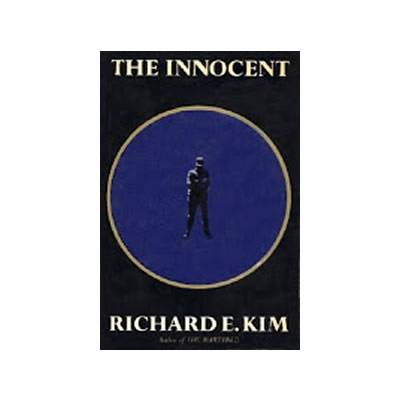
The Innocent, by Richard E. Kim
The author of The Martyred and Lost Names explores the politics of postwar Korea in this semi-autobiographical novel.
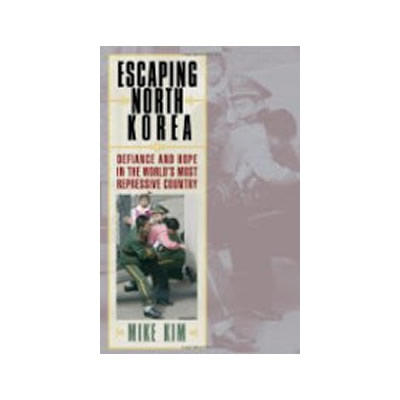
Escaping North Korea: Defiance and Hope in the World’s Most Repressive Country, by Mike Kim
The first of its kind, this book provides a rare and unique inside look into the hidden world of ordinary North Koreans.
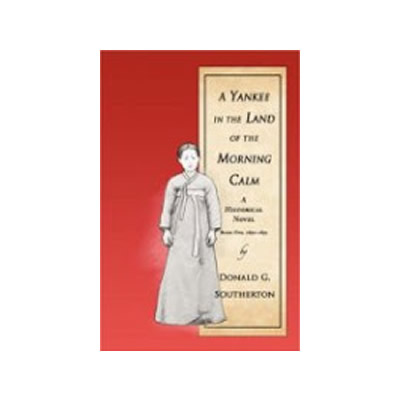
A Yankee in the Land of the Morning Calm, by Donald G. Southerton
A young adult historical novel follows the “Connecticut Yankee,” Josh Gillet, to late 19th century Korea, a period when Americans begin to receive trade concessions and as a result begin to influence the deeply traditional agrarian culture of the cloistered nation.
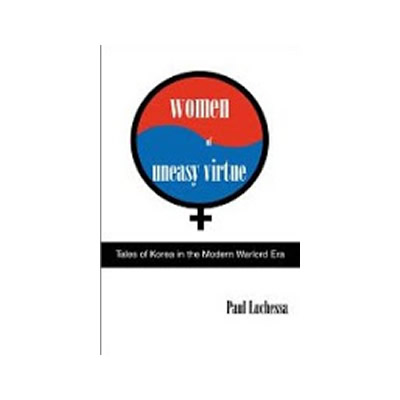
Women of Uneasy Virtue, by Paul Luchessa
East meets West on intimate terms in this striking series of sketches and stories about modern Korean women, most of them involved with western men.
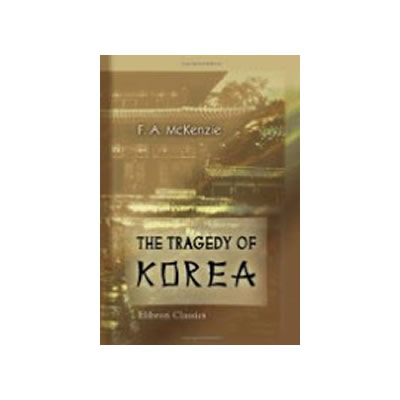
The Tragedy of Korea, by F. A. McKenzie
Written in 1907, McKenzie’s socio-political memoir covers the period in Korea during the Russo-Japanese War, when the seeds of Japan’s interest and ultimate occupation of the peninsula were planted, with the assistance of the international community.

I Have the Right to Destroy Myself, by Young-ha Kim
In the fast-paced, high-urban landscape of Seoul, C and K are brothers who have fallen in love with the same woman—Se-yeon—who tears at both of them as they all try desperately to find real connection in an atomized world.
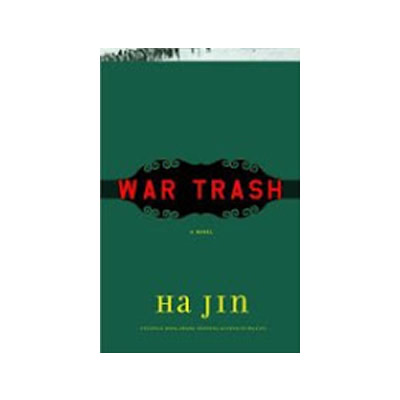
War Trash, by Ha Jin
A novel by National Book Award winner Ha Jin (Waiting) follows a Chinese American soldier POW imprisoned in Korea during the Korean War.
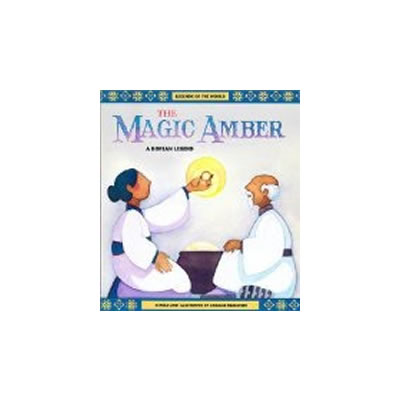
Magic Amber, by James M. Reasoner
In this Korean folk legend (for youth ages 7-10), a generous and kind elderly farming couple triumph over their cruel and greedy landlord with an enchanted stone that makes rice.

Korea: The Search for Sovereignty, by Geoff Simons
This book gives a broad history of Korea, with a particular focus on key 20th century events. Particular attention is given to the dispute over North Korea’s controversial nuclear development program.

Korean Landscape Painting: Continuity and Innovation through the Ages, by Song-mi Yi
A dense narrative gives a solid overview of Korean painting.
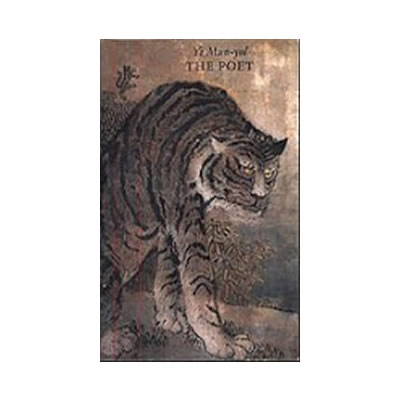
The Poet, by Yi Munyol
Translation of a 1992 novel about a 19th century Korean poet. The first novel by leading South Korean writer Yi Mun-yol to be published in the West in English, this moving, luminous story is based on the life of Kim Pyong-yon (1807-1863), a bamboo-hatted vagabond poet.
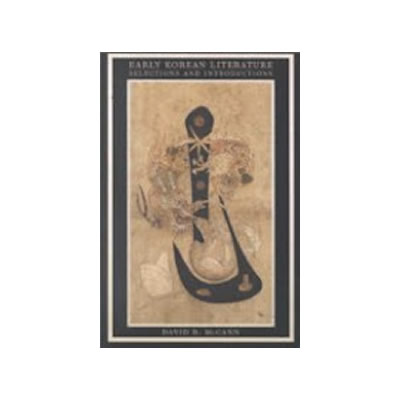
Early Korean Literature, by David McCann
This anthology, published by Columbia University Press, is reviewed by Robert Fouser

September Monkey, by Induk Pahk
Memoir of early immigrant experiences in America and influence of Christian faith in a remarkable woman who rose through difficult cultural mores to become founder/president of Korea’s first vocational school.
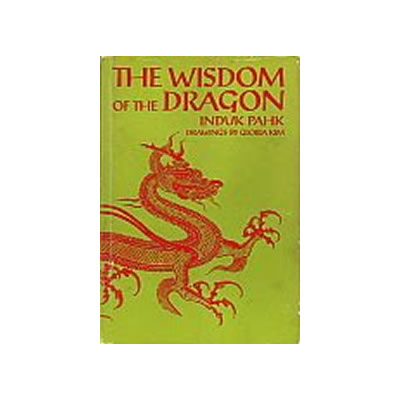
The Wisdom of the Dragon, by Induk Pahk
A lovely illustrated collection of Korean proverbs, including such gems as “There is a flaw even in jade…”.

Jungsoon, by Myosik Park
A fictional account of two women who fight through years of personal and national devastation, from the Japanese occupation through the Korean War, surviving with tenacity.

Land of Exile: Contemporary Korean Fiction, by Marshall R. Pihl
An anthology of 12 post-1945 Korean fiction, in translation, includes brief biographies of each author.

The Korean Way, by W. Ransom Rice Jr.
This slim volume about the history of Korean Christianity and culture provides a surprisingly thorough cultural and historical overview of Korea, including charming signs of the times, such as “modern technologic advances” of the 1970s.

Surfacing Sadness: A Centennial of Korean-American Literature 1903-2003, by Yearn Hong Choi PhD
Poems, essays and stories of Korean American immigrants in the period noted.
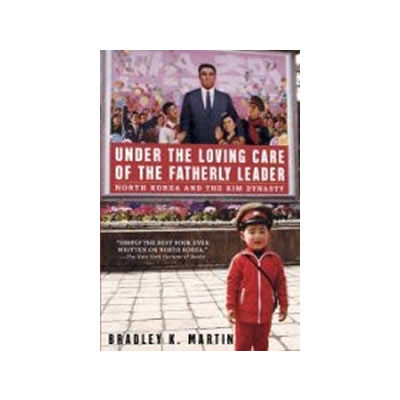
Under the Loving Care of the Fatherly Leader, by Bradley K. Martin
Reviewed by John Derbyshire

The Calligrapher’s Daughter, by Eugenia KIm
Author Anne Sibley O’Brien (The Legend of Hong Kil Dong: The Robin Hood of Korea) says:“I’ve just spent much of the weekend and all of today immersed in The Calligrapher’s Daughter, and it completely captivated me!
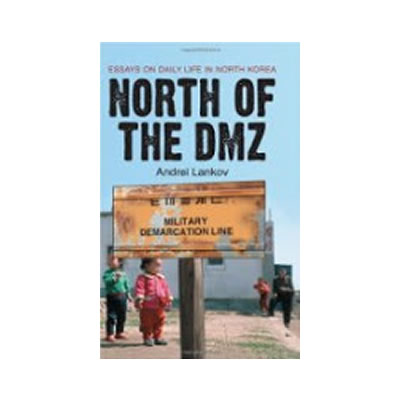
North of the DMZ: Essays on Daily Life in Korea, by Andrei Lankov
The Kim dynasty has ruled North Korea for over 60 years. Most of that period has found the country suffering under mature Stalinism characterized by manipulation, brutality and tight social control.

The History of Korea, by Djun Kil Kim
Greenwood Histories of the Modern Nations–publisher’s description: The Koreas are two of the few countries in the East Asian world to successfully maintain political and cultural independence from China.
The Cock Still Crows, by Induk Pahk
In her second memoir after September Monkey, Mrs.Pahk continues her passion for her faith and for education, and includes inspirational stories about how people helped to “grow” her vocational school in Korea.

Over the Shoulder: A Novel of Intrigue, by Leonard Chang
A hybrid of crime and literary novel that explores issues of honor and family history, Over The Shoulder offers a unique view of the American protagonist and reluctant investigator, shaken from the doldrums of his insulated life.

Han Yong-un & Yi Kwang-Su: Two Pioneers of Modern Korean Literature, by Beongcheon Yu
In this first book-length study of Han Yong-un and Yi Kwang-su in English, Beongcheon Yu seeks to demythify them and reassess their achievements as writers.
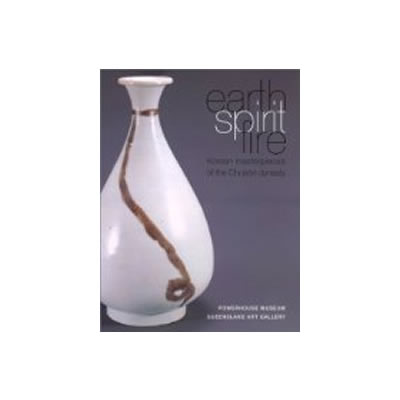
Earth, Spirit, Fire: Korean Masterpieces of the Choson Dynasty, by Powerhouse Museum
A comprehensive exhibition of Korean pottery and ceramics from the 500 years of the Joseon Dynasty.
Syncretism: The Religious Context of Christian Beginnings in Korea, by David Chung
A review by Young-Chang Ro, George Mason University.

Traditional Korean Designs, Madeleine Orban-Szontagh
A Dover pictorial series book of copyright-free black-and-white line art.

Man Sei! The Making of a Korean American, Peter Hyun
Memoir of a twelve-year old boy who witnessed the Korean Independence gathering on March 1, 1919, the first of numerous national demonstrations to protest Japan’s occupation of Korea, that ended in violence and failure, though it ignited nationalistic passions that persist to this day.

Korean Folk and Fairy Tales, Suzanne Crowder Han
A representative sampling of Korean storieswhich have been passed down from generation to generation through spoken and written traditions.

Culture and the State in Late Choson Korea, JaHyun Kim Haboush
Investigating the late sixteenth through the nineteenth century, this work looks at the shifting boundaries between the Choson state and the adherents of Confucianism, Buddhism, Christianity, and popular religions.
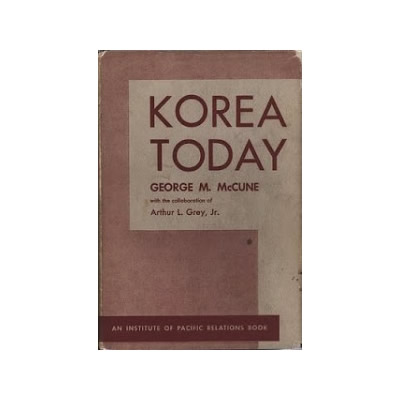
Korea Today by George McCune
A Korea scholar, this book was born out of U.S. involvement in Korea at the end of the Pacific War, and as the tensions with Russia grew along the 38th Parallel.

Burton Holmes Travel Stories: Japan, Korea and Formosa, by Eunice Tietjens
This 1920s series of travel books were targeted to upper elementary grades to “furnish interesting silent-reading material of informational value…devoted to the most interesting and important countries of the world”.

Corea: The Hermit Nation by Wm. Elliot Griffis
Originally published in 1882, this early history of Korea in English by Japanese historian William Elliot Griffis became the dominant text on Korea during a critical period of history when Western interests began to converge on the peninsula.

Jia: A Novel of North Korea by Hyejin Kim
This novel is based on the life of a young woman whom the author met during a one-year stay in China while doing humanitarian work near the North Korean border.

The Guest, by Hwang Sok-yong, translated by Kyung ja Chun and Maya West
This novel, by a famous Korean author who suffered prison as a result of visiting North Korea, was created with the intent of healing fifty-plus years of deep and bloody wounds between North and South Korea that continue to mar an open dialogue between the two nations and even between family members.

This Is Paradise! My North Korean Childhood, by Hyok Kang
Because so little is written from eyewitnesses who have survived the famines of North Korea, this book has its place in informing and revealing the closely held secrets of the DPRK regime.

The Aquariums of PyongYang by Kang Chol-Hwan and Pierre Rigoulot
For ten years in his youth, Kang was a prisoner in Yodok, a North Korean concentration camp geared toward “reeducating” ideological traitors and their families.

Art of the Korean Renaissance: 1400-1600, by the Metropolitan Museum of Art
The lauded exhibition is concise with quality pieces that truly reflect the era.

Everlasting Empire, by Yi In-Hwa
An historical fiction that examines the last years of King Chongjo (r. 1777-1800), the grandson of King Yongjo, and more notably, the son of Crown Prince Sado, who was killed by his father, King Yongjo, who asked him to step into a rice chest and sealed it, whereupon he died of starvation.

The Chinese Mirror, by Mirra Ginsburg
A father in ancient Korea travels to China and brings home something he’s never seen before—a mirror. Children’s picture book.

The Piano Teacher, by Janice Y. K. Lee
Among the highlights of Lee’s debut novel are the two periods the story is told within—early 1950s and the onset of Japan’s occupation in the 1940s—and the wonderful setting of Hong Kong.

Seesaw Girl, by Linda Sue Park
Jade Blossom, being an aristocrat’s child, cannot leave her family compound, until one day she does—to see her sister who recently married. Very young adult.

Korean Adventure: Inside Story of an Army Wife, by Dorothy House Vieman
The diary of the wife of an KMAG (Korean Military Advisory Govt.) Army Colonel who arrived in Seoul on April 29, 1949 and lived there for 14 months until she was evacuated because of the looming Korean War.

Wayfarer: New Fiction by Korean Women, edited and translated by Bruce and Ju-Chan Fulton
A collection of postwar short stories ranging from the 50s to now. All deal with the isolation and stultified domestic place within which South Korean women still struggle for identity, enrichment and meaning.

The Color of Earth, by Kim Dong Wha
This beautifully rendered graphic novel is fairly explicit in telling the coming-of-age story of the protagonist, Ehwa, whose mother runs a tavern.

Century of the Tiger: One Hundred Years of Korean Culture in America 1903-2003, by Jenny Ryun Foster et al
This issue of the Manoa Journal is a centennial celebration of literature of Korean Americans.

Fifteen Years Among the Top-Knots: Life in Korea, by Lillias Underwood
Lillias Horton was a doctor who went to Korea in 1888 as a Christian humanitarian missionary, whereupon she married one of the first Presbyterian missionaries to land in Korea, Horace Underwood. They traveled throughout Korea for fifteen years,and were connected to the Korean court.

The Queen of Tears, by Chris McKinney
After the death of her second husband in Long Island, A famous Korean actress, Soong, travels to Hawaii for her son’s wedding. She moves to the big island and becomes embroiled in her children’s lives.

Trail of Crumbs: Hunger, Love and the Search for Home by Kim Sunée
This isn’t a rare story: that of a Korean adoptee coming of age struggling with feeling less than whole, feeling dissociated, feeling her differences and not fitting in anywhere. What makes this memoir different is the author’s strong prose, a tunnel-like focus on food and the inclusion of recipes

Brother One Cell by Cullen Thomas
An intimately and sensitively written story of 3.6 years imprisonment in South Korea.

The Dream of the Audience: Theresa Hak Kyung Cha (1951-1982), by Constance Lewallen
The catalogue of a retrospective exhibit of Cha’s work, held at a Berkeley gallery contains biographical narratives and interviews with fellow students/artists and teachers who were intimate with her experimental film/art/written language work.

Dictée, by Theresa Hak Kyung Cha
The groundbreaking and ultimately powerful mixed-media prose-poetry work that explores the depths and transcendence of suffering, history, love and survival.

Soldiers in Hiding, by Richard Wiley
A 2006 reissue of a 1987 winner of the PEN/Faulkner Award. In the early 1940s, two Japanese-American youth travel to Tokyo to play music, and then Pearl Harbor prevents their return.
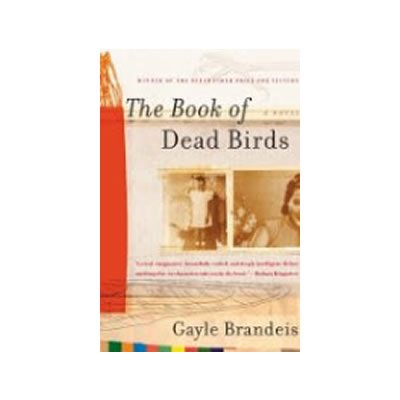
The Book of Dead Birds, by Gayle Brandeis
Winner of Barbara Kingsolver’s Bellwether Prize for Fiction, this novel tells the search-for-identity story of a black Korean American daughter of a former prostitute who worked near a GI base in the mid 1960s postwar Korea.

The Living Reed, by Pearl S. Buck
An epic historical fiction that follows Korean modern history (about 1850s through 1945) through the eyes of the male members of four generations of Kims of Andong.
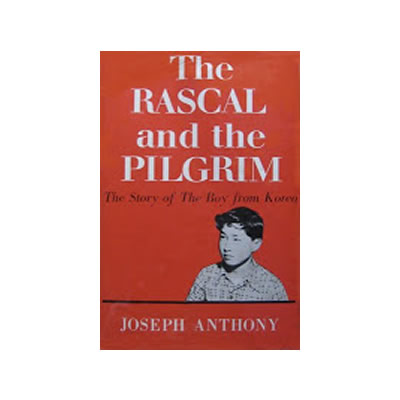
The Rascal and the Pilgrim: The Story of the Boy from Korea, by Anthony Kim
An orphaned boy survives the evacuation of Seoul and the Korean War, eventually immigrates to his dream America, with the sponsorship of several military workers and a Benedictine priest.

The Waves, by Kang Shin-jae
Young-sil is a ten-year-old girl in the village of Wonjin during the Japanese occupation.

Three Generations by Yom Sang-seop, transl. by Yu Young-nan
An epic tale of a family during the Japanese occupation, the story follows the Jo grandfather, father and son in the waning days of the grandfather’s life, detailing the complex inner workings of those three relationships and the many intertwined relationships that they pursue, in the context of life during the occupation.

The Shaman Sorceress by Kim Dong-ni
Translated into English in 2002, this early 20th century story of village life presents a conflict between modernism, exemplified by Christianity, and folk traditions of the mudang (sorceress or priestess) and the ancient shaman beliefs of the country that precede Buddhism.

The Lost Mother, by Iltang (Kim TaeShin)
An important memoir of a famed Korean-Japanese painter, Kim Tae Shin, who eventually became a monk, following the footsteps of his equally famed mother, Ilyeong, who was a poet and feminist during the Japanese occupation.

Postwar Korean Short Stories: An Anthology, edited and translated by Chong-un Kim
This collection of 17 short stories by Korean writers covers the nihilism, inhumanity and hopelessness that marked the decade during and after the divisive Korean War.

Peace Under Heaven by Ch’ae Man-Sik
The story occurs within two days, and is a tragicomedy of greed, ambition, egoism and miserliness of the protagonist, Master Yun, and how his family circle augments and exacerbates those pitiable characteristics.

Somebody’s Daughter by Marie Myung-Ok Lee
Story of an unhappy Korean adoptee from the typical Minnesota Lutheran family. She goes to Korea in search of identity, pursuing a dream of her mother; transposed against the story of her birth mother and how the child came to be adopted.

Gathering of Pearls by Sook Nyul Choi
Concludes the series of three autobiographical fiction books about growing up near Pyeongyang during the Japanese Occupation, through the turmoil of the Russian and American occupations, and flight to South Korea.

Echoes of the White Giraffe by Sook Nyul Choi
Sequel to YEAR OF IMPOSSIBLE GOODBYES, the story follows the narrator (semi-autobiographical story) to South Korea where many trials and tribulations continue to pursue the family in times of hardship and war.

Year of Impossible Goodbyes by Sook Nyul Choi
This series of three young adult novels follow a girl from North Korea following the Japanese occupation, and then during the war years to Pusan, a journey of love and personal independence despite cultural strictures, then immigration to U.S. The book is followed by ECHOES OF THE WHITE GIRAFFE, and GATHERING OF PEARLS.

Korean Residents in Japan: 80-Year History by Sang-hyun Kim
Valuable for its first-person eyewitness viewpoint on prewar issues in Korea and Japan, during the occupation.

The Three Day Promise: A Korean Soldier’s Memoir by Donald K. Chung
Memoir of former North Korean medical student separated by Korean War from his family.

Pyongyang: A Journey in North Korea by Guy Delisle
A journalist experiences and documents modern North Korean culture, when its proponents try to impress their ideology upon him, only to ultimately reveal its wasteful absurdity.

When My Name Was Keoko: A Novel of Korea in WWII by Linda Sue Park
Fictionalized memoir of Korean girl and her brother set toward then end of Japanese occupation, when everyone was required to take a Japanese name.

A Single Shard by Linda Sue Park
Young adult historical novel of 12th century orphan boy who through perseverance becomes a renowned ceramicist.
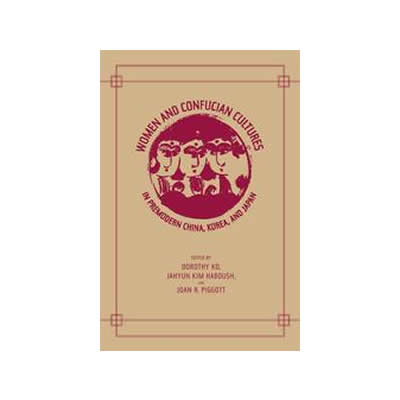
Women and Confucian Cultures by Dorothy Ko, Jahyun Kim Haboush, Joan R. Piggott
This fascinating collection of writings examines the role and culture of women in the Confucian-regulated eras of China, Korea and Japan.

Pioneers of Modern Korea by J. Earnest Fisher
Sketches by the author of Americans and American-educated Koreans who influenced Korean culture and politics in the early 20th century.
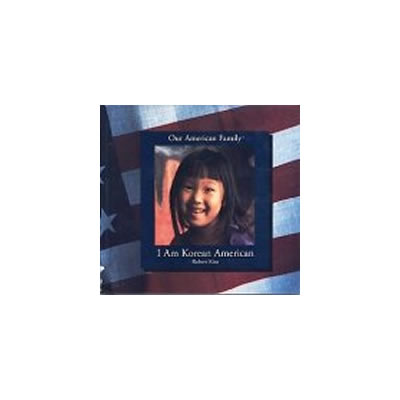
I Am Korean American by Robert Kim
Photographs and a a simple narrative reveal a day in the life of a young Korean American girl.
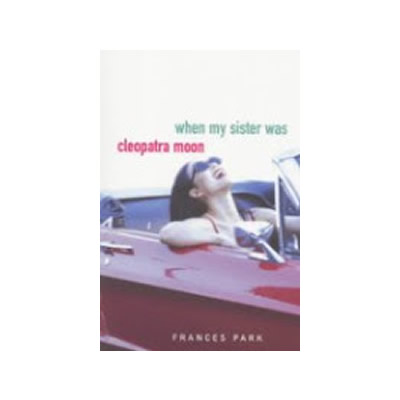
When My Sister Was Cleopatra Moon by Frances Park
This family, comprised of a distant mother, insomniac father, bipolar older sister and new-age main character experiences ongoing situational traumas, racial tyranny and sexual stereotyping.

Treasures from Korea: Art through 5000 Years, by Roderick Whitfield
This British Museum exhibition catalog presents a broad collection of ceramics, gold work, and from the later dynasty, paintings.

Fox Girl by Nora Okja Keller
A young girl discovers that her mother is really her stepmother (who hates her) and is tossed out of house.

The Grass Roof by Younghill Kang
Autobiographical novel of a scholar’s son’s coming of age in small village during the Japanese occupation, though that is felt with some distance.

The Lucky Gourd Shop by Joanna Catherine Scott
This fictionalized story tells the sorrowful story of a simple orphan girl, in postwar Korea (mid-late 1950s) who works in a gourd shop.

A Part of the Ribbon by Ruth S. Hunter
Two martial arts students time travel through Korean history to learn about the origins of their athletic arts. (Young adult)
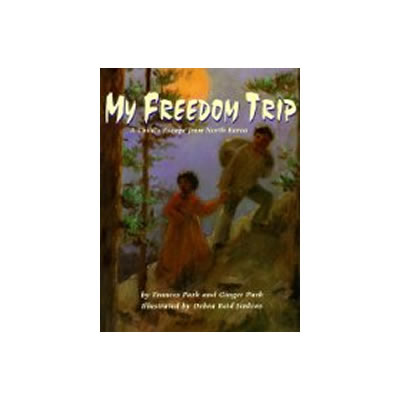
My Freedom Trip: A Child’s Escape from North Korea by Frances and Ginger Park
After the Korean War, a child is sent to South Korea by her mother who hopes to provide her a better life than in the North.
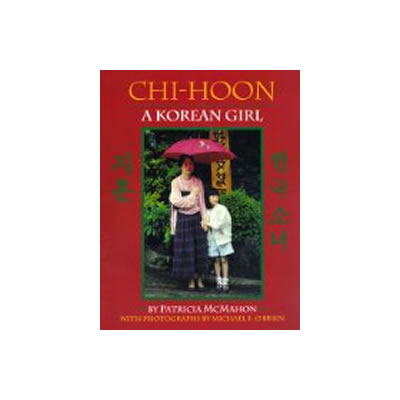
Chi-Hoon: A Korean Girl by Patricia I. McMahon
Photographic essay and narrative of a girl’s daily life in Seoul.
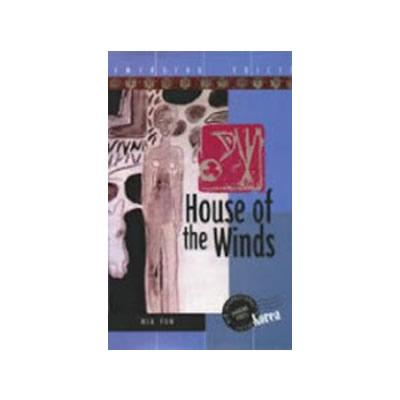
House of the Winds by Mia Yun
Coming-of-age novel in 1960s and 70s postwar Korea, explores mother-daughter relationships of three generations.

Aekyung’s Dream by Min Paek
A small story of a girl who wakes up in America wondering what language the birds are singing in.

Korea’s Place in the Sun: A Modern History by Bruce Cumings
A “modern” history, most of the focus is on the 19th and 20th centuries, and the early section highlights important features of the peninsula’s changes.
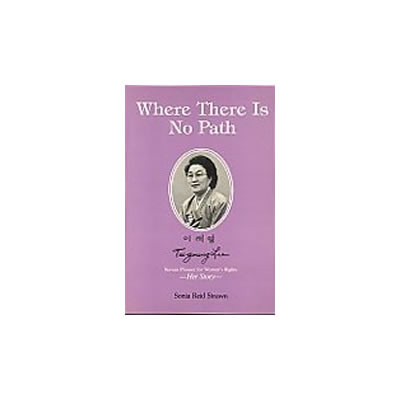
Where There Is No Path: Lee Tai-Young, Her Story by Sonia Reid Strawn
This biography covers the life of a woman born during the Japanese Occupation, in 1914, and follows her Christian journey and groundbreaking experiences.
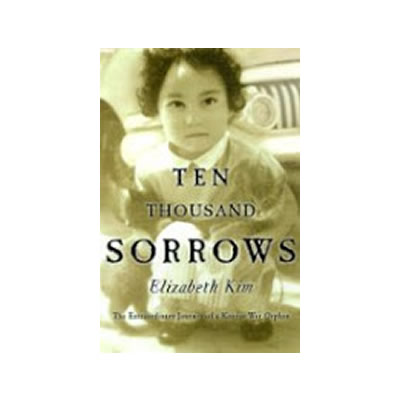
Ten Thousand Sorrows by Elizabeth Kim
A Korean adoptee’s memoir of a horrific childhood and her struggle for identity and belonging.
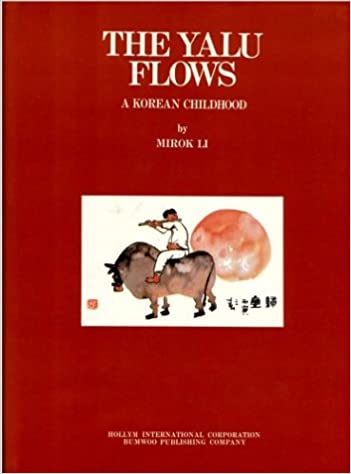
The Yalu Flows by Mirok Lee
A 1900-1920s memoir of changing politics’ effect on the village life of a privileged only boy.

One Thousand Chestnut Trees by Mira Stout
A “mixed breed” artist in NYC finds her roots during a visit home to Korea.

True Stories of the Korean Comfort Women edited by Keith Howard
This compilation of personal narratives tells the story of the women who survived Japanese sexual slavery during the Pacific War.

Clay Walls by Ronyoung (Gloria Hahn) Kim
This early Korean-American novel follows the Chun family and details the small Korean society in Los Angeles from the 1920s thru the 40s, including one visit back to Korea pre-Depression.
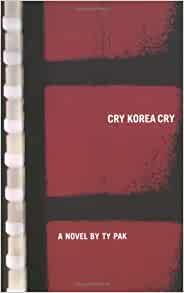
Cry Korea Cry by Ty Pak
A mixed-race orphan full of self-loathing discovers his true roots.

Home Was the Land of the Morning Calm by K. Connie Kang
A historical memoir covering the end of the Japanese Occupation of Korea until the present, through the eyes of a Korean American reporter from a wealthy family.

Lost Names by Richard E. Kim
Describes the life of a Korean boy (the author)south of Pyongyang during the harshest era of the Japanese occupation, 1930-1945.
Chesi’s Story: One Boy’s Long Journey from War to Peace by Link S. White
An early memoir by a Korean adoptee follows a young war orphan popular among GIs who is finally adopted at age 11 by an Air Force sargeant.

Winds of Change: Korean Women in America by Diana Yu
Yu attempts to study the undocumented presence of Korean women from the Ancient Period, 2332 BCE, the social and political history of Korean women during the Japanese Occupation (1910-1945) and the role and culture of Korean and Korean American women today, both in the U.S. and Korea.
Country of Origin by Don Lee
A detective novel that delves into identity issues, setting us in various historical periods via headline news paragraphs.

Introduction to Korean History & Culture, by Andrew C. Nahm
What makes this history book different from the others is Nahm’s exploration of cultural change in light of historical change, including in the arts and traditions.

Encounter by Moo-Sook Hahn
A must-read tour-de-force for anyone with interest in Korean history or literature.
Irma and the Hermit: My Life in Korea by Irma Tennani Materi
Opinionated, condescending, racially and culturally patronizing narrative of life within USMGIK as the wife of a colonel who trained Korean constabulatory, domestic police, then the Coast Guard.
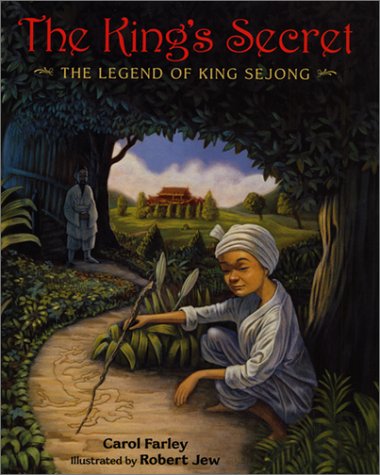
The King’s Secret: The Legend of King Sejong by Carol J. Farley
A fictionalized telling of how the great King Sejong of early Joseon (mid-1400s) set out to create a Korean vernacular alphabet to replace the unwieldy usage of Chinese characters used to write Korean phonetically.

The Search by Bobby F. Griffin
A Korean war vet returns after 21 years to search for the houseboy, a onetime street urchin, he had during the war.
Country of Origin by Don Lee
A detective novel that delves into identity issues, setting us in various historical periods via headline news paragraphs.
Introduction to Korean History & Culture, by Andrew C. Nahm
What makes this history book different from the others is Nahm’s exploration of cultural change in light of historical change, including in the arts and traditions.
Encounter by Moo-Sook Hahn
A must-read tour-de-force for anyone with interest in Korean history or literature.
Irma and the Hermit: My Life in Korea by Irma Tennani Materi
Opinionated, condescending, racially and culturally patronizing narrative of life within USMGIK as the wife of a colonel who trained Korean constabulatory, domestic police, then the Coast Guard.
The King’s Secret: The Legend of King Sejong by Carol J. Farley
A fictionalized telling of how the great King Sejong of early Joseon (mid-1400s) set out to create a Korean vernacular alphabet to replace the unwieldy usage of Chinese characters used to write Korean phonetically.
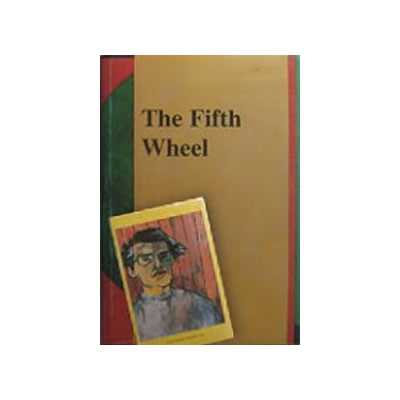
The Fifth Wheel by Soon Chul Lee
Poetry. Sparse, simple language, reminscent of haiku, evokes small moments, glances of nature and movement, that speak to solitude, love, poetry, memory, longing.

Aloft, by Chang-Rae Lee
Lee departs from an Asian protagonist and examines the life of the emotionally bankrupt Italian-American Jerry and the people who surround him.
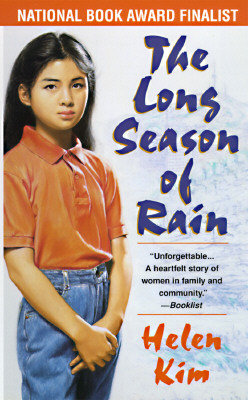
The Long Season of Rain, by Helen Kim
A young adult novel about four daughters in the mid–to-late 1960s in Korea. It is primarily the second daughter’s, Junehee, story of family life and her parents’ complex relationship seen through her eyes.

Songs of the Kisaeng : Courtesan Poetry of the Last Korean Dynasty by Constantine Contogenis
Gisaeng, sometimes called “skilled women,” were courtesans in Korean history. During the Joseon Dynasty (1392-1910) kisaeng were prominent in society due to Confucian influence and a resulting large number of upper class bureaucrats, for whom gisaeng were a regular “perk.”

Echoes Upon Echoes: New Korean American Writings, edited by Elaine H. Kim and Laura Kang
A broad collection organized by age/awareness, focused on identity, family, and the meaning of home and country.

In Full Bloom, Caroline Hwang
Ginger moves to NYC to excape her mother and pursue ambitious magazine career.
Irma and the Hermit: My Life in Korea by Irma Tennani Materi
Opinionated, condescending, racially and culturally patronizing narrative of life within USMGIK as the wife of a colonel who trained Korean constabulatory, domestic police, then the Coast Guard.
The King’s Secret: The Legend of King Sejong by Carol J. Farley
A fictionalized telling of how the great King Sejong of early Joseon (mid-1400s) set out to create a Korean vernacular alphabet to replace the unwieldy usage of Chinese characters used to write Korean phonetically.
The Fifth Wheel by Soon Chul Lee
Poetry. Sparse, simple language, reminscent of haiku, evokes small moments, glances of nature and movement, that speak to solitude, love, poetry, memory, longing.
Aloft, by Chang-Rae Lee
Lee departs from an Asian protagonist and examines the life of the emotionally bankrupt Italian-American Jerry and the people who surround him.
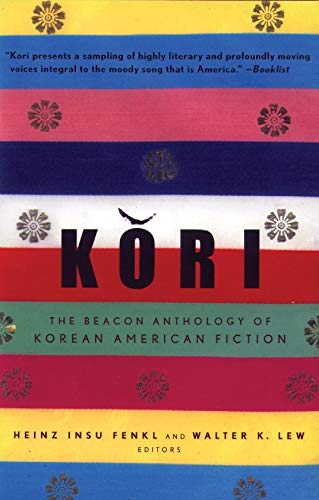
Kori: The Beacon Anthology of Korean American Fiction, by Fenkl and Lew
A broad collection organized by age/awareness, focused on identity, family, and the meaning of home and country.
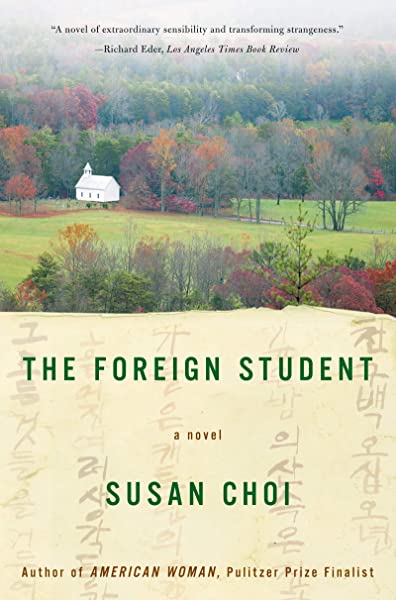
The Foreign Student by Susan Choi
A love story of a rich white girl and Korean boy.

A Person of Interest, by Susan Choi
This tour de force by Pultizer-nominee Choi is an amazing exploration of one man’s psyche and how his unlikable persona makes him an FBI person of interest in a bombing case, similar to the Unabomber.

The Memoirs of Lady Hyegyong: The Autobiographical Writings of a Crown Princess of Eighteenth-Century Korea transl and annot by JaHyun Kim Haboush
Beyond the scholarly merit and historical significance of this book, the story is hugely compelling, not merely for the facts of the chilling event, but for several other reasons.
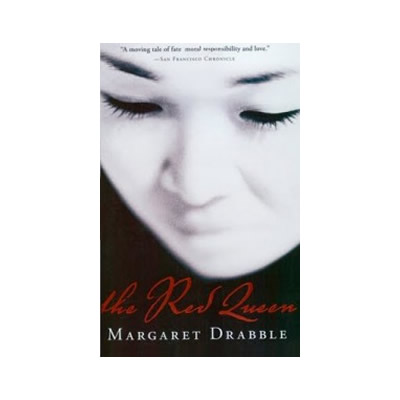
The Red Queen, by Margaret Drabble
Hopefully this book would spur interested readers on to the original MEMOIRS.
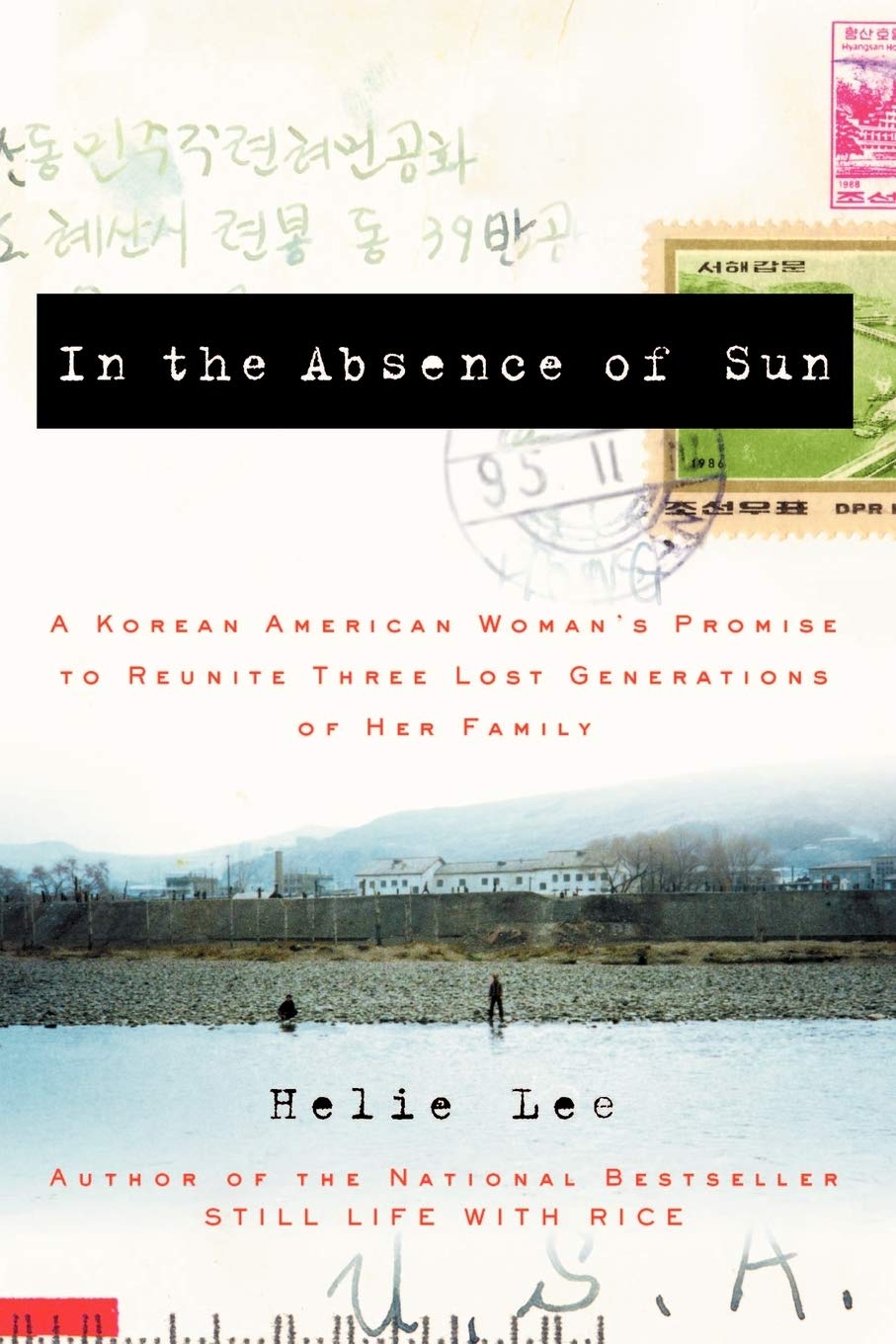
In the Absence of Sun: A Korean American Woman’s Promise to Reunite Three Lost Generations of Her Family by Helie Lee
Lee and her father travel to China to find her rediscovered Uncle, in an attempt to reunite him with his mother (Lee’s grandmother, the heroine of her first book).

Poems from Korea by Peter H. Lee
Translations of poems by Koreans (written in Korean vernacular, not Chinese), including historical annotations and organized by era.

Free Food for Millionaires by Min Jin Lee
A New York City saga peopled with insecure, wounded, and angry resentful characters.

Among the Flowering Reeds: Classic Korean Poetry Written in Chinese by Jong-gil Kim
This translation does fine justice to the subtlety of poetry, especially this genre that is suffused with nature as analogy, illusion and reference.
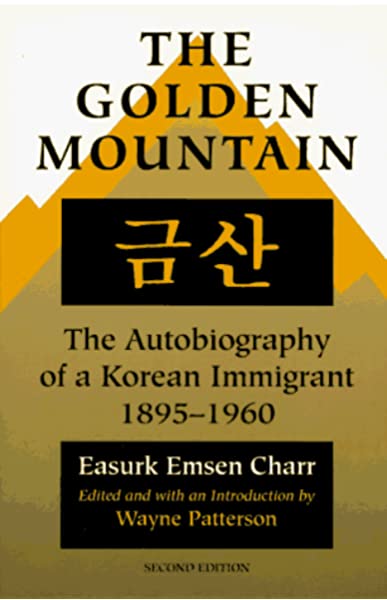
The Golden Mountain: The Autobiography of a Korean Immigrant 1895-1960, by Earsurk Emsen Charr
Memoir. Interesting story of early childhood in northern mts. of Korea, outside of Pyeongyang.

The Legend of Hong Kil Dong: The Robin Hood of Korea, by Anne Sibley O’Brien
Beautiful illustration and a clear story line describe this Korean legendary character, along with some of the complicated cultural mores of the early Yi Dynasty, its injustices, and several traditions and customs, without being intrusive or didactic.

The Dreams of Two Yi-Min, by Margaret K. Pai
A memoir of the author’s parents: the mother a picture bride from Korea married to a man who ends up in an upholstery/furniture/custom drapery businesses and makes a meager, then successful, living in Hawaii during 1920-1940s, with little chance of returning during Japan’s occupation of Korea

Dokebi Bride (Vols. 1-6), by Marley
Introduces Sunbi, the granddaughter of the village shaman, who also sees spirits and is shunned by others.
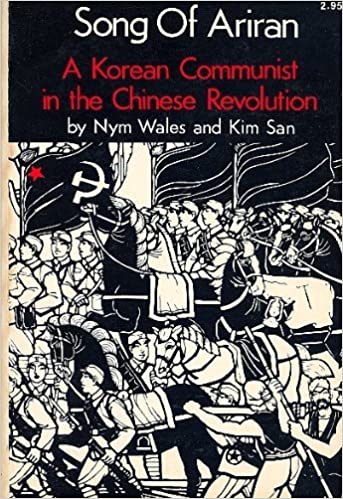
Song of Ariran: A Korean Communist in the Chinese Revolution, by Nym Wales
A 1905-1937 biography of “Kim San”. Kim joined the Chinese Communists as way to resist the Japanese occupation of Korea.

Still Life with Rice Helie Lee
The author goes to Korea in search of her identity, and discovers her grandmother’s compelling story of growing up in a traditional Korean household, expatriating to China to escape the Japanese occupation, and returning only to survive the dramatic hardships of the Korean War.
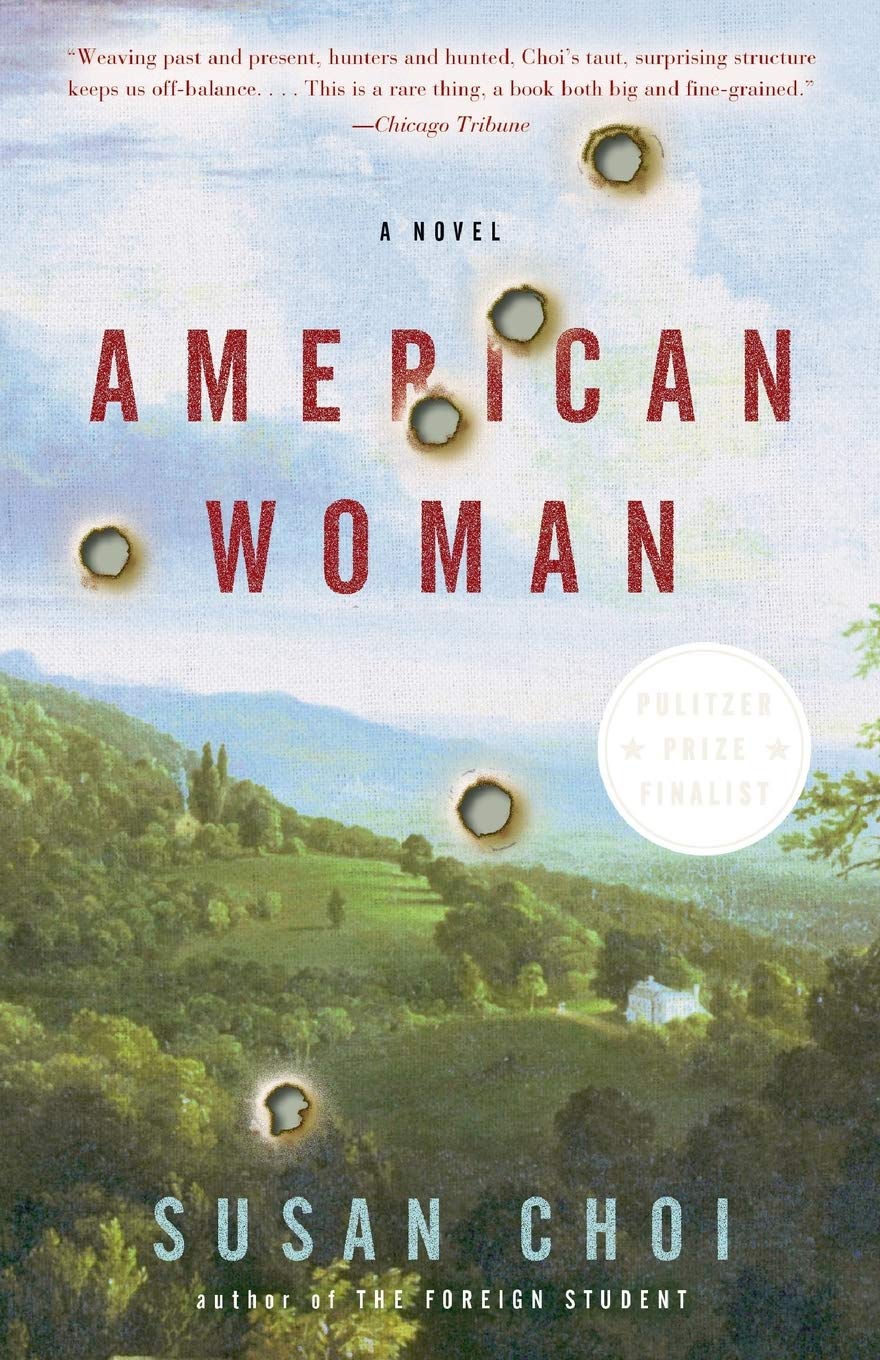
American Woman by Susan Choi
This fictionalized Patty Hearst saga relates the travails of a Japanese American activist who is both on the run (former radical terrorist bomber with her boyfriend, who is in prison) from the law, and from herself—the rage and disconnectedness she feels.

Translations of Beauty, by Mia Yun
Written in present tense, this tale is about KA estranged twin sisters who meet in Europe to mend their relationship.
The Vanguard: A Tale of Korea by James Scarth Gale
An American missionary tells about his life in Korea at the end of the 19th century, before the Japanese Occupation and the fall of the Kingdom/Empire.

A Concise History of Korea by Michael J. Seth
If you will read only one book about Korean history, this is the one. Seth organizes and edits Korea’s rich and vast history into a digestible and coherent whole, covering its legendary origins and through the 19th century.

Korea Between Empires 1895-1919 by Andre Schmid
A unique perspective on a rarely visited period of Korean modern history.

The Bitter Fruit of Kom-Pawi by Taiwon Koh
One of the earlier Korean-American memoirs (published 1959), this was written to thank people who helped the author locate and send her three children to meet her and her husband in America, after the Korean War.
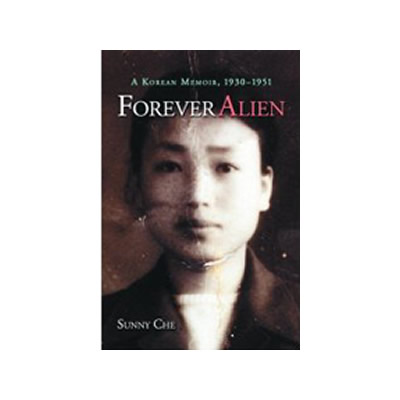
Forever Alien: A Korean Memoir by Sunny Che
Interspersed with historical information, this memoir recounts the trials of a young Korean girl growing up in Japan during Japan’s occupation of Korea, through liberation and the beginning of the Korean War.

Secondhand World by Katherine Min
Written in short-short (2-3 pages) chapters with beautiful precision, stirring imagery, emotional depth and a compelling sense of imminent tragedy
===
Books in KoreanAmerican.com
---
Shelter by Jung Yun
This acclaimed debut novel deserves all the great attention and accolades it’s received. Both a turn-the-page thriller and a literary investigation of a family’s survival from trauma, both recent and decades old, the writing elevates the story into deeper understandings of the nuances in family relationships and how they seep into every act of living.
---
A Small Revolution, by Jimin Han
In her startling debut novel, Jimin Han captures several genres at once—a terrifying thriller, a coming-of-age story of first love, a historical novel of 1980s Korea and Korean Americans, and a work of literature with an interesting structure and use of point-of-view that only ramps up the tension.
---
Pachinko, by Min Jin Lee
The accolades for this fine, epic novel are deserved. In her second novel, author Min Jin Lee follows members of a family (and many equally fascinating ancillary characters) from the Japanese Occupation era in Korea, to the Korean diaspora in Japan, up to 1989.
---
In the Shadow of the Sun, by Anne Sibley O’Brien
It’s been a while since I read a book, YA or adult, that captured me so thoroughly that I didn’t want to stop reading, and that I couldn’t stop thinking about until I finished reading it. IN THE SHADOW OF THE SUN was such a book.
---
Old Korea: The Land of Morning Calm, by Elizabeth Keith and E.K. Robertson Scott
A 1946 tourism or culture info book for Korea, written and illustrated during the Colonial Period, gives the traditional look (by Westerners) at Korea’s culture and customs.
---
You For Me For You, by Mia Chung
This acclaimed indie play is about two North Korean sisters who attempt to defect.
---
Separated @ Birth: A True Love Story of Twin Sisters Reunited, by Anaïs Bordier and Samantha Futerman
A friend of a Korean adoptee finds a photo on Facebook of a girl who could be her double.
---
Book Review of Matthew Salesses’ “The Hundred Year Flood”
It is a story that is steered in subtle yet powerful ways by the psychological effects of adoption yet flawlessly transcends being pigeonholed into the adoption literature category.
---
Book Review of Krys Lee’s “Drifting House”
Krys Lee’s lyrical collection of stories resists being summarized and remains memorable after reading. As a poet and fiction writer, Lee is both vibrant and restrained with detail; she neither exaggerates nor depicts sentimental reactions from her characters mired in tragic situations.
---
Here I Am, by Patti Kim, illustrated by Sonia Sánchez
Vivid illustrations enhance this wordless book, showing a touching story of surprising depth. A recently arrived immigrant boy in an American city feels alienated by the language and all that is new to him.
---
The Fruit ‘n Food, by Leonard Chang
This early KA novel (first published 1996), centered around the Fruit ’n Food grocery, focuses on a somewhat aimless young man who gets involved with the grocer’s daughter.
---
Racial Asymmetries: Asian American Fictional Worlds, by Stephen Sohn
Stephen Hong Sohn has written one of the smartest, analytical books on literature in the past year with Racial Asymmetries: Asian American Fictional Worlds.
---
Modern Korean Literature, Peter H. Lee
Translations of contemporary (up to 1990) Korean writings include poetry, fiction, essays, and drama, predominantly focus on the difficult, tragic and resilient history of Korea during the twentieth-century.
---
A Gesture Life by Chang-rae Lee
Rich language describes a Korean-Japanese-American former WWII medic living quietly in Connecticut in a small provincial town.
---
Native Speaker by Chang-rae Lee
With this 1996 debut novel, Chang-rae Lee entered the pantheon of literary best-sellers. Part mystery, part spy story, part immigrant experience, the story examines the character and identity of Henry Park.
---
Turn to the East, by Caroline Singer and C. Le Roy Baldridge
As a piece of “living history,” this fascinating large-format volume brings together the narrative of Caroline Singer and artwork of her husband, Roy Baldridge, of their year (likely 1924-25) in the Far East, including Japan, Korea and China.
---
The Korean Americans, by Brian Lehrer (The Immigrant Experience series)
A middle-grade book that appears to be part of a series on the immigrant experience.
---
I Married a Korean by Agnes Davis Kim
My family knew Agnes Davis Kim as “Auntie Agnes,” though she wasn’t a blood relative. My Korean parents knew her, perhaps from Korea, perhaps afterwards as immigrants in America, but her book was always on our shelves, and we would visit Auntie Agnes and Uncle David on their farm in the Catskills every summer when I was young.
---
Remembering Korea 1950: A Boy Soldier’s Story by H. K. Shin
This slim volume, a gem, tells Shin’s story of his boyhood and his experience in the Korean War as a sixteen-year-old ROK soldier.
---
Forgotten Country by Catherine Chung
Catherine Chung’s acclaimed debut novel (a Booklist Starred Review, among other terrific press) earns its accolades with elegant prose and a story of an immigrant family.
---
I Am the Clay, Chaim Potok
---
The Orphan Master’s Son, Adam Johnson
---
Miles from Nowhere, by Nami Mun
With stunning prose and a sensitive eye for detail, Mun unfolds five years from age 14 in the gritty and difficult life of a young Korean American runaway on the urban streets.
---
My Innocent Uncle, by Ch’ae Man-sik
Ch’ae Man-shik (or Man-sik), who wrote stories and novels during the colonial period, is considered one of the greats of Korean modern literature. Like his other works, these three stories hone in on individuals who face the dilemmas of their times, those dilemmas of culture and historical circumstance which offer a tragi-comedy of errors.
---
An Appointment with My Brother, by Yi Mun-Yol
The famed South Korean writer imagines meeting his North Korean brother after the death of his father–a defector to the North in the narrator’s youth (a fact that parallels the author’s life).
---
Twofold Song, by Yi Mun-Yol
In a beautifully illustrated and bound bilingual edition, famed writer Yi Mun-yol’s story of the last encounter of an affair presents as allegory of ancients and modern mixed together, with a coda that changes all that primordial prehistoric metaphor into something altogether different.
---
The Martyred by Richard E. Kim
This Korean War story follows Captain Lee who investigates the murders and kidnappings by North Korean Communists of Christian ministers and priests.
---
KYOPO by Cindy Hwang (CYJO)
The Kyopo project by artist Cindy Hwang is a five-year photography and textual endeavor that explores and exposes the breadth and individual depth of people “of Korean ethnic descent and living outside of Korea,” from which the acronym derives.
---
Night Sessions, by David Cho
This wonderful book of poems evoked tears, laughter, admiration and wonder.
---
This Burns My Heart, by Samuel Park
The story explores how a fateful choice colors a decade of marriage, and challenges a young woman’s ambition already constrained by traditional Korean culture.
---
Everything Asian, by Sung J. Woo
The name of the book is taken from the name of the store owned by the parents of the main character, Dae Joon (David). Father has been in America five years without his family setting up a business, and the book begins a month after the arrival of Mother, Dae Joon and his noona (older sister, In Sook–Sue).
---
Yankee Hobo in the Orient, by John Patric
An adventurer and recluse, Patric traveled on pennies throughout Japan, China, and Japanese-occupied Korea in the 1930s.
---
Through Our Eyes: Peace Corps in Korea 1966-1981, by William Harwood
This photograph book, while not a comprehensive collection of the early Peace Corps years in South Korea, includes numerous contributors, most notably Ambassador Kathleen Stephens’ (under President Obama) photographs from the late 1960s.
---
Nothing to Envy: Ordinary Lives in North Korea, by Barbara Demick
One of the few books on North Korea to break into the mainstream reading public, Demick followed 6 people for 15 years of daily living in the oppressive totalitarian culture, who eventually make the difficult choice to defect, despite knowing the repercussions those left behind will suffer.
---
Ignatz, by Monica Youn
Youn’s second book of poems, a National Book Award finalist, investigate the meanderings and trickery of love and relationships, of belief and understanding/misunderstanding, of legend and how belief sustains and fools us, and with spare yet significant language.
---
Barter, by Monica Youn
A debut collection of poems that are both lyrical and at the same time disturbing, the sounds rhythmic and sensory, the images brief, fleeting, evocative and immediate.
---
My Korean Deli, by Ben Ryder Howe
Ben, a self-proclaimed WASP, and Gab, his Korean American wife, live in the basement of her family’s house, Korean-style, as the young couple saves money to move into their own home.
---
Light in the Far East: Archbishop Harold Henry’s Forty-Two Years in Korea, by Edward Fischer
Catholic Archbishop Harold Henry founded the Columban Mission Society in Korea during the Japanese occupation until WWII, when he (like many Westerners) were deported from Korea.
---
There a Petal Silently Falls: Three Stories by Ch’oe Yun, translated by Bruce and Ju-Chan Fulton
Elegantly crafted and quietly moving, Ch’oe Yun’s stories are among the most incisive portrayals of the psychological and spiritual reality of post-WWII Korea.
---
Skirt Full of Black, Poems by Sun Yung Shin
Like the title of the debut collection of poems intimates, the book evokes a woman’s perspective on the rich textures of language, tradition, culture, the manners of the diaspora, sensuality, myth, religion, birth, siblings and family, relational manners, identity, longing and belonging.
---
The Queens of Ktown by Angela Mi Young Hur
Told from the vantage point of the main character Cora, at age 16 and in her late 20s, the themes of this story are familiar.
---
Please Look After Mom by Kyung-sook Shin
The story begins, “It’s been one week since Mom went missing.” What follows are narratives of or by each of the family members: two daughters, eldest son (there’s a younger son who isn’t given a voice), husband, and one other voice, beginning with the daughter who is a writer.
---
Edinburgh, by Alexander Chee
Edinburgh is a coming-of-age story about a Korean American twelve-year-old in Maine who is immersed in the culture of a boys’ choral group that has a pedophile teacher.
---
The Wings by Yi Sang
This slender volume of stories is by a famed Korean author from the colonial period, who died at age 27 with TB in Japan.
---
Long for This World by Sonya Chung
This debut about a young woman grieving from multiple loss and tragedies delves into the lives of all the members of her extended family, and spans two continents (Korea, America) and multiple periods of time.
---
An Ethnography of the Hermit Kingdom: The J.B. Bernadou Korean Collection 1884-1885, by Chang-su Cho Houchins
John Bernadou (1858-1908) was dispatched by the Smithsonian as a cultural attaché or special envoy to the American mission in Korea, and assembled this collection from March 1884 to April 1885.
---
The Surrendered by Chang-rae Lee
What happens to life after you survive the atrocities and randomness of war? Chang-rae Lee examines the deep intricacies of this question and its ramifications in THE SURRENDERED, portraying three survivors (Korean War, China-Japan War) whose lives mesh at an orphanage somewhere in South Korea after liberation.
---
The Art of Korea: Highlights from the Collection of San Francisco’s Art Museum, by Kumja Paik Kim
The San Francisco Asian Art Museum has an exceptional collection of Korean art, extraordinary in breadth of periods, styles, mediums and scholarship.
---
Korean Shamanist Ritual: Symbols and Dramas of Transformation, by Daniel A. Kister
A well-organized study in approachable narrative that investigates Korean shamanism, from the perspective of an author with a background in dramatic arts–a key component of shamanist ritual.
---
Korean Shamanistic Rituals, by Jung Young Lee
This book (published 1980) is derived from Japanese scholar Takashi Akiba’s research and analysis published in 1950, Field Research on Korean Shamanism.
---
Sondok: Princess of the Moon and Stars, by Sheri Holman
(Young Adult) The coming-of-age fiction, told in diary form, explores the life of Korean Princess Sondok (595 AD) during the Three Kingdom period of ancient Korea before she became the first reigning queen of Silla in 632 AD.
---
To Swim Across the World, by Ginger Park
A fictionalized biography of the lives of the parents of authors Frances and Ginger Park.
---
Quiet Odyssey: A Pioneer Korean Woman in America, by Mary Paik Lee
Born in 1900, Lee’s aristocratic Christian family fled Korea in 1905, fearful of the plight of their famiy with Japan’s growing political influence and imminent colonial takeover.
---
Under the Black Umbrella: Voices from Colonial Korea, 1910-1945, by Hildi Kang
A memorable collection of essays, letters and narratives by citizens who lived through the Japanese occupation of Korea.
---
The Bridge at No Gun Ri: A Hidden Nightmare from the Korean War, by Charles J. Hanley, et al
An examination of the U.S. massacre of Korean civilians on this bridge during the Korean War, an incident uncovered in 2001 by investigative reporters Hanley, Choe and Mendoza, who won the Pulitzer Prize for this work.
---
Aunt Jean, by Jeannette Walter
A 1969 family biography of a Korean missionary.
---
A Gift of the Emperor, by Therese S. Park
A 17-year old girl is kidnapped to become a comfort women.
---
The Comfort Women: Japan’s Brutal Regime of Enforced Prostitution in the Second World War, by George L. Hicks
An important history book, organized with clarity, without judgment, but with attempts to understand Japanese ethos and motivations that bred this atrocity.
---
A Cab Called Reliable, by Patti Kim
Sensitive coming-of-age novel of a Korean American girl in a divorced immigrant family setting with alcoholic father, submerged mother.
---
East Goes West: The Making of an Oriental Yankee, by Younghill Kang
This literary autobiographical novel chronicles an immigrant’s experience of America in the 20s through the war years, in New York City.
---
Comfort Woman, by Nora Okja Keller
A mother’s mental illness rooted in a tortured past as a comfort woman is discovered by her daughter through interesting use of alternating chapters of voices past/present, real and ghost.
---
Yi Kwang-su and Modern Korean Literature: Mujong, by Ann Sung-hi Lee
Yi Kwang-su is considered among the first major modern Korean novelists, with his book Mujong, published in 1917 during the Japanese occupation.
The Fold, by An Na
Na’s second novel (YA) addresses the notions about Asian beauty and the prevalent eye surgery that make Asian eyes “more Western.”
---
YELL-Oh Girls! Emerging Voices Explore Culture, Identity, and Growing Up Asian American, by Vickie Nam
An anthology of stories, poems, essays and letters by young (ages 15-22) Asian-American women who write about coming of age, identity, sexuality, stereotypes, school, culture, isolation and interracial dating.
---
Missionary Photography in Korea: Encountering the West through Christianity, by Donald N. Clark
A 2009 exhibition by the Korea Society in New York of missionary photography from the late 19th century reveals a period of change in the previously isolated nation.
---
Samguk Yusa: Legends and History of the Three Kingdoms of Ancient Korea, by Ilyon
This 13th century historical classic, written by a monk, merges myths and folktales into the ancient history of Korea.
---
Echoing Song: Contemporary Korean Women Poets, by Peter H. Lee
Scholar and translator Peter Lee anthologizes contemporary Korean women poets whose work received acclaim in the latter part of the 20th century.
---
Everlasting Flower: A History of Korea, by Keith Pratt
Published in 2006, this history of Korea provides a broad perspective on the traditions, culture, ancient foundations and recent divide of the peninsula.
---
A Ricepaper Airplane, by Gary Pak
From a hospital bed a dying man unfolds the tale of an arduous life on the fringes of a Hawai’i sugar plantation in the 1920s.
---
Unspoken Voices: Selected Short Stories by Korean Women Writers, by Jin-Young Choi
An important anthology of stories (in translation) by twelve women writers, divided by those who lived through the Japanese Occupation and those who experienced the Korean War.
---
The Innocent, by Richard E. Kim
The author of The Martyred and Lost Names explores the politics of postwar Korea in this semi-autobiographical novel.
---
Escaping North Korea: Defiance and Hope in the World’s Most Repressive Country, by Mike Kim
The first of its kind, this book provides a rare and unique inside look into the hidden world of ordinary North Koreans.
---
A Yankee in the Land of the Morning Calm, by Donald G. Southerton
A young adult historical novel follows the “Connecticut Yankee,” Josh Gillet, to late 19th century Korea, a period when Americans begin to receive trade concessions and as a result begin to influence the deeply traditional agrarian culture of the cloistered nation.
---
Women of Uneasy Virtue, by Paul Luchessa
East meets West on intimate terms in this striking series of sketches and stories about modern Korean women, most of them involved with western men.
---
The Tragedy of Korea, by F. A. McKenzie
Written in 1907, McKenzie’s socio-political memoir covers the period in Korea during the Russo-Japanese War, when the seeds of Japan’s interest and ultimate occupation of the peninsula were planted, with the assistance of the international community.
---
I Have the Right to Destroy Myself, by Young-ha Kim
In the fast-paced, high-urban landscape of Seoul, C and K are brothers who have fallen in love with the same woman—Se-yeon—who tears at both of them as they all try desperately to find real connection in an atomized world.
---
War Trash, by Ha Jin
A novel by National Book Award winner Ha Jin (Waiting) follows a Chinese American soldier POW imprisoned in Korea during the Korean War.
---
Magic Amber, by James M. Reasoner
In this Korean folk legend (for youth ages 7-10), a generous and kind elderly farming couple triumph over their cruel and greedy landlord with an enchanted stone that makes rice.
---
Korea: The Search for Sovereignty, by Geoff Simons
This book gives a broad history of Korea, with a particular focus on key 20th century events. Particular attention is given to the dispute over North Korea’s controversial nuclear development program.
---
Korean Landscape Painting: Continuity and Innovation through the Ages, by Song-mi Yi
A dense narrative gives a solid overview of Korean painting.
---
The Poet, by Yi Munyol
Translation of a 1992 novel about a 19th century Korean poet. The first novel by leading South Korean writer Yi Mun-yol to be published in the West in English, this moving, luminous story is based on the life of Kim Pyong-yon (1807-1863), a bamboo-hatted vagabond poet.
---
Early Korean Literature, by David McCann
This anthology, published by Columbia University Press, is reviewed by Robert Fouser
---
September Monkey, by Induk Pahk
Memoir of early immigrant experiences in America and influence of Christian faith in a remarkable woman who rose through difficult cultural mores to become founder/president of Korea’s first vocational school.
---
The Wisdom of the Dragon, by Induk Pahk
A lovely illustrated collection of Korean proverbs, including such gems as “There is a flaw even in jade…”.
---
Jungsoon, by Myosik Park
A fictional account of two women who fight through years of personal and national devastation, from the Japanese occupation through the Korean War, surviving with tenacity.
---
Land of Exile: Contemporary Korean Fiction, by Marshall R. Pihl
An anthology of 12 post-1945 Korean fiction, in translation, includes brief biographies of each author.
---
The Korean Way, by W. Ransom Rice Jr.
This slim volume about the history of Korean Christianity and culture provides a surprisingly thorough cultural and historical overview of Korea, including charming signs of the times, such as “modern technologic advances” of the 1970s.
---
Surfacing Sadness: A Centennial of Korean-American Literature 1903-2003, by Yearn Hong Choi PhD
Poems, essays and stories of Korean American immigrants in the period noted.
---
Under the Loving Care of the Fatherly Leader, by Bradley K. Martin
Reviewed by John Derbyshire
---
The Calligrapher’s Daughter, by Eugenia KIm
Author Anne Sibley O’Brien (The Legend of Hong Kil Dong: The Robin Hood of Korea) says:“I’ve just spent much of the weekend and all of today immersed in The Calligrapher’s Daughter, and it completely captivated me!
---
North of the DMZ: Essays on Daily Life in Korea, by Andrei Lankov
The Kim dynasty has ruled North Korea for over 60 years. Most of that period has found the country suffering under mature Stalinism characterized by manipulation, brutality and tight social control.
---
The History of Korea, by Djun Kil Kim
Greenwood Histories of the Modern Nations–publisher’s description: The Koreas are two of the few countries in the East Asian world to successfully maintain political and cultural independence from China.
---
The Cock Still Crows, by Induk Pahk
In her second memoir after September Monkey, Mrs.Pahk continues her passion for her faith and for education, and includes inspirational stories about how people helped to “grow” her vocational school in Korea.
---
Over the Shoulder: A Novel of Intrigue, by Leonard Chang
A hybrid of crime and literary novel that explores issues of honor and family history, Over The Shoulder offers a unique view of the American protagonist and reluctant investigator, shaken from the doldrums of his insulated life.
Han Yong-un & Yi Kwang-Su: Two Pioneers of Modern Korean Literature, by Beongcheon Yu
In this first book-length study of Han Yong-un and Yi Kwang-su in English, Beongcheon Yu seeks to demythify them and reassess their achievements as writers.
Earth, Spirit, Fire: Korean Masterpieces of the Choson Dynasty, by Powerhouse Museum
A comprehensive exhibition of Korean pottery and ceramics from the 500 years of the Joseon Dynasty.
---
Syncretism: The Religious Context of Christian Beginnings in Korea, by David Chung
A review by Young-Chang Ro, George Mason University.
---
Traditional Korean Designs, Madeleine Orban-Szontagh
A Dover pictorial series book of copyright-free black-and-white line art.
---
Man Sei! The Making of a Korean American, Peter Hyun
Memoir of a twelve-year old boy who witnessed the Korean Independence gathering on March 1, 1919, the first of numerous national demonstrations to protest Japan’s occupation of Korea, that ended in violence and failure, though it ignited nationalistic passions that persist to this day.
---
Korean Folk and Fairy Tales, Suzanne Crowder Han
A representative sampling of Korean storieswhich have been passed down from generation to generation through spoken and written traditions.
---
Culture and the State in Late Choson Korea, JaHyun Kim Haboush
Investigating the late sixteenth through the nineteenth century, this work looks at the shifting boundaries between the Choson state and the adherents of Confucianism, Buddhism, Christianity, and popular religions.
---
Korea Today by George McCune
A Korea scholar, this book was born out of U.S. involvement in Korea at the end of the Pacific War, and as the tensions with Russia grew along the 38th Parallel.
---
Burton Holmes Travel Stories: Japan, Korea and Formosa, by Eunice Tietjens
This 1920s series of travel books were targeted to upper elementary grades to “furnish interesting silent-reading material of informational value…devoted to the most interesting and important countries of the world”.
---
Corea: The Hermit Nation by Wm. Elliot Griffis
Originally published in 1882, this early history of Korea in English by Japanese historian William Elliot Griffis became the dominant text on Korea during a critical period of history when Western interests began to converge on the peninsula.
---
Jia: A Novel of North Korea by Hyejin Kim
This novel is based on the life of a young woman whom the author met during a one-year stay in China while doing humanitarian work near the North Korean border.
---
The Guest, by Hwang Sok-yong, translated by Kyung ja Chun and Maya West
This novel, by a famous Korean author who suffered prison as a result of visiting North Korea, was created with the intent of healing fifty-plus years of deep and bloody wounds between North and South Korea that continue to mar an open dialogue between the two nations and even between family members.
---
This Is Paradise! My North Korean Childhood, by Hyok Kang
Because so little is written from eyewitnesses who have survived the famines of North Korea, this book has its place in informing and revealing the closely held secrets of the DPRK regime.
---
The Aquariums of PyongYang by Kang Chol-Hwan and Pierre Rigoulot
For ten years in his youth, Kang was a prisoner in Yodok, a North Korean concentration camp geared toward “reeducating” ideological traitors and their families.
---
Art of the Korean Renaissance: 1400-1600, by the Metropolitan Museum of Art
The lauded exhibition is concise with quality pieces that truly reflect the era.
---
Everlasting Empire, by Yi In-Hwa
An historical fiction that examines the last years of King Chongjo (r. 1777-1800), the grandson of King Yongjo, and more notably, the son of Crown Prince Sado, who was killed by his father, King Yongjo, who asked him to step into a rice chest and sealed it, whereupon he died of starvation.
---
The Chinese Mirror, by Mirra Ginsburg
A father in ancient Korea travels to China and brings home something he’s never seen before—a mirror. Children’s picture book.
---
The Piano Teacher, by Janice Y. K. Lee
Among the highlights of Lee’s debut novel are the two periods the story is told within—early 1950s and the onset of Japan’s occupation in the 1940s—and the wonderful setting of Hong Kong.
---
Seesaw Girl, by Linda Sue Park
Jade Blossom, being an aristocrat’s child, cannot leave her family compound, until one day she does—to see her sister who recently married. Very young adult.
---
Korean Adventure: Inside Story of an Army Wife, by Dorothy House Vieman
The diary of the wife of an KMAG (Korean Military Advisory Govt.) Army Colonel who arrived in Seoul on April 29, 1949 and lived there for 14 months until she was evacuated because of the looming Korean War.
---
Wayfarer: New Fiction by Korean Women, edited and translated by Bruce and Ju-Chan Fulton
A collection of postwar short stories ranging from the 50s to now. All deal with the isolation and stultified domestic place within which South Korean women still struggle for identity, enrichment and meaning.
---
The Color of Earth, by Kim Dong Wha
This beautifully rendered graphic novel is fairly explicit in telling the coming-of-age story of the protagonist, Ehwa, whose mother runs a tavern.
---
Century of the Tiger: One Hundred Years of Korean Culture in America 1903-2003, by Jenny Ryun Foster et al
This issue of the Manoa Journal is a centennial celebration of literature of Korean Americans.
---
Fifteen Years Among the Top-Knots: Life in Korea, by Lillias Underwood
Lillias Horton was a doctor who went to Korea in 1888 as a Christian humanitarian missionary, whereupon she married one of the first Presbyterian missionaries to land in Korea, Horace Underwood. They traveled throughout Korea for fifteen years,and were connected to the Korean court.
---
The Queen of Tears, by Chris McKinney
After the death of her second husband in Long Island, A famous Korean actress, Soong, travels to Hawaii for her son’s wedding. She moves to the big island and becomes embroiled in her children’s lives.
---
Trail of Crumbs: Hunger, Love and the Search for Home by Kim Sunée
This isn’t a rare story: that of a Korean adoptee coming of age struggling with feeling less than whole, feeling dissociated, feeling her differences and not fitting in anywhere. What makes this memoir different is the author’s strong prose, a tunnel-like focus on food and the inclusion of recipes
---
Brother One Cell by Cullen Thomas
An intimately and sensitively written story of 3.6 years imprisonment in South Korea.
---
The Dream of the Audience: Theresa Hak Kyung Cha (1951-1982), by Constance Lewallen
The catalogue of a retrospective exhibit of Cha’s work, held at a Berkeley gallery contains biographical narratives and interviews with fellow students/artists and teachers who were intimate with her experimental film/art/written language work.
---
Dictée, by Theresa Hak Kyung Cha
The groundbreaking and ultimately powerful mixed-media prose-poetry work that explores the depths and transcendence of suffering, history, love and survival.
---
Soldiers in Hiding, by Richard Wiley
A 2006 reissue of a 1987 winner of the PEN/Faulkner Award. In the early 1940s, two Japanese-American youth travel to Tokyo to play music, and then Pearl Harbor prevents their return.
---
The Book of Dead Birds, by Gayle Brandeis
Winner of Barbara Kingsolver’s Bellwether Prize for Fiction, this novel tells the search-for-identity story of a black Korean American daughter of a former prostitute who worked near a GI base in the mid 1960s postwar Korea.
---
The Living Reed, by Pearl S. Buck
An epic historical fiction that follows Korean modern history (about 1850s through 1945) through the eyes of the male members of four generations of Kims of Andong.
---
The Rascal and the Pilgrim: The Story of the Boy from Korea, by Anthony Kim
An orphaned boy survives the evacuation of Seoul and the Korean War, eventually immigrates to his dream America, with the sponsorship of several military workers and a Benedictine priest.
---
The Waves, by Kang Shin-jae
Young-sil is a ten-year-old girl in the village of Wonjin during the Japanese occupation.
---
Three Generations by Yom Sang-seop, transl. by Yu Young-nan
An epic tale of a family during the Japanese occupation, the story follows the Jo grandfather, father and son in the waning days of the grandfather’s life, detailing the complex inner workings of those three relationships and the many intertwined relationships that they pursue, in the context of life during the occupation.
---
The Shaman Sorceress by Kim Dong-ni
Translated into English in 2002, this early 20th century story of village life presents a conflict between modernism, exemplified by Christianity, and folk traditions of the mudang (sorceress or priestess) and the ancient shaman beliefs of the country that precede Buddhism.
---
The Lost Mother, by Iltang (Kim TaeShin)
An important memoir of a famed Korean-Japanese painter, Kim Tae Shin, who eventually became a monk, following the footsteps of his equally famed mother, Ilyeong, who was a poet and feminist during the Japanese occupation.
---
Postwar Korean Short Stories: An Anthology, edited and translated by Chong-un Kim
This collection of 17 short stories by Korean writers covers the nihilism, inhumanity and hopelessness that marked the decade during and after the divisive Korean War.
---
Peace Under Heaven by Ch’ae Man-Sik
The story occurs within two days, and is a tragicomedy of greed, ambition, egoism and miserliness of the protagonist, Master Yun, and how his family circle augments and exacerbates those pitiable characteristics.
---
Somebody’s Daughter by Marie Myung-Ok Lee
Story of an unhappy Korean adoptee from the typical Minnesota Lutheran family. She goes to Korea in search of identity, pursuing a dream of her mother; transposed against the story of her birth mother and how the child came to be adopted.
---
Gathering of Pearls by Sook Nyul Choi
Concludes the series of three autobiographical fiction books about growing up near Pyeongyang during the Japanese Occupation, through the turmoil of the Russian and American occupations, and flight to South Korea.
---
Echoes of the White Giraffe by Sook Nyul Choi
Sequel to YEAR OF IMPOSSIBLE GOODBYES, the story follows the narrator (semi-autobiographical story) to South Korea where many trials and tribulations continue to pursue the family in times of hardship and war.
---
Year of Impossible Goodbyes by Sook Nyul Choi
This series of three young adult novels follow a girl from North Korea following the Japanese occupation, and then during the war years to Pusan, a journey of love and personal independence despite cultural strictures, then immigration to U.S. The book is followed by ECHOES OF THE WHITE GIRAFFE, and GATHERING OF PEARLS.
---
Korean Residents in Japan: 80-Year History by Sang-hyun Kim
Valuable for its first-person eyewitness viewpoint on prewar issues in Korea and Japan, during the occupation.
---
The Three Day Promise: A Korean Soldier’s Memoir by Donald K. Chung
Memoir of former North Korean medical student separated by Korean War from his family.
---
Pyongyang: A Journey in North Korea by Guy Delisle
A journalist experiences and documents modern North Korean culture, when its proponents try to impress their ideology upon him, only to ultimately reveal its wasteful absurdity.
When My Name Was Keoko: A Novel of Korea in WWII by Linda Sue Park
Fictionalized memoir of Korean girl and her brother set toward then end of Japanese occupation, when everyone was required to take a Japanese name.
---
A Single Shard by Linda Sue Park
Young adult historical novel of 12th century orphan boy who through perseverance becomes a renowned ceramicist.
---
Women and Confucian Cultures by Dorothy Ko, Jahyun Kim Haboush, Joan R. Piggott
This fascinating collection of writings examines the role and culture of women in the Confucian-regulated eras of China, Korea and Japan.
---
Pioneers of Modern Korea by J. Earnest Fisher
Sketches by the author of Americans and American-educated Koreans who influenced Korean culture and politics in the early 20th century.
---
I Am Korean American by Robert Kim
Photographs and a a simple narrative reveal a day in the life of a young Korean American girl.
---
When My Sister Was Cleopatra Moon by Frances Park
This family, comprised of a distant mother, insomniac father, bipolar older sister and new-age main character experiences ongoing situational traumas, racial tyranny and sexual stereotyping.
---
Treasures from Korea: Art through 5000 Years, by Roderick Whitfield
This British Museum exhibition catalog presents a broad collection of ceramics, gold work, and from the later dynasty, paintings.
---
Fox Girl by Nora Okja Keller
A young girl discovers that her mother is really her stepmother (who hates her) and is tossed out of house.
---
The Grass Roof by Younghill Kang
Autobiographical novel of a scholar’s son’s coming of age in small village during the Japanese occupation, though that is felt with some distance.
---
The Lucky Gourd Shop by Joanna Catherine Scott
This fictionalized story tells the sorrowful story of a simple orphan girl, in postwar Korea (mid-late 1950s) who works in a gourd shop.
---
A Part of the Ribbon by Ruth S. Hunter
Two martial arts students time travel through Korean history to learn about the origins of their athletic arts. (Young adult)
---
My Freedom Trip: A Child’s Escape from North Korea by Frances and Ginger Park
After the Korean War, a child is sent to South Korea by her mother who hopes to provide her a better life than in the North.
---
Chi-Hoon: A Korean Girl by Patricia I. McMahon
Photographic essay and narrative of a girl’s daily life in Seoul.
---
House of the Winds by Mia Yun
Coming-of-age novel in 1960s and 70s postwar Korea, explores mother-daughter relationships of three generations.
---
Aekyung’s Dream by Min Paek
A small story of a girl who wakes up in America wondering what language the birds are singing in.
---
Korea’s Place in the Sun: A Modern History by Bruce Cumings
A “modern” history, most of the focus is on the 19th and 20th centuries, and the early section highlights important features of the peninsula’s changes.
---
Where There Is No Path: Lee Tai-Young, Her Story by Sonia Reid Strawn
This biography covers the life of a woman born during the Japanese Occupation, in 1914, and follows her Christian journey and groundbreaking experiences.
---
Ten Thousand Sorrows by Elizabeth Kim
A Korean adoptee’s memoir of a horrific childhood and her struggle for identity and belonging.
---
The Yalu Flows by Mirok Lee
A 1900-1920s memoir of changing politics’ effect on the village life of a privileged only boy.
---
One Thousand Chestnut Trees by Mira Stout
A “mixed breed” artist in NYC finds her roots during a visit home to Korea.
---
True Stories of the Korean Comfort Women edited by Keith Howard
This compilation of personal narratives tells the story of the women who survived Japanese sexual slavery during the Pacific War.
---
Clay Walls by Ronyoung (Gloria Hahn) Kim
This early Korean-American novel follows the Chun family and details the small Korean society in Los Angeles from the 1920s thru the 40s, including one visit back to Korea pre-Depression.
---
Cry Korea Cry by Ty Pak
A mixed-race orphan full of self-loathing discovers his true roots.
---
Home Was the Land of the Morning Calm by K. Connie Kang
A historical memoir covering the end of the Japanese Occupation of Korea until the present, through the eyes of a Korean American reporter from a wealthy family.
Lost Names by Richard E. Kim
Describes the life of a Korean boy (the author)south of Pyongyang during the harshest era of the Japanese occupation, 1930-1945.
---
Chesi’s Story: One Boy’s Long Journey from War to Peace by Link S. White
An early memoir by a Korean adoptee follows a young war orphan popular among GIs who is finally adopted at age 11 by an Air Force sargeant.
---
Winds of Change: Korean Women in America by Diana Yu
Yu attempts to study the undocumented presence of Korean women from the Ancient Period, 2332 BCE, the social and political history of Korean women during the Japanese Occupation (1910-1945) and the role and culture of Korean and Korean American women today, both in the U.S. and Korea.
---
Country of Origin by Don Lee
A detective novel that delves into identity issues, setting us in various historical periods via headline news paragraphs.
---
Introduction to Korean History & Culture, by Andrew C. Nahm
What makes this history book different from the others is Nahm’s exploration of cultural change in light of historical change, including in the arts and traditions.
---
Encounter by Moo-Sook Hahn
A must-read tour-de-force for anyone with interest in Korean history or literature.
---
Irma and the Hermit: My Life in Korea by Irma Tennani Materi
Opinionated, condescending, racially and culturally patronizing narrative of life within USMGIK as the wife of a colonel who trained Korean constabulatory, domestic police, then the Coast Guard.
---
The King’s Secret: The Legend of King Sejong by Carol J. Farley
A fictionalized telling of how the great King Sejong of early Joseon (mid-1400s) set out to create a Korean vernacular alphabet to replace the unwieldy usage of Chinese characters used to write Korean phonetically.
---
The Search by Bobby F. Griffin
A Korean war vet returns after 21 years to search for the houseboy, a onetime street urchin, he had during the war.
---
Country of Origin by Don Lee
A detective novel that delves into identity issues, setting us in various historical periods via headline news paragraphs.
---
Introduction to Korean History & Culture, by Andrew C. Nahm
What makes this history book different from the others is Nahm’s exploration of cultural change in light of historical change, including in the arts and traditions.
---
Encounter by Moo-Sook Hahn
A must-read tour-de-force for anyone with interest in Korean history or literature.
---
Irma and the Hermit: My Life in Korea by Irma Tennani Materi
Opinionated, condescending, racially and culturally patronizing narrative of life within USMGIK as the wife of a colonel who trained Korean constabulatory, domestic police, then the Coast Guard.
---
The King’s Secret: The Legend of King Sejong by Carol J. Farley
A fictionalized telling of how the great King Sejong of early Joseon (mid-1400s) set out to create a Korean vernacular alphabet to replace the unwieldy usage of Chinese characters used to write Korean phonetically.
---
The Fifth Wheel by Soon Chul Lee
Poetry. Sparse, simple language, reminscent of haiku, evokes small moments, glances of nature and movement, that speak to solitude, love, poetry, memory, longing.
---
Aloft, by Chang-Rae Lee
Lee departs from an Asian protagonist and examines the life of the emotionally bankrupt Italian-American Jerry and the people who surround him.
---
The Long Season of Rain, by Helen Kim
A young adult novel about four daughters in the mid–to-late 1960s in Korea. It is primarily the second daughter’s, Junehee, story of family life and her parents’ complex relationship seen through her eyes.
---
Songs of the Kisaeng : Courtesan Poetry of the Last Korean Dynasty by Constantine Contogenis
Gisaeng, sometimes called “skilled women,” were courtesans in Korean history. During the Joseon Dynasty (1392-1910) kisaeng were prominent in society due to Confucian influence and a resulting large number of upper class bureaucrats, for whom gisaeng were a regular “perk.”
---
Echoes Upon Echoes: New Korean American Writings, edited by Elaine H. Kim and Laura Kang
A broad collection organized by age/awareness, focused on identity, family, and the meaning of home and country.
---
In Full Bloom, Caroline Hwang
Ginger moves to NYC to excape her mother and pursue ambitious magazine career.
---
Irma and the Hermit: My Life in Korea by Irma Tennani Materi
Opinionated, condescending, racially and culturally patronizing narrative of life within USMGIK as the wife of a colonel who trained Korean constabulatory, domestic police, then the Coast Guard.
---
The King’s Secret: The Legend of King Sejong by Carol J. Farley
A fictionalized telling of how the great King Sejong of early Joseon (mid-1400s) set out to create a Korean vernacular alphabet to replace the unwieldy usage of Chinese characters used to write Korean phonetically.
---
The Fifth Wheel by Soon Chul Lee
Poetry. Sparse, simple language, reminscent of haiku, evokes small moments, glances of nature and movement, that speak to solitude, love, poetry, memory, longing.
---
Aloft, by Chang-Rae Lee
Lee departs from an Asian protagonist and examines the life of the emotionally bankrupt Italian-American Jerry and the people who surround him.
---
Kori: The Beacon Anthology of Korean American Fiction, by Fenkl and Lew
A broad collection organized by age/awareness, focused on identity, family, and the meaning of home and country.
---
The Foreign Student by Susan Choi
A love story of a rich white girl and Korean boy.
---
A Person of Interest, by Susan Choi
This tour de force by Pultizer-nominee Choi is an amazing exploration of one man’s psyche and how his unlikable persona makes him an FBI person of interest in a bombing case, similar to the Unabomber.
---
The Memoirs of Lady Hyegyong: The Autobiographical Writings of a Crown Princess of Eighteenth-Century Korea transl and annot by JaHyun Kim Haboush
Beyond the scholarly merit and historical significance of this book, the story is hugely compelling, not merely for the facts of the chilling event, but for several other reasons.
---
The Red Queen, by Margaret Drabble
Hopefully this book would spur interested readers on to the original MEMOIRS.
---
In the Absence of Sun: A Korean American Woman’s Promise to Reunite Three Lost Generations of Her Family by Helie Lee
Lee and her father travel to China to find her rediscovered Uncle, in an attempt to reunite him with his mother (Lee’s grandmother, the heroine of her first book).
---
Poems from Korea by Peter H. Lee
Translations of poems by Koreans (written in Korean vernacular, not Chinese), including historical annotations and organized by era.
---
Free Food for Millionaires by Min Jin Lee
A New York City saga peopled with insecure, wounded, and angry resentful characters.
---
Among the Flowering Reeds: Classic Korean Poetry Written in Chinese by Jong-gil Kim
This translation does fine justice to the subtlety of poetry, especially this genre that is suffused with nature as analogy, illusion and reference.
---
The Golden Mountain: The Autobiography of a Korean Immigrant 1895-1960, by Earsurk Emsen Charr
Memoir. Interesting story of early childhood in northern mts. of Korea, outside of Pyeongyang.
---
The Legend of Hong Kil Dong: The Robin Hood of Korea, by Anne Sibley O’Brien
Beautiful illustration and a clear story line describe this Korean legendary character, along with some of the complicated cultural mores of the early Yi Dynasty, its injustices, and several traditions and customs, without being intrusive or didactic.
---
The Dreams of Two Yi-Min, by Margaret K. Pai
A memoir of the author’s parents: the mother a picture bride from Korea married to a man who ends up in an upholstery/furniture/custom drapery businesses and makes a meager, then successful, living in Hawaii during 1920-1940s, with little chance of returning during Japan’s occupation of Korea
---
Dokebi Bride (Vols. 1-6), by Marley
Introduces Sunbi, the granddaughter of the village shaman, who also sees spirits and is shunned by others.
---
Song of Ariran: A Korean Communist in the Chinese Revolution, by Nym Wales
A 1905-1937 biography of “Kim San”. Kim joined the Chinese Communists as way to resist the Japanese occupation of Korea.
---
Still Life with Rice Helie Lee
The author goes to Korea in search of her identity, and discovers her grandmother’s compelling story of growing up in a traditional Korean household, expatriating to China to escape the Japanese occupation, and returning only to survive the dramatic hardships of the Korean War.
---
American Woman by Susan Choi
This fictionalized Patty Hearst saga relates the travails of a Japanese American activist who is both on the run (former radical terrorist bomber with her boyfriend, who is in prison) from the law, and from herself—the rage and disconnectedness she feels.
---
Translations of Beauty, by Mia Yun
Written in present tense, this tale is about KA estranged twin sisters who meet in Europe to mend their relationship.
The Vanguard: A Tale of Korea by James Scarth Gale
An American missionary tells about his life in Korea at the end of the 19th century, before the Japanese Occupation and the fall of the Kingdom/Empire.
---
A Concise History of Korea by Michael J. Seth
If you will read only one book about Korean history, this is the one. Seth organizes and edits Korea’s rich and vast history into a digestible and coherent whole, covering its legendary origins and through the 19th century.
---
Korea Between Empires 1895-1919 by Andre Schmid
A unique perspective on a rarely visited period of Korean modern history.
---
The Bitter Fruit of Kom-Pawi by Taiwon Koh
One of the earlier Korean-American memoirs (published 1959), this was written to thank people who helped the author locate and send her three children to meet her and her husband in America, after the Korean War.
---
Forever Alien: A Korean Memoir by Sunny Che
Interspersed with historical information, this memoir recounts the trials of a young Korean girl growing up in Japan during Japan’s occupation of Korea, through liberation and the beginning of the Korean War.
---
Secondhand World by Katherine Min
Written in short-short (2-3 pages) chapters with beautiful precision, stirring imagery, emotional depth and a compelling sense of imminent tragedy
===

댓글 없음:
댓글 쓰기