The Zone of Interest (film)
| The Zone of Interest | |
|---|---|
 U.S. theatrical release poster | |
| Directed by | Jonathan Glazer |
| Written by | Jonathan Glazer |
| Based on | The Zone of Interest by Martin Amis |
| Produced by |
|
| Starring | |
| Cinematography | Łukasz Żal |
| Edited by | Paul Watts |
| Music by | Mica Levi |
Production companies |
|
| Distributed by | |
Release dates |
|
Running time | 105 minutes[2] |
| Countries | |
| Languages |
|
| Box office | $50.2 million[6][7] |
The Zone of Interest is a 2023 historical drama film written and directed by Jonathan Glazer, co-produced among the United Kingdom, the United States, and Poland. Loosely based on the 2014 novel by Martin Amis, the film focuses on the life of Auschwitz commandant Rudolf Höss and his wife Hedwig, who live with their family in a home in the "Zone of Interest" next to the concentration camp. Christian Friedel stars as Rudolf Höss alongside Sandra Hüller as Hedwig Höss.[3]
Development of the film began in 2014 around the publication of the Amis novel, which is itself based partially on real events. Glazer opted to tell the story of the Hösses rather than the characters they inspired and conducted extensive research into the family, as he sought to make a film that demystifies the perpetrators of the Holocaust as "mythologically evil". The project was formally announced in 2019, with A24 confirmed to distribute the film. Filming took place primarily around the Auschwitz concentration camp in summer 2021. Additional shots were taken in Jelenia Góra in January 2022.[8]
The Zone of Interest premiered at the 76th Cannes Film Festival on 19 May 2023 and was theatrically released in the United States on 15 December 2023. The film received critical acclaim with praise towards Glazer's direction and script, the minimalist use of music, sound design, cinematography, experimental narrative and atmosphere. Among its accolades, The Zone of Interest received five nominations (including Best Picture) at the 96th Academy Awards, winning two: Best International Feature (the first for a non-English British film) and Best Sound.[9] The film also won the Grand Prix at Cannes and three British Academy Film Awards, including Best Film Not in the English Language;[10] received three nominations at the Golden Globe Awards; and was named one of the top five international films of 2023 by the National Board of Review.
Plot[edit]
In 1943, Rudolf Höss, commandant of the Auschwitz concentration camp, lives with his wife Hedwig and their five children in an idyllic home next to the camp. Höss takes the children out to swim and fish, and Hedwig spends time tending the garden. Locals handle the chores, and the murdered Jews' belongings are given to the family. Beyond the garden wall, gunshots, shouting, and the sounds of trains and furnaces are audible.
Höss approves the design of a new crematorium created by Topf and Sons. One day, he notices human remains in the river and gets his children out of the water where they have been playing. He also sends a message to SS personnel, chastising them for their carelessness in “picking lilacs”, causing “bleeding”. At night, while Höss reads the German fairytale of "Hansel and Gretel" to his daughters, a Polish girl sneaks out and hides food at the prisoners' work sites.
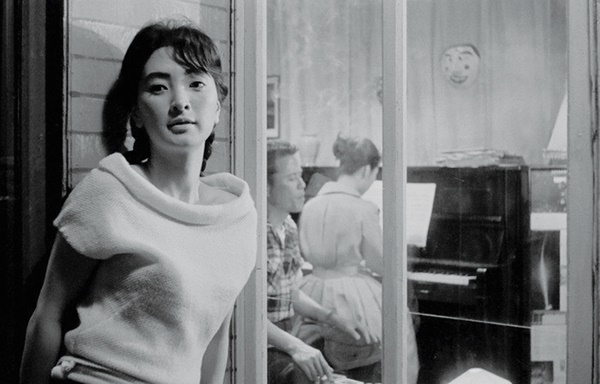
Hedwig's mother comes to stay, and Höss receives word that he is being promoted to deputy inspector of concentration camps and must move to Oranienburg, near Berlin. He objects, and withholds the news from Hedwig for several days. Hedwig asks him to convince his superiors to let her and the children remain in their home; the request is approved. Before Höss leaves, a woman comes to his office and prepares herself for sex. Meanwhile, the Polish girl finds sheet music composed by a prisoner, which she plays on the piano at her home. Hedwig's mother departs unannounced after seeing the burning crematorium at night. She leaves a note that upsets Hedwig.
In Berlin, in recognition of his work, Höss is tasked by Oswald Pohl with heading an operation named after him that will transport 700,000 Hungarian Jews to work at the camps or to be killed. This will allow him to move back to Auschwitz and reunite with his family. He vacantly attends a party organised by the SS Main Economic and Administrative Office. Afterwards, he tells Hedwig over the phone that he spent his time at the party thinking about the most efficient way to gas the attendees.
As Höss leaves his Berlin office and descends a stairway, he stops, retches repeatedly and stares into the darkness of the building corridors. In the present day, a group of janitors cleans the Auschwitz-Birkenau State Museum. Back in 1944, Höss continues downstairs, descending into darkness.
Cast[edit]
- Christian Friedel as Rudolf Höss
- Sandra Hüller as Hedwig Höss
- Johann Karthaus as Klaus Höss
- Luis Noah Witte as Hans Höss
- Nele Ahrensmeier as Inge-Brigit Höss
- Lilli Falk as Heidetraut Höss
- Anastazja Drobniak, Cecylia Pekala and Kalman Wilson as Annegret Höss
- Medusa Knopf as Elfryda
- Maximilian Beck as Schwarzer
- Andrey Isaev as Bronek
- Stephanie Petrowitz as Sophie
- Martyna Poznanski as Marta
- Zuzanna Kobiela as Aniela
- Marie Rosa Tietjen as Hedwig's friend
- Imogen Kogge as Hedwig's mother
- Ralph Herforth as Oswald Pohl
- Daniel Holzberg as Gerhard Maurer
- Freya Kreutzkam as Eleonore Pohl
- Sascha Maaz as Arthur Liebehenschel
- Julia Polaczek as Aleksandra Bystroń-Kołodziejczyk
- Wolfgang Lampl as Hans Burger
Production[edit]
Development[edit]
_(53255110321)_(cropped)_2.jpg)


.jpg)
Development of The Zone of Interest began in 2014.[11] After completing Under the Skin, Glazer came across a newspaper preview of the then-upcoming Martin Amis novel The Zone of Interest and became intrigued. He optioned the novel after reading it. Paul and Hannah Doll, the novel's two main characters, were loosely based on Rudolf Höss, the longest-serving commandant of Auschwitz concentration camp, and his wife Hedwig. Glazer opted to use the historical figures instead and conducted two years of extensive research into the Hösses.[12] He made several visits to Auschwitz and was profoundly affected by the sight of the Höss residence, which was separated from the camp by a mere garden wall.[13] He collaborated with the Auschwitz Museum and other organisations, and obtained special permission to access the archives, where he examined testimonies provided by survivors and individuals who had been employed in the Höss household. By piecing together these testimonies, Glazer gradually constructed a detailed portrayal of the individuals connected to the events.[14][15] He also consulted historian Timothy Snyder's 2015 book Black Earth: The Holocaust as History and Warning during his research.[12]
Glazer wished to make a film that demystifies the perpetrators of the Holocaust, which he noted are often portrayed as "almost mythologically evil". He sought to tell the story of the Holocaust not "as something safely in the past", but "a story of the here and now".[11][16] He compared his approach to the writing of philosopher Gillian Rose, who envisioned a film "that could make us feel 'unsafe', by showing how we're emotionally and politically closer to the perpetrator culture than we'd like to think" and a film seen through the "dry eyes of grief" that is unsentimental and "forensic".[17]
Glazer confirmed development of the project in 2019, with A24, Film4, Access Entertainment and House Productions co-financing and producing.[18][19] Friedel first met Glazer and producer James Wilson in London in 2019 for the role of Rudolf Höss. Despite his own unwillingness to play Nazi figures, he was intrigued by Glazer's approach, which aimed to "give this monstrous person a human face”.[citation needed]
Friedel recommended Hüller for the role of Rudolf's wife Hedwig, having first met her in 2013 while acting together in the historical drama Amour Fou.[16][20] Hüller was first sent an excerpt of the script, an argument between Rudolf and Hedwig presented out of context, before learning the project's nature as a film about the Holocaust. Although she had resolved never to play a Nazi, Hüller was convinced after reading the full script and meeting with Glazer, believing that he shared and addressed her concerns about how to properly depict Nazism on screen. Hüller's own dog, a black Weimeraner, plays Dilla, the Höss family dog in the film.[21]
The young Polish girl in the film is inspired by Aleksandra Bystroń-Kołodziejczyk, whom Glazer met during his research. As a 12-year-old member of the Polish Home Army, she used to cycle to the camp to leave apples for the starving prisoners. As in the film, she discovered a piece of music written by a prisoner. The prisoner, Joseph Wulf, worked at Auschwitz III–Monowitz. He survived the camp and was one of the first people to document the atrocities of the Holocaust, a cause to which he dedicated his life. Bystroń-Kołodziejczyk died shortly after she met Glazer. The bike the film uses and the dress the actress wears both belonged to her.[11][22] Glazer dedicated the film to her while accepting the award for Best International Feature Film at the 96th Academy Awards.[23]
Filming[edit]

The original Höss house has been a private residence since the end of the war.[12] Wear and tear in the subsequent eight decades made it a poor location for the shoot, which required the house to appear brand new. Production designer Chris Oddy ultimately chose a derelict building a few hundred yards away, built after the war but in a similar architectural style.[16] He spent several months converting the home into a replica of the Höss residence, and started planting the garden in April 2021 so that it would be in bloom when filming began.[12] As the camp buildings have aged significantly over the years, they were recreated through the use of computer-generated graphics.[24] Principal photography began around Auschwitz in summer 2021 and lasted approximately 55 days.[12][13] Additional filming took place in Jelenia Góra in January 2022.[8]
The film was shot on Sony Venice digital cameras equipped with Leica lenses.[25] Glazer and cinematographer Łukasz Żal embedded up to 10 cameras in and around the house and kept them running simultaneously, with no crew on set. Żal and his team were stationed in the basement, while Glazer and the rest of the crew were in a container on the other side of the wall, away from the actors. Each take would last 10 minutes. The approach, which Glazer dubbed "Big Brother in the Nazi house", allowed the actors to improvise and experiment extensively during filming.[12][13][15][16] Glazer and Żal aimed for a modern look and did not wish to "aesthetize" Auschwitz. As a result, only practical and natural lighting was used.[26] The nighttime sequences involving the Polish girl, where there was no natural light available, were shot using a forward-looking infrared camera provided by the Polish military. The low-resolution thermal imagery was then upscaled using AI during post-production.[22][16]

Glazer did not want the atrocities occurring inside the camp to be seen, only heard. He described the film's sound as "the other film" and "arguably, the film".[13] To that end, sound designer Johnnie Burn compiled a 600-page document containing relevant events at Auschwitz, testimonies from witnesses, and a large map of the camp so that the distance and echoes of the sounds could be properly determined.[27] He spent a year building a sound library before filming began, which included sounds of manufacturing machinery, crematoria, furnaces, boots, period-accurate gunfire and human sounds of pain. He continued building the library well into the shoot and post-production.[28][29] As many of the new arrivals at Auschwitz at the time were French, Burn sourced their voices from protests and riots in Paris in 2022. The sounds of drunken Auschwitz guards were sourced at the Reeperbahn in Hamburg.[30]
English musician Mica Levi wrote a score, most of which was ultimately cut as Glazer and Burn did not want to have the film sweetened or dramatized by it. The sound collages Levi wrote for the prologue and the epilogue remained, as did soundscapes created for the sequences involving the Polish girl.[31] The compositions combine human voices with a synthesizer, which Levi described as a pairing of "the oldest, most primordial instrument" with "the most modern".[16]
Release[edit]
_(53255109686).jpg)
The Zone of Interest was selected to compete for the Palme d'Or at the 2023 Cannes Film Festival,[32] where it had its world premiere on 19 May,[33] and received a six-minute standing ovation.[34] It won the Grand Prix, the Cannes Soundtrack Award, and the FIPRESCI Prize.[35][36][37]
The North American premiere was held on 1 September 2023, at the 50th Telluride Film Festival.[38][39] The Zone of Interest was also screened at the 2023 Toronto International Film Festival.[40] In the US, after being delayed from its initial release date of 8 December,[41] The Zone of Interest had a limited theatrical release on 15 December.[42] It was released in the UK on 2 February 2024,[43] and released in Poland a week later on 9 February.[44] It was released for digital platforms on February 20.[45]
Jonathan Glazer's acceptance speech at the 96th Academy Awards[edit]
The film's release coincided with the ongoing War between Israel and Hamas, leading to its director, producer and other commentators to draw analogies between them. In his Oscar acceptance speech at the 96th Academy Awards, Glazer said The Zone of Interest shows where dehumanisation leads at its worst, stating that: "Right now, we stand here as men who refute their Jewishness and the Holocaust being hijacked by an occupation which has led to conflict for so many innocent people". He expressed criticism, as a Jewish person, by referring to the dehumanisation of both the "victims of October the 7th in Israel" and "the ongoing attack on Gaza".[46][47]
Glazer's speech led to a significant reaction in the news media, especially due to a widely circulated misquotation which stated that Glazer had simply refuted his Jewishness, rather than refuting said Jewishness "being hijacked by an occupation."[48] Producer James Wilson said at the British Academy Film Awards: "I had a friend that texted me the other day, he said he couldn’t stop thinking about the walls we build in our daily lives that we don’t choose... There’s obviously things going on in the world, in Gaza, that remind us starkly of the sort of selective empathy, that there seems to be groups of innocent people being killed that we care about less than other innocent people."[49] Critic David Klion wrote that watching the film "...as U.S.-made bombs rained down on civilian neighborhoods in Gaza, I couldn’t help but dwell on the banal acceptance of these mass civilian casualties that I’ve witnessed closer to home."[50]
On March 18, an open letter denouncing the speech as blood libel signed by more than 450 "Jewish creatives, executives and Hollywood professionals" including Amy Pascal, Jennifer Jason Leigh, Gary Gilbert, Rod Lurie and Michael Rapaport was released.[51]
On April 5, weeks after the denouncement letter was released, a second open letter in defence and praise of Glazer was signed by over 150 Jewish creatives in the film industry. Eventually, over 450 Jewish creatives signed this letter. Among them were Joaquin Phoenix, Joel Coen, David Cross, Boots Riley, Elliott Gould, Chloe Fineman, Hari Nef, and Wallace Shawn.[52] Playwrights Tony Kushner and Zoe Kazan were among the speech's earlier supporters.[53][54][55]
Reception[edit]
Box office[edit]
As of March 25, 2024, The Zone of Interest has grossed $8.6 million in the United States and Canada, and $31.8 million in other territories, for a total worldwide gross of $40.3 million.[6][7]
In its opening weekend in the United States, the film made $124,000 from four theatres.[56] Following its five Oscar nominations, it expanded from 215 theatres to 333 in its seventh week of release and made $1.08 million, an increase of 141% from the previous weekend, and a running total of $3 million.[57]
Critical response[edit]
The Zone of Interest premiered to critical acclaim.[a] On the review aggregator website Rotten Tomatoes, 93% of 333 reviews are positive, with an average rating of 8.7/10. The website's critics consensus states, "Dispassionately examining the ordinary existence of people complicit in horrific crimes, The Zone of Interest forces us to take a cold look at the mundanity behind an unforgivable brutality."[65] On Metacritic, the film has a weighted average score of 92 out of 100, based on 58 critic reviews, indicating "universal acclaim".[66]
Kevin Maher of The Times called it a "landmark movie, hugely important, that's unafraid of difficult ideas".[67] David Rooney of The Hollywood Reporter called it a "devastating Holocaust drama like no other, which demonstrates with startling effectiveness [director Jonathan Glazer]'s unerring control of tonal and visual storytelling".[68] Donald Clarke of The Irish Times wrote, "Glazer may yet get in some trouble for taking such a formal approach to sensitive material. But, if anything, that self-imposed discipline – and utter lack of sentimentality – speaks to the profound respect he has for the subject."[69] Raphael Abraham of the Financial Times wrote, "Glazer has achieved something much greater than just making the monstrous mundane — by rendering such extreme inhumanity ordinary he reawakens us to its true horror."[70] Jonathan Romney of Screen International wrote that the film "eschews false rhetoric, leaving maximum space for the audience's imaginative and emotional response".[71]
David Ehrlich of IndieWire praised Glazer's camera process for instilling "a flattening evenness into a film where the lack of drama becomes deeply sickening unto itself".[72] Robbie Collin of The Daily Telegraph wrote, "Through painstaking framing and sound design, its horrors gnaw at the edge of every shot."[73] In a four-star review, Peter Bradshaw of The Guardian called it "a film which for all its artistry is perhaps not entirely in control of its (intentional) bad taste", while also praising the "superb score by Mica Levi and sound design by Johnnie Burn".[74]
Writing for Worldcrunch, the German critic Hanns-Georg Rodek wrote: "Here's the first question The Zone of Interest doesn't answer: [is it a film that showcases] ignorance? Of course it isn't. [Does it show] conscious approval based on racist and nationalist delusion? I'm sure it [does]. Is it longing for an idyll in the midst of a situation perceived as threatening? Without a doubt. There are many attempts at an explanation, but they don't really interest Jonathan Glazer. Glazer describes the situation in what is possibly more oppressive than anything we've seen in Holocaust films before. It concentrates in one garden the attitude of an entire nation that wanted to know nothing."[75]
Conversely, the Italian film critic Davide Abbatescianni's review published by Cineuropa was less positive. He criticised the film for its disturbing atmosphere, which he found to be well-crafted but monotonous, and for the performances, which he felt could not bring any change to the concept presented in a film that he thought lacked variety and remained stagnant for two hours.[76] Richard Brody from The New Yorker wrote "the movie is an extreme form of Holokitsch; it's this year's Jojo Rabbit."[77] Among the other rare negative reviews, Les Cahiers du Cinéma, found, "The problem is not only the weakness of (the film's) formal lurches, which are much more derisory than those of Under The Skin, and remain here at the stage of mannerisms (why dispense them in such a furtive manner, if not to frustrate needlessly?). It’s also that this fantastic idea of off-camera poisoning the frame without ever showing the forbidden image ends up running empty and looking at itself."[78] "After largely ecstatic reviews in the English-speaking world, German audiences have been more ambivalent about Jonathan Glazer’s film", commented The Irish Times.[79] Writing for the Frankfurter Allgemeine Zeitung, however, Andreas Klib stated that "Here the camera repeatedly jumps over the axis between the characters -a deadly sin in illusion cinema- to show the back of the event. Because we are not supposed to take part in it, but rather pay attention to details: the clouds of steam from a locomotive on the horizon. The smoke rising from the crematorium into the evening air. The reddish glow of the night sky. The ash that fertilizes the rose beds. At Cannes, where “The Zone of Interest” won the Grand Jury Prize, some critics criticized the film for its lack of storytelling. But that's exactly the point of Glazer's film: it doesn't paint a story, but a world."[80]
Additional reactions[edit]
The film was publicly praised by many filmmakers, including Steven Spielberg who said The Zone of Interest was the best film about the Holocaust since his film Schindler's List (1993), "It's doing a lot of good work in raising awareness, especially about the banality of evil."[81][82] Alfonso Cuarón described The Zone of Interest as "probably the most important film in this century."[83]
In a Variety essay expressing his admiration for the film Todd Field wrote:
Upon its release in Japan on 24 May 2024, video game designer Hideo Kojima hailed the work, "The sounds that plead to the audience through the wall and the torture of deliberately not showing anything at all are used to draw images from the audience's minds. The film tests your 'zone of interest' and paradoxically questions the present's fading memory of the Holocaust."[85]
Accolades[edit]
See also[edit]
- List of submissions to the 96th Academy Awards for Best International Feature Film
- List of British submissions for the Academy Award for Best International Feature Film
- Minimalist film
Notes[edit]
- ^ Attributed to multiple references:[58][59][60][61][62][63][64]
- ^ Tied with Godzilla Minus One.
- ^ Tied with Greta Gerwig and Noah Baumbach for Barbie.
- ^ Awarded for both The Zone of Interest and Anatomy of a Fall. Shared with Emma Stone for Poor Things.[120]
- ^ This award does not have a single winner, but recognizes multiple films.
- ^ a b Also for Anatomy of a Fall.
- ^ Shared with Godzilla Minus One.
- ^ Shared with Anatomy of a Fall.
References[edit]
- ^ Roxborough, Scott (26 May 2023). "Cannes: A24 Closes Worldwide Deals for Jonathan Glazer's 'The Zone of Interest'". The Hollywood Reporter. Archived from the original on 8 June 2023. Retrieved 8 June 2023.
- ^ "The Zone of Interest (12A)". British Board of Film Classification. 7 November 2023. Archived from the original on 8 November 2023. Retrieved 8 November 2023.
- ^ a b c "THE ZONE OF INTEREST". Festival de Cannes. Archived from the original on 27 May 2023. Retrieved 7 May 2023.
- ^ Vourlias, Christopher (19 May 2023). "Poles Share Their Souls With the World". Variety. Archived from the original on 27 May 2023. Retrieved 19 May 2023.
- ^ Film at Lincoln Center
- ^ a b "The Zone of Interest". Box Office Mojo. IMDb. Retrieved 31 March 2024.
- ^ a b "The Zone of Interest". The Numbers. Archived from the original on 27 January 2024. Retrieved 26 March 2024.
- ^ a b "Filmowcy w Cieplicach. Trwają zdjęcia do filmu -Strefa Interesów-" [Filmmakers in Cieplice. Shooting for the film -The Zone of Interest- is in progress]. 24jgora.pl. 23 January 2022. Archived from the original on 28 November 2022. Retrieved 28 November 2022.
- ^ "'Godzilla Minus One' Makes VFX Oscar History As Record Number Of Non-English Language Movies Take Home Oscar Statuettes". 11 March 2024.
- ^ "BAFTA Awards: Best Film Not In English For Auschwitz Drama 'The Zone Of Interest'". Outlook India. 18 February 2024. Retrieved 18 February 2024.
- ^ a b c O'Hagan, Sean (10 December 2023). "Jonathan Glazer on his holocaust film The Zone of Interest: 'This is not about the past, it's about now'". The Guardian. Archived from the original on 20 December 2023. Retrieved 21 December 2023.
- ^ a b c d e f Harvey, Giles (19 December 2023). "How Do You Make a Movie About the Holocaust?". The New York Times. Archived from the original on 21 December 2023. Retrieved 21 December 2023.
- ^ a b c d Salisbury, Mark (27 November 2023). "Jonathan Glazer on 'The Zone Of Interest': "I wanted to remove the artifice of filmmaking"". Screen Daily. Archived from the original on 4 December 2023. Retrieved 21 December 2023.
- ^ Ntim, Zac; D'Alessandro, Anthony (20 May 2023). "Jonathan Glazer On His Holocaust Pic 'Zone Of Interest' & The Dangers Of Far-Right Resurgence Today". Deadline. Archived from the original on 27 May 2023. Retrieved 22 May 2023.
- ^ a b Hammond, Pete (19 May 2023). "'The Zone Of Interest' Review: Jonathan Glazer's Stunning Look At The Holocaust In A Way It Has Not Been Seen – Cannes Film Festival". Deadline. Archived from the original on 27 May 2023. Retrieved 22 May 2023.
- ^ a b c d e f Roxborough, Scott (8 January 2024). "Framing the Horrors of the Holocaust Through a 21st Century Lens: Making of 'The Zone of Interest'". The Hollywood Reporter. Retrieved 14 March 2024.
- ^ O'Falt, Chris; Desowitz, Bill (15 January 2024). "Avoiding the Historical Drama Trap: Why 'The Zone of Interest' Feels So Dangerous". IndieWire. Retrieved 15 March 2024.
- ^ Wiseman, Andreas (23 October 2019). "'Under The Skin' Director Jonathan Glazer Gears Up To Shoot Next Movie With A24, Film4, Access, House & Producers James Wilson & Ewa Puszczyńska". Deadline. Archived from the original on 2 June 2022. Retrieved 28 November 2022.
- ^ Ntim, Zac (15 November 2023). "Łukasz Żal On How Reality TV Shaped The Construction Of Cannes-Winning Nazi Drama 'The Zone Of Interest' — Camerimage". Deadline Hollywood. Archived from the original on 15 November 2023. Retrieved 15 November 2023.
- ^ Leigh, Danny (19 January 2024). "'This is a film to make us unsafe in the cinema. As we should be': Sandra Hüller and Christian Friedel on The Zone of Interest". The Guardian. Archived from the original on 21 January 2024. Retrieved 21 January 2024.
- ^ Riley, Jenelle (28 December 2023). "Sandra Huller on Breaking a No-Holocaust-Movie Rule for "The Zone of Interest", and Whether Her "Anatomy of a Fall" Character is Guilty". Variety. Archived from the original on 29 December 2023. Retrieved 30 December 2023.
- ^ a b Canfield, David (27 December 2023). "A Deep Dive Into The Zone of Interest's Chilling Presentation of Evil". Vanity Fair. Retrieved 15 March 2024.
- ^ "'The Zone of Interest' Director Jonathan Glazer Calls Out Israel's "Occupation" of Palestine in Rousing Oscars Speech | Decider". Retrieved 11 March 2024.
- ^ Coates, Tyler (27 February 2024). "The Zone of Interest Producer on Finding New Relevancy in a Holocaust Drama: Our Political Culture Is Closer to That of the Perpetrator Than We Think". The Hollywood Reporter. Retrieved 16 March 2024.
- ^ Roxborough, Scott (19 December 2023). "'The Zone of Interest' DP Lukasz Zal on Depicting Evil Without the Emotional Manipulation". The Hollywood Reporter. Archived from the original on 20 December 2023. Retrieved 21 December 2023.
- ^ Shachat, Sarah (16 October 2023). "Oscar Cinematography Survey: The Cameras and Lenses Used to Shoot 32 Awards Contenders". IndieWire. Archived from the original on 22 December 2023. Retrieved 21 December 2023.
- ^ Kring-Schreifels, Jake (15 December 2023). "Sounds that Cannot Be Unheard: Sound Designer Johnnie Burn on The Zone of Interest". Filmmaker. Archived from the original on 22 December 2023. Retrieved 22 December 2023.
- ^ Boone, John (13 December 2023). "'The Context Is Everything': Behind the Sights and Sound of 'The Zone of Interest' (Exclusive)". Academy of Motion Picture Arts and Sciences. Archived from the original on 22 December 2023. Retrieved 22 December 2023.
- ^ Struss, Jason (19 December 2023). "Creating the sound of death: How The Zone of Interest brings the Holocaust to chilling life". Digital Trends. Archived from the original on 22 December 2023. Retrieved 22 December 2023.
- ^ Martin, Laura (17 February 2024). "The Zone of Interest: How the most horrifying sounds in film history were created". BBC. Retrieved 17 February 2024.
- ^ Greiving, Tim (12 December 2023). "'Zone' composer Mica Levi is creating film music like you've never heard before". Los Angeles Times. Archived from the original on 21 December 2023. Retrieved 22 December 2023.
- ^ a b Tartaglione, Nancy (13 April 2023). "Cannes Film Festival Lineup: Haynes, Anderson, Glazer, Kore-Eda, Wenders In Competition – Full List". Deadline Hollywood. Archived from the original on 19 April 2023. Retrieved 13 April 2023.
- ^ "The Screenings Guide of the 76th Festival de Cannes" (PDF). Festival de Cannes. 10 May 2023. p. 2. Archived (PDF) from the original on 17 May 2023. Retrieved 10 May 2023.
- ^ Sharf, Zack (19 May 2023). "A24's Nazi Drama 'Zone of Interest' Is a Cannes Sensation With 6-Minute Standing Ovation". Variety. Archived from the original on 26 May 2023. Retrieved 21 May 2023.
- ^ a b Debruge, Peter (27 May 2023). "Cannes Awards: 'Anatomy of a Fall' Takes Palme d'Or, 'The Zone of Interest' and 'The Pot au Feu' Among Winners". Variety. Archived from the original on 28 May 2023. Retrieved 27 May 2023.
- ^ a b "'Zone of Interest', film on Auschwitz commandant, wins 2nd-highest prize at Cannes". The Jerusalem Post. 28 May 2023. Archived from the original on 28 May 2023. Retrieved 29 May 2023.
- ^ a b Bałaga, Marta (27 May 2023). "'The Zone of Interest,' 'The Settlers' Score Fipresci Awards at Cannes". Variety. Archived from the original on 28 May 2023. Retrieved 27 May 2023.
- ^ Davis, Clayton (30 August 2023). "Telluride Lineup Includes World Premieres of 'Saltburn,' 'The Bikeriders' and 'Rustin' With Tributes for Yorgos Lanthimos and Wim Wenders". Variety. Archived from the original on 31 August 2023. Retrieved 30 August 2023.
- ^ "Program Guide" (PDF). Telluride Film Festival. Archived (PDF) from the original on 30 August 2023. Retrieved 30 August 2023.
- ^ "The Zone of Interest". TIFF. Archived from the original on 25 July 2023. Retrieved 25 July 2023.
- ^ Lattanzio, Ryan (2 August 2023). "Jonathan Glazer's 'The Zone of Interest' Sets December A24 Release and Shares Two New Images". IndieWire. Archived from the original on 17 October 2023. Retrieved 2 August 2023.
- ^ McCardle, Tommy (17 October 2023). "The Zone of Interest Trailer: Award-Winning Holocaust Film Shows Family Living Next to Auschwitz". People. Archived from the original on 17 October 2023. Retrieved 17 October 2023.
- ^ "The Zone of Interest". Film Distributor Association. Archived from the original on 21 November 2023. Retrieved 30 October 2023.
- ^ "PISF - Film "Strefa interesów" z datą kinowej premiery" (in Polish). Archived from the original on 18 August 2023. Retrieved 18 August 2023.
- ^ "'The Zone of Interest' Is Now Available to Stream at Home". Collider. 20 February 2024. Retrieved 22 February 2024.
- ^ Stevens, Matt (10 March 2024). "Jonathan Glazer Condemns 'Occupation' and Violence in Israel and Gaza. Glazer, the director of 'The Zone of Interest,' spoke about the war while accepting the Oscar for best international feature". The New York Times. Retrieved 11 March 2024.
- ^ Li, Shirley (11 March 2024). "Jonathan Glazer's Warning at the Oscars. The director of The Zone of Interest accepted his award with an anti-war speech that drew praise and confusion". The Atlantic. Retrieved 11 March 2024.
- ^ Rahman, Abid (11 March 2024). "Jonathan Glazer's Oscar Speech Becomes Latest Battleground in Israel-Gaza Conflict". The Hollywood Reporter. Retrieved 13 March 2024.
- ^ "The Zone Of Interest producer: Gaza conflict reminds us of 'selective empathy'". The Irish News. 18 February 2024. Retrieved 13 March 2024.
- ^ Klion, David (8 March 2024). "The Oscar Contender That Won't Let Us Look Away". The New York Times. Retrieved 13 March 2024.
- ^ Siegel, Tatiana (18 March 2024). "Over 450 Jewish Creatives and Professionals Denounce Jonathan Glazer's 'Zone of Interest' Oscars Speech in Open Letter (EXCLUSIVE)". Variety. Retrieved 19 March 2024.
- ^ Shafer, Ellise (5 April 2024). "Joaquin Phoenix, Elliott Gould, Chloe Fineman and More Jewish Creatives Support Jonathan Glazer's Oscars Speech in Open Letter (EXCLUSIVE)". Variety. Retrieved 5 April 2024.
- ^ Shoard, Catherine (21 March 2024). "'Unimpeachable, irrefutable': US playwright Tony Kushner praises Jonathan Glazer's Oscars speech". The Guardian. Retrieved 24 March 2024.
- ^ Kazan, Zoe (19 March 2023). "............kind of shocked that anyone who saw zone of interest could be shocked by what glazer said at the oscars". X. Retrieved 24 March 2024.
- ^ "In Oscars Speech, Director Jonathan Glazer Denounces 'Occupation' and 'Dehumanization' in Israel and Gaza". Jewish Exponent. 11 March 2024. Retrieved 13 March 2024.
- ^ D'Alessandro, Anthony (17 December 2023). "'Wonka' Yummy With $39M Opening As Musicals Bounce Back At The Box Office – Sunday Update". Deadline Hollywood. Archived from the original on 17 December 2023. Retrieved 17 December 2023.
- ^ D'Alessandro, Anthony (28 January 2024). "'The Beekeeper' Looks To Sting 'Mean Girls' During Woeful Weekend Without Wide Releases; How 'Barbenheimer' & Oscar Best Pic Noms Fared – Sunday Box Office Update". Deadline Hollywood. Archived from the original on 27 January 2024. Retrieved 28 January 2024.
- ^ Hibberd, James (17 October 2023). "'Zone of Interest' Trailer: First Look at A24's Haunting Holocaust Drama". The Hollywood Reporter. Archived from the original on 17 October 2023. Retrieved 17 October 2023.
- ^ Thorpe, Vanessa (20 May 2023). "Nazis and normality: UK directors unsettle Cannes with films tackling 'unseen' evil". The Observer. ISSN 0029-7712. Archived from the original on 4 November 2023. Retrieved 20 October 2023.
- ^ Zuckerman, Esther (13 October 2023). "Sandra Hüller on 'Anatomy of a Fall', 'The Zone of Interest' & What's Next". W Magazine. Archived from the original on 28 October 2023. Retrieved 19 October 2023.
- ^ Dalton, Ben (20 May 2023). "Jonathan Glazer talks connection between Cannes title 'The Zone Of Interest' and modern far-right movements". Screen Daily. Archived from the original on 20 May 2023. Retrieved 17 October 2023.
- ^ Malhotra, Rahul (17 October 2023). "First 'The Zone of Interest' Trailer Uncovers a Chilling Look at Evil in Holocaust Drama". Collider. Retrieved 17 October 2023.
- ^ Fuge, Jonathan (17 October 2023). "The Zone of Interest Trailer Teases A24's Critically Acclaimed Holocaust Drama". MovieWeb. Retrieved 17 October 2023.
- ^ Sarkisian, Jacob (16 October 2023). "'The Zone of Interest' will bag Best Director nomination for Jonathan Glazer". GoldDerby. Archived from the original on 16 October 2023. Retrieved 17 October 2023.
- ^ "The Zone of Interest". Rotten Tomatoes. Fandango Media. Retrieved 8 April 2024.
- ^ "The Zone of Interest Reviews". Metacritic. Fandom, Inc. Retrieved 22 February 2024.
- ^ Maher, Kevin (21 May 2023). "The Zone of Interest review — Holocaust film masterfully reinvents Martin Amis novel". The Times. Archived from the original on 21 May 2023. Retrieved 22 May 2023.
- ^ Rooney, David (19 May 2023). "'The Zone of Interest' Review: Jonathan Glazer's Audacious Film Is a Bone-Chilling Holocaust Drama Like No Other". The Hollywood Reporter. Retrieved 22 May 2023.
- ^ Clarke, Donald (22 May 2023). "One film has shaken Cannes festival like few others in recent memory". The Irish Times. Archived from the original on 22 May 2023. Retrieved 22 May 2023.
- ^ Abraham, Raphael (22 May 2023). "The Zone of Interest review — devastating portrait of the commandant of Auschwitz". Financial Times. Archived from the original on 22 May 2023. Retrieved 22 May 2023.
- ^ Romney, Jonathan (19 May 2023). "'The Zone Of Interest': Cannes Review". Screen International. Archived from the original on 23 May 2023. Retrieved 23 May 2023.
- ^ Ehrlich, David (19 May 2023). "'The Zone of Interest' Review: Jonathan Glazer's Holocaust Anti-Drama Is a Chilling Look at the Banality of Evil". IndieWire. Archived from the original on 26 May 2023. Retrieved 22 May 2023.
- ^ Collin, Robbie (19 May 2023). "The Zone of Interest, Cannes review: Jonathan Glazer's Auschwitz film is horrifying in its banality". The Daily Telegraph. Archived from the original on 19 May 2023. Retrieved 22 May 2023.
- ^ Bradshaw, Peter (19 May 2023). "The Zone of Interest review – Jonathan Glazer adapts Martin Amis's chilling Holocaust drama". The Guardian. Archived from the original on 29 May 2023. Retrieved 22 May 2023.
- ^ Rodek, Hanns-Georg. "Where 'The Zone Of Interest' Won't Go On Auschwitz — A German Critique Of New Nazi Film". WorldCrunch. Archived from the original on 25 May 2023. Retrieved 25 May 2023.
- ^ Abbatescianni, Davide (21 May 2023). "Review: The Zone of Interest". Cineuropa. Archived from the original on 27 May 2023. Retrieved 26 May 2023.
- ^ Brody, Richard (14 December 2023). ""The Zone of Interest" is an Extreme Form of Holokitsch". The New Yorker.
- ^ Sadat, Yal (22 May 2023). "The Zone of Interest de Jonathan Glazer l l'actualité du cinéma". Cahiers du Cinéma (in French). Retrieved 18 March 2024.
- ^ "'It is dishonest': Germany divided over Oscar-nominated Auschwitz film The Zone of Interest". The Irish Times. Retrieved 19 March 2024.
- ^ Kilb, Andreas (28 February 2024). ""The Zone of Interest" mit Sandra Hüller und Christian Friedel neu im Kino". FAZ.NET (in German). ISSN 0174-4909. Retrieved 19 March 2024.
- ^ ""Best...I've Witnessed": Steven Spielberg Reviews A24s the Zone of Interest". Screen Rant. 21 February 2024.
- ^ Feinberg, Scott (21 February 2024). "'Schindler's List': An Oral History of a Masterpiece". The Hollywood Reporter.
- ^ "Alfonso Cuaron: 'The Zone of Interest' is "film of the century"". 6 February 2024.
- ^ Field, Todd; et al. (13 December 2023). "16 Directors Praise 2023's Best Films: Alfonso Cuarón on 'Killers of the Flower Moon,' Jane Campion on 'Priscilla' and More". Variety. Archived from the original on 1 January 2024. Retrieved 23 January 2024.
- ^ "宇垣美里、小島秀夫、森達也らが映画「関心領域」語る こがけん「ひたすらに怖い」(映画ナタリー)". Yahoo!ニュース (in Japanese). Retrieved 13 May 2024.
- ^ Chuba, Kirsten (9 January 2024). "Oppenheimer Leads Nominations for 2024 AARP Movies for Grownups Awards". The Hollywood Reporter. Archived from the original on 9 January 2024. Retrieved 9 January 2024.
- ^ Pedersen, Erik; Petski, Denise (17 January 2024). "Killers Of The Flower Moon Wins Best Picture At AARP Movies For Grownups Awards: Full List". Deadline Hollywood. Archived from the original on 17 January 2024. Retrieved 17 January 2024.
- ^ "International Feature Film - The Academy". Twitter. 23 January 2024. Archived from the original on 23 January 2024.
- ^ Merin, Jennifer (22 December 2023). "2023 EDA Awards Nominees". Alliance of Women Film Journalists. Archived from the original on 23 December 2023. Retrieved 23 December 2023.
- ^ Anderson, Erik (7 December 2023). "'Barbie' and 'Oppenheimer' Lead Hollywood Creative Alliance (HCA) Astra Awards Nominations". AwardsWatch. Archived from the original on 8 December 2023. Retrieved 8 December 2023.
- ^ Neglia, Matt (3 January 2024). "The 2023 Austin Film Critics Association (AFCA) Nominations". Next Best Picture. Archived from the original on 3 January 2024. Retrieved 3 January 2024.
- ^ "Nominations Announced for the 2024 EE BAFTA Film Awards". www.bafta.org. 18 January 2024. Archived from the original on 1 February 2024. Retrieved 18 January 2024.
- ^ Anderson, Erik (10 December 2023). "2023 Boston Society of Film Critics (BSFC): 'The Holdovers' Wins Best Film, Actor, Supporting Actress, Screenplay". AwardsWatch. Archived from the original on 11 December 2023. Retrieved 11 December 2023.
- ^ "EnergaCAMERIMAGE 2023 WINNERS! – EnergaCAMERIMAGE 2023". camerimage.pl. Archived from the original on 18 November 2023. Retrieved 19 November 2023.
- ^ "The 76th Festival de Cannes winners' list". Festival de Cannes. 27 May 2023. Archived from the original on 28 May 2023. Retrieved 28 May 2023.
- ^ Tallerico, Brian (8 December 2023). "Killers of the Flower Moon, Oppenheimer, Poor Things Lead CFCA Nominations". RogerEbert.com. Archived from the original on 8 December 2023. Retrieved 8 December 2023.
- ^ Nolfi, Joey (13 December 2023). "2024 Critics Choice Awards film nominations: See the full list". Entertainment Weekly. Archived from the original on 13 December 2023. Retrieved 13 December 2023.
- ^ Jorgenson, Todd (18 December 2023). "DFW Film Critics Name The Holdovers Best Picture of 2023". Dallas-Fort Worth Film Critics Association. Archived from the original on 18 December 2023. Retrieved 18 December 2023.
- ^ Neglia, Matt (12 January 2024). "The 2023 Denver Film Critics Society (DFCS) Winners". Next Best Picture. Archived from the original on 12 January 2024. Retrieved 21 January 2024.
- ^ Goodfellow, Melanie (7 November 2023). "'Fallen Leaves' & 'The Zone Of Interest' Top European Film Award Nominations In Main Categories". Deadline Hollywood. Archived from the original on 8 December 2023. Retrieved 7 November 2023.
- ^ "These are the winners of the Excellence Awards 2023". European Film Awards. 30 November 2023. Archived from the original on 9 December 2023. Retrieved 30 November 2023.
- ^ Anderson, Erik (13 December 2023). "Florida Film Critics Circle (FFCC) Nominations". AwardsWatch. Archived from the original on 13 December 2023. Retrieved 14 December 2023.
- ^ ""The Boy and the Heron" flies high with Florida Film Critics". Florida Film Critics Circle. 21 December 2023. Archived from the original on 23 December 2023. Retrieved 21 December 2023.
- ^ "Hillary Clinton Teases Sharon Stone On "Gigantic Bath Robe" Gown At Cinema For Peace Gala In Berlin".
- ^ Neglia, Matt (29 December 2023). "The 2023 Georgia Film Critics Association (GAFCA) Nominations". Next Best Picture. Archived from the original on 30 December 2023. Retrieved 30 December 2023.
- ^ Neglia, Matt (5 January 2024). "The 2023 Georgia Film Critics Association (GAFCA) Winners". Next Best Picture. Archived from the original on 6 January 2024. Retrieved 5 January 2024.
- ^ Lang, Brent; Shanfeld, Ethan (11 December 2023). "Golden Globes 2024: Full Nominations List". Variety. Archived from the original on 11 December 2023. Retrieved 12 December 2023.
- ^ Tangcay, Jazz (16 January 2024). "Oppenheimer Dominates Motion Picture Sound Editors Golden Reel Awards Nominations". Variety. Archived from the original on 16 January 2024. Retrieved 16 January 2024.
- ^ Lewis, Hilary (24 October 2023). "'Past Lives,' 'A Thousand and One' and 'All of Us Strangers' Top Gotham Awards Film Nominees". The Hollywood Reporter. Archived from the original on 26 October 2023. Retrieved 25 October 2023.
- ^ Grein, Paul (2 November 2023). "Songs From 'Barbie' Pace 2023 Hollywood Music in Media Awards Nominations (Full List)". Billboard. Archived from the original on 3 November 2023. Retrieved 3 November 2023.
- ^ Darling, Cary (9 January 2024). "Barbie, Oppenheimer lead Houston Film Critics Society's nominations". Houston Chronicle. Archived from the original on 9 January 2024. Retrieved 9 January 2024.
- ^ Darling, Cary (22 January 2024). "Houston Film Critics Society names Poor Things the best film of 2023". Houston Chronicle. Archived from the original on 22 January 2024. Retrieved 22 January 2024.
- ^ Blauvelt, Christian (5 December 2023). "'American Fiction,' 'May December,' 'Past Lives' Lead 2024 Indie Spirits Noms". IndieWire. Archived from the original on 20 December 2023. Retrieved 5 December 2023.
- ^ Rogers, Nick (12 December 2023). "Nominations Announced for the 2023 Indiana Film Journalists Association Awards". Midwest Film Journal. Archived from the original on 25 January 2024. Retrieved 21 January 2024.
- ^ Neglia, Matt (17 December 2023). "The 2023 Indiana Film Journalists Association (IFJA) Winners". Next Best Picture. Archived from the original on 18 December 2023. Retrieved 21 January 2024.
- ^ Blauvelt, Christian (11 December 2023). "2023 Critics Poll: The Best Films and Performances, According to 158 Critics from Around the World". IndieWire. Archived from the original on 21 December 2023. Retrieved 11 December 2023.
- ^ Wilbur, Brock (28 January 2024). "KC Film Critics Circle announce 58th Annual James Loutzenhiser Awards for excellence in film". The Pitch. Archived from the original on 29 January 2024. Retrieved 29 January 2024.
- ^ Neglia, Matt (13 December 2023). "The 2023 Las Vegas Film Critics Society (LVFCS) Winners". Next Best Picture. Archived from the original on 13 December 2023. Retrieved 21 January 2024.
- ^ Davis, Clayton (10 December 2023). "'The Zone of Interest' Wins Best Picture at Los Angeles Film Critics Awards, Four Women Take Acting Prizes (Full Winners List)". Variety. Archived from the original on 10 December 2023. Retrieved 11 December 2023.
- ^ "49th Los Angeles Film Critics Association Awards". Los Angeles Film Critics Association. 10 December 2023. Archived from the original on 8 January 2024. Retrieved 11 January 2024.
- ^ White, Abbey (20 September 2023). "Montclair Film Festival Sets 'Dream Scenario' and 'Eileen' as Opening and Closing Night Films (Exclusive)". The Hollywood Reporter. Archived from the original on 11 October 2023. Retrieved 6 October 2023.
- ^ Davis, Clayton (6 November 2023). "'Killers of the Flower Moon' Named Best Picture by National Board of Review, Lily Gladstone and Paul Giamatti Nab Top Acting Honors". Variety. Archived from the original on 8 December 2023. Retrieved 6 November 2023.
- ^ Lewis, Hilary (6 December 2023). "National Board of Review Names 'Killers of the Flower Moon' Best Film of 2023". The Hollywood Reporter. Archived from the original on 15 January 2024. Retrieved 6 December 2023.
- ^ a b c d Lewis, Hilary (6 January 2024). "National Society of Film Critics Voting Underway". The Hollywood Reporter. Archived from the original on 6 January 2024. Retrieved 6 January 2024.
- ^ Neglia, Matt (18 December 2023). "The 2023 North Texas Film Critics Association (NTFCA) Winners". Next Best Picture. Archived from the original on 19 December 2023. Retrieved 21 January 2024.
- ^ Neglia, Matt (3 January 2024). "The 2023 Oklahoma Film Critics Circle (OFCC) Winners". Next Best Picture. Archived from the original on 3 January 2024. Retrieved 21 January 2024.
- ^ Bergeson, Samantha (12 January 2024). "PGA Awards 2024 Nominations: Maestro, Killers of the Flower Moon, and Past Lives Among Contenders". IndieWire. Archived from the original on 12 January 2024. Retrieved 12 January 2024.
- ^ Anderson, Erik (15 December 2023). "San Diego Film Critics Society (SDFCS) Nominations". AwardsWatch. Archived from the original on 15 December 2023. Retrieved 15 December 2023.
- ^ Neglia, Matt (5 January 2024). "The 2023 San Francisco Bay Area Film Critics Circle (SFBAFCC) Nominations". Next Best Picture. Archived from the original on 6 January 2024. Retrieved 5 January 2024.
- ^ "IPA Reveals Nominations for the 28th Satellite™ Awards". International Press Academy. 18 December 2023. Archived from the original on 19 December 2023. Retrieved 18 December 2023.
- ^ Neglia, Matt (3 January 2024). "The 2023 Seattle Film Critics Society (SFCS) Nominations". Next Best Picture. Archived from the original on 3 January 2024. Retrieved 3 January 2024.
- ^ Neglia, Matt (21 December 2023). "The 2023 Society Of Composers And Lyricists (SCL) Nominations". Next Best Picture. Archived from the original on 22 December 2023. Retrieved 22 December 2023.
- ^ Anderson, Erik (18 December 2023). "Southeastern Film Critics Association (SEFCA): Oppenheimer Wins 8 including Best Picture". AwardsWatch. Archived from the original on 26 December 2023. Retrieved 21 January 2024.
- ^ Anderson, Eric (10 December 2023). "2023 St. Louis Film Critics Association (StLFCA) Nominations". awardswatch.com. AwardsWatch. Archived from the original on 14 December 2023. Retrieved 11 December 2023.
- ^ Vlessing, Etan (22 January 2024). "Oppenheimer Leads Vancouver Film Critics Circle Nominations With Six Nods". The Hollywood Reporter. Archived from the original on 28 January 2024. Retrieved 23 January 2024.
- ^ Neglia, Matt (17 December 2023). "The 2023 Toronto Film Critics Association (TFCA) Winners". Next Best Picture. Archived from the original on 17 December 2023. Retrieved 17 December 2023.
- ^ Neglia, Matt (9 December 2023). "The 2023 Washington DC Area Film Critics Association (WAFCA) Nominations". Next Best Picture. Archived from the original on 9 December 2023. Retrieved 9 December 2023.

Further reading[edit]
- Mann, Itamar (18 April 2024). "Everyday Evil and the Family: Watching the Zone of Interest in Israel 2024". Journal of Genocide Research: 1–5. doi:10.1080/14623528.2024.2340911.
External links[edit]
- The Zone of Interest at IMDb
- Hipes, Patrick (9 January 2024). "'The Zone Of Interest': Read The Screenplay For Jonathan Glazer's Searing Holocaust Drama About Humans' Capacity For Evil". Deadline.
- The Sound of Cruelty - a podcast episode about the Oscar-winning sound design for the film on The Atlantic's official YouTube channel
관심 영역 (영화)
| 관심 영역 | |
|---|---|
| 관심 영역 | |
| 감독 | 조나단 글레이저 |
| 각본 | 조나단 글레이저 |
| 원작 | 마틴 에이미스 " The Zone of Interest " |
| 만들다 |
|
| 제작 총 지휘 | |
| 수행자 | |
| 음악 | 미카 레비 |
| 촬영 | 우카슈 잘 |
| 편집 | 폴 와츠 |
| 제작회사 |
|
| 배급 |
|
| 공공의 |
|
| 상영시간 | 105점 [2] |
| 제작국 | |
| 언어 |
|
| 흥행 소득 | $48,963,682 [5] [6] |

.svg)


.svg)
' 관심 영역 '(칸신료이키, The Zone of Interest )은 마틴 에이미스 의 동명의 소설을 원작으로 하며, 조나단 글레이저 가 각본·감독을 맡은 2023년 미국 · 영국 · 폴란드 공동 제작의 역사・드라마 영화 이다. 크리스티안 프리델 이 아우슈비츠 강제 수용소 옆에 세운 새집에서 아내 헤트비히( 잔드라 휴러 )와의 이상적인 생활을 쌓으려는 루돌프 헤스 소장을 연기 한다 .
'관심영역'은 2023년 5월 19일 제76회 칸 국제영화제 에서 프리미어 상영되어 그랑프리 와 FIPRESCI상을 획득했다. 제49회 로스앤젤레스 영화 비평가 협회 상에서는 작품상을 획득했고 [7] , 2023년 내셔널 보드 오브 리뷰 상에서는 국제영화 톱 5로 선정되었다. 제96회 아카데미상에는 아카데미 작품상 , 감독상 , 국제장편영화상 (영국대표작) [8] 을 포함한 5부문에 노미네이트되어 국제장편 영화상· 음향상을 수상했다. 또 골든글로브상에는 드라마 영화상 을 포함한 3부문, 영국 아카데미상 에는 영국 작품상을 포함한 9부문에 노미네이트되었다.
플롯 [ 편집 ]

캐스트 [ 편집 ]
- 루돌프 헤스 - 크리스티안 프리델
- 헤트비히 헤스 - 잔드라 휴러
- 오스발트 폴 - 랄프 하포스
- 게르하르트 마우라 - 다니엘 홀츠버그
- 알투르 리베헨셸 - 사샤 마스
- 엘레오노아 폴 - 프레이아 크로이츠캠
- 린나 헨셀 - 이모겐 코게
제작 [ 편집 ]
기획 [ 편집 ]
_(cropped).jpg)

.jpg)
.jpg)
『관심영역』의 제작에는 10년이 걸렸다 [9] . ' 언더 더 스킨 종 포식' 이 완성된 후, 그레이저는 출판 전 마틴 에이미스 의 소설 ' The Zone of Interest '를 다룬 신문의 서평 기사를 읽고 흥미를 끌었다. 그는 이 소설을 읽은 후 옵션 계약을 맺었다. 소설의 주인공 파울과 한나의 인형 부부는 아우슈비츠 강제 수용소 에서 가장 길게 소장 을 맡은 루돌프 헤스 와 그 아내의 헤트비히를 대략 모델로 하고 있었다. 그레이저는 가상의 캐릭터 대신에 실재의 인물을 영화에서 다루는 것을 선택해, 헤스 부부에 대해서 2년간에 걸친 철저한 조사를 실시했다 [10] . 그는 아우슈비츠를 여러 번 방문해 헤스저택의 광경에 깊은 감명을 받았다 [11] . 그는 아우슈비츠 박물관 및 기타 조직과 협력하여 공문관에 액세스할 수 있는 특별 허가를 얻어 생존자와 헤스 집에서 일한 사람들이 제공한 증언을 조사했다. 이러한 증언을 연결함으로써, 글레이저는 서서히, 실제로 일어난 일에 관계하는 사람들 한사람 한사람의 상세한 묘사를 구축해 갔다 [12] [13] . 또 그는 조사시에 역사가 티모시 스나이더 의 2015년 저서 ' 블랙 어스 홀로코스트의 역사와 경고 '도 참고했다 [10] .
글레이저는 홀로코스트를 수행한 사람들이 종종 '거의 신화적인 것까지 사악한' 사람들로 그려져 있다고 지적하고, 그러한 점에 대해 신화성을 제거하고 명확하게 만드는 영화를 만드는 것을 뜻합니다. 했다. 홀로코스트의 이야기를, 「과거에 있어 현재에는 관계하지 않는 무엇인가」로서가 아니라, 「지금, 여기에서의 이야기」로서 말하려고 했다 [9] [14] . 자신의 접근법에 대해서는 글레이저는 “우리는 스스로 그런 일은 없다고 생각하고 싶었을지도 모르지만, 감정적으로도 정치적으로도 홀로코스트 실행자의 문화에 가깝다”고 한다. 일을 보여줌으로써 자신들을 '안태가 아니다'라는 기분으로 만든다' 같은 영화, 그리고 감상을 배제한 '범죄 수사에 해당하는 감식 같은', '마른 비탄의 눈'을 통해 볼 수 있는 영화 를 생각하고 있던 철학자 질리안 로즈 가 쓴 것을 끌어내고 있다 [15] .
그레이저는 2019년에 프로젝트를 밝혀 A24 , 필름 4·프로덕션스 , 액세스·엔터테인먼트, 하우스·프로덕션스가 공동 출자와 제작을 실시하는 것을 발표했다 [16] [17] . 프리델은 루돌프 헤스 역을 위해 2019년 런던에서 그레이저와 짐 윌슨 을 처음 만났다. 글레이저와 윌슨의 영화 기획 설명에 당황하면서 프리델은 자신도 그렇게 할 수밖에 없다고 느꼈다. 2013년 역사 드라마 ' Amour Fou '에서 휴러와 공연하고 있던 프리델은 루돌프의 아내 헤트비히 역에 그녀를 추천했다 [18] . 휴러에게는 우선 홀로코스트를 소재로 한 영화로서 프로젝트의 성질을 알리기 전에 문맥을 무시하고 제시된 루돌프와 헤트비히의 논쟁을 각본에서 발췌한 것이 보내졌다. 휴러는 나치를 연기하지 않는다고 마음으로 결정했지만, 그레이저와 면회하고, 나치즘을 스크린상에서 올바르게 그리는 방법에 대해 그녀가 안고 있던 우려를 그가 공유해, 대처해 줄 것이라고 확신했다. 휴러 자신의 애견인 블랙 와이마 러너 는 '관심 영역'에서 헤스가의 애견 디라를 연기하고 있다 [19] .
영화에 등장하는 폴란드인 소녀는 글레이저가 조사 중에 만난 알렉산드리아라는 여성에게 영감을 받고 있다. 12살 무렵 폴란드의 저항운동원 이었던 그녀는 굶주림으로 고통받는 죄수를 위해 사과를 두기 위해 수용소까지 자전거로 다니고 있었다. 영화와 마찬가지로 그녀는 죄수가 쓴 음악을 발견했다. 이 죄수는 유제프 우라(Joseph Wulf)였지만, 그는 전쟁을 살아남았다. 알렉산드리아는 글레이저와는 90세 때 면회했고, 곧 죽었다. 영화에서 사용되고 있는 자전거도 여배우가 입고 있는 의상도 그녀의 것이다 [9] .
촬영 [ 편집 ]
오리지널 헤스 저택은 종전 후 개인의 저택으로 사용되어 왔다. 프로덕션 디자이너 크리스 오디는 수용소 벽 건너편에 있는 폐가게를 몇 달에 걸쳐 헤스 저택의 복제본으로 개조해 촬영 시작시 꽃이 피도록 2021년 4월 정원 심기를 시작했다 . 10] . 주요 촬영 은 2021년 여름에 아우슈비츠에서 시작되어 약 55일간 계속되었다 [10] [11] . 추가 촬영은 2022년 1월에 예레냐 그라 에서 행해졌다 [20] .
이 영화는 라이카의 렌즈를 장착한 Sony Venice 의 디지털 카메라로 촬영되었다 [21] . 글레이저와 촬영 감독인 우카슈 쟈르는 최대 10대의 카메라를 집안과 그 주변에 묻어 현장에 스태프를 두지 않고 동시에 돌려 계속했다. 글레이저가 ‘나치의 저택의 ‘ 빅 브라더 ’’라고 명명한 이 접근법으로 배우들은 촬영 중에 다양한 실험을 할 수 있었다 [10] [11] [13] . 글레이저와 쟈르는 현대적인 외관을 목표로 아우슈비츠를 아름답게 찍는 것은 바람직하지 않았다. 그 결과, 조명은 조합되지 않고 자연광만이 사용되었다 [22] .
글레이저는 수용소 내에서 일어나고 있는 학살 행위를 보이지 않고 단지 들려줄 뿐이다. 그는 이 영화의 음향을 '다른 영화' '분명히 영화'라고 표현했다 [11] . 따라서 음향 디자이너인 조니 번은 아우슈비츠에서의 관련 사건, 목격자의 증언, 수용소의 큰 지도 등을 포함한 600페이지에 이르는 자료를 정리하여 소리의 거리나 반향을 적절히 판단할 수 있도록 했다 [23] . 그는 촬영이 시작되기 전 1년간 제조기계, 화장장, 노, 장화, 당시를 정확하게 재현한 총성, 인간의 고통 소리 등을 포함한 음향 라이브러리를 만들었다. 그는 촬영과 포스트 프로덕션에 이르기까지 라이브러리 구축을 계속했다 [24] [25] . 미카 레비 는 처음에는 이 영화를 위해 점수를 썼지만, 글레이저와 번은 영화가 '달콤해지거나 드라마틱하게 되기'를 원하지 않았기 때문에 대부분이 파괴되었다. 했다. 프롤로그를 위해 레비가 쓴 음악은 영화에 남아 있었고, 또한 몇몇 시퀀스를 위해 만들어진 사운드스케이프와 에필로그를 위한 사운드콜라주도 남겨졌다 [26] .
공개 [ 편집 ]
'관심영역'은 제76회 칸 국제영화제 에서 팔 름돌을 다투는 경쟁부문으로 선출되어 [ 27 ] 오베이션을 받았다 [29] . 영화제에서는 그랑프리 , 칸 사운드 트랙상 , FIPRESCI상을 수상했다 [30] [31] [32] .
북미 프리미어는 2023년 9월 1일에 제50회 텔라이드 영화제 에서 행해졌다 [33] [34] . 또 제48회 토론토 국제 영화제 에서도 상영되었다 [35] . 미국에서는 당초는 2023년 12월 8일 공개 예정이었지만 연기되어 [36] , 12월 15일에 한정 공개 되었다 [37] . 영국은 2024년 2월 2일에 공개된다 [38] . 폴란드에서는 2024년 2월 9일에 공개된다 [39] . 일본에서는 2024년 5월 24일에 공개된다 [40] .
평가 [ 편집 ]
비평가의 반응 [ 편집 ]
'관심 영역'은 프리미어 상영시에 찬양되었다 [41] [42] [43] [44] [45] [46] [47] . 리뷰 수집 사이트 의 Rotten Tomatoes 에서는 222건의 비평을 바탕으로 지지율은 92%, 평균점은 8.7/10이 되어, “처참한 범죄에 가담하는 사람들의 흔한 존재를 냉정하게 검증하는 '관심 영역'은 , 용서하기 어려운 잔학 행위의 배후에 있는 속악함을 냉철하게 바라보게 한다”라고 정리되었다 [48] . Metacritic 에서는 52건의 비평에 근거하여 가중 평균치는 90/100으로 나타났다 [49] .
' 타임스 '의 케빈 메어 는 “획기적인 영화이며, 매우 중요하고, 난해한 발상을 두려워하지 않는다”고 평했다 [50] . ‘ 할리우드 리포터 ’의 데이비드 루니는 “다른 보기 없는 파괴적인 홀로코스트 극이며, (조나단 글레이저 감독의) 색조와 시각적 스토리텔링의 정확한 컨트롤을 놀라울 정도로 효과적으로 보여 있다”라고 평가했다 [51] . " 아일리쉬 타임즈 "의 도널드 클라크는 "섬세한 소재에 이러한 공식적인 접근 방식을 취함으로써 그레이저는 여전히 문제가있을 수 있습니다. 한 규율, 그리고 전혀 감상적이지 않은 것이, 그가 이 소재에 대해 안고 있는 깊은 적의를 이야기하고 있다”고 평가했다 [52] . ' 파이낸셜 타임즈 '의 라파엘 에이브러햄은 “그레이저는 이러한 극단적인 비인간성을 보통으로 그려서 괴물을 흔들리게 할 뿐만 아니라, 그 진정한 무서움을 우리에게 재인식시킨다 라고 하는 , 훨씬 위대한 일을 이룬 것 "이라고 평가했다 [ 53 ] . ' 스크린 인터내셔널 '의 조나단 롬니는 이 영화를 “잘못된 리트릭을 배제하고 관객의 상상력과 감정적인 반응에 최대한의 여백을 남기고 있다”고 평가했다 [54] .
' 인디 와이어 '의 데이비드 엘리히는 그레이저의 카메라워크는 "드라마의 부족이 그 자체로 깊게 병에 걸려가는 영화에 평탄한 균질성을 심었다"고 평가했다 [55] . ' 데일리 텔레그래프 '의 로비 콜린 은 “세심한 프레이밍과 음향 디자인에 의해 그 공포는 모든 샷의 끝을 괴롭히고 있다”고 평가했다 [56] . ' 가디언 '의 피터 브래드쇼 는 4 별을 주고, 이 영화를 「그 예술성고, 아마 (의도적인) 악취미를 완전하게 컨트롤 할 수 없는 영화」라고 평가해, 동시에 "미카 레비의 멋진 점수와 조니 번의 음향 디자인"을 칭찬했다 [57] .
영화 제작자 토드필드 는 이 영화를 칭찬하며 “그레이저 영화에 익숙한 사람에게는 여기서 그의 접근이 은유나 장르의 자부, 혹은 우리가 당연하다고 생각하는 영화적인 약어에 방해받지 않는 것은 놀라운 일도 아니다 . 』), 초상현상(『기억의 가시』), 과학 픽션(『언더 더 스킨 종의 포식』)을 완전히 쇄신해 왔다. 마치 그때까지 본 적이 없는 만큼 간을 빼는 독특함이다”라고 평가했다 [58] .
반대로 이탈리아 영화 비평가인 데이비드 아바테스티안니가 Cineuropa 에서 발표한 비평은 그다지 호의적이지 않았다. 그는 불안한 분위기는 잘 되어 있었지만 단조롭다고 느끼고, 또한 캐스트 연기에 관해서도 변화가 부족하고 2시간 정체된 채로 생각하고, 이 영화 속에서 제시된 컨셉에 변화를 가져올 수 있다. 할 수 없다고 지적했다 [59] . 독일의 비평가인 한스 게오르크 로덱은 Worldcrunch 에 기고해 ''관심 영역'이 대답하지 않는 최초의 의문이 있다. 이것은 무지한 것인가? 물론 그렇지 않다. 적인 승인인가? 분명 그렇겠지. 경이로 느껴지는 상황 속에서의 목가적인 생활에의 동경인가? 글레이저는 아마 지금까지의 홀로코스트 영화보다 억압적인 상황을 묘사하고 있다 .
The Zone of Interest review – Jonathan Glazer’s unforgettable Auschwitz drama is a brutal masterpiece
Only the constant pall of smoke, and a dread-inducing soundscape, tell of the horrors beyond the wall as the idyllic life of the commandant of the death camp and his family rolls by in Glazer’s Oscar-nominated film
Before you read on, a word of caution. There are some films – many of them – that impress on a first viewing but which start to trickle away, like a handful of sand, the moment you leave the cinema. Then there are others, far fewer in number, that strike like a lightning bolt on a first watch and stay with you, scarring themselves into your psyche and subtly but permanently shifting your movie-viewing paradigm on its axis. Jonathan Glazer’s masterful and chilling The Zone of Interest fell into the second group for me. I left it shaken and stricken; it stayed with me, stubbornly, over the months that followed.
As most film fans will agree, that kind of viscerally intense response to a film is the holy grail of cinema viewing. It’s a vanishingly rare experience, and one that is magnified by the sense of discovery that comes from knowing virtually nothing about a film going in (I knew that it was a loose adaptation of the novel of the same title by Martin Amis, but little else). So with that in mind, to any readers who remain in the privileged position of knowing nothing about The Zone of Interest, consider putting aside this review and watching the film first. Otherwise, read on.
To describe The Zone of Interest as an adapted screenplay is perhaps misleading (although it has secured an Oscar nomination in that category, along with four others, including best picture and best director). In fact, the film is very much its own brooding, boldly unconventional entity, sharing with Amis’s book a title and a location – Auschwitz, or more specifically just outside the walls of the camp, in the home of a high-ranking Nazi and his family – but little else.
The walls are a crucial component of this film, which shows the daily details of the life of an upwardly mobile Nazi couple – the commandant of Auschwitz, Rudolf Höss (Christian Friedel), and his wife, Hedwig (Sandra Hüller) – and their five children. The Höss family are raised according to the tenets of the Artaman League, a German anti-urban, back-to-the-land movement that advocated an agrarian ideal and respect for the natural world (Rudolf, a man who presides over the murders of thousands of people each week, dictates an aggrieved memo about the lack of respect for his prized lilacs).
They enjoy wholesome, halcyon picnics by the river (predominantly captured, like most of the picture, in dispassionate mid and wide shots) and idyllic days in the lush, lovingly tended garden of the Höss villa, a source of considerable pride for Hedwig. We never see beyond the walls that separate her cherished roses and dahlias from the industrial death factory on the other side. But through Johnnie Burn’s incredible, immersive sound design, the ambient noise generated by the horrors within the camp is evoked with a suffocating intensity that matches the choking pall of smoke billowing continuously from the Auschwitz furnace chimneys.
Burn’s remarkable work is not the only aural element that contributes to the film’s brutal power. Glazer reteams with composer Mica Levi, his collaborator on his previous film, Under the Skin. Levi’s sparsely used score, accompanying eerie night-vision thermal images, jolts us out of the oblivious banality of the Höss household. And their compositions bookend the picture, with what sounds like a chorus of tormented souls.
A gnawing sense of dread permeates the entire film, created through sound and score, but also through telling details, such as the way the father’s work has polluted his children’s play (the older boy locks his little brother in a greenhouse and then teases him by making the hissing sound of gas). Imagine the stress levels of the chilling baby-on-the-beach sequence from Under the Skin, but stretched out to feature length. It’s a bruising watch.

Unshowy but impeccable in the two main roles, both Friedel and Hüller excel. Friedel plays Rudolf as a pedantic, mid-level bureaucrat with a thin, needling voice and a despot’s haircut, whose unquestioning efficiency and commitment to the cause of National Socialism has facilitated his rapid ascent within the SS. And Hüller’s Hedy chortles over her good fortune as she cherrypicks the choicest possessions of murdered Jewish prisoners, parading her newly elevated status like a purloined mink coat. Nowhere is the understated brilliance of Hüller’s performance better demonstrated than in the delivery of a single line of dialogue, said to her housemaid: “I could have my husband spread your ashes across the fields of Babice.” It could be wielded like a deadly weapon, but Hüller says it conversationally, almost pleasantly. The impact all but knocks the breath from your body.

_POSTER.jpg)