Aust, US, Canada: migrant & native experiences

ethnic relations & identities

Labels

  • History
  • Indigeneous
  • Migrant
  • National Identity
  • Politics
  • Religion and Spirituality

Thursday, July 30, 2020

Native Perspectives on the 40th Anniversary of the American Indian Religious Freedom Act | Smithsonian Voices | National Museum of the American Indian | Smithsonian Magazine

Native Perspectives on the 40th Anniversary of the American Indian Religious Freedom Act | Smithsonian Voices | National Museum of the American Indian | Smithsonian Magazine


National Museum of the American Indian


SMITHSONIAN VOICES NATIONAL MUSEUM OF THE AMERICAN INDIAN
Native Perspectives on the 40th Anniversary of the American Indian Religious Freedom Act

November 30th, 2018, 6:00PM / BY Dennis Zotigh

Niuam (Comanche) peyote fan, ca. 1890. Oklahoma. 22/9197 (Ernest Amoroso, National Museum of the American Indian, Smithsonian)

"Resolved by the Senate and House of Representatives of the United States of America in Congress assembled, That henceforth, it shall be the policy of the United States to protect and preserve for American Indians their inherent right of freedom to believe, express, and exercise the traditional religions of the American Indian, Eskimo, Aleut, and Native Hawaiians, including but not limited to access to sites, use and possession of sacred objects, and the freedom to worship through ceremonials and traditional rites." —American Indian Religious Freedom Act, 1978


This year marks the 40th anniversary of the American Indian Religious Freedom Act (AIRFA), Public Law No. 95-341, 92 Stat. 469, passed by a joint resolution of Congress and signed into law by President Jimmy Carter on August 11, 1978. The First Amendment of the Constitution—the first article of the Bill of Rights—states that “Congress shall make no law respecting an establishment of religion, or prohibiting the free exercise thereof.” Yet Native Americans were not allowed to practice their religion and were persecuted for conducting tribal ceremonies integral to the continuation of traditional culture. At the same time, the federal government supported Indians' Christian conversion.


Beginning no later than the early 1800s, the government promoted Christian education among Native Americans. During the 1870s, in what was seen as a progressive decision, the administration of President Ulysses S. Grant assigned 13 Protestant denominations to take responsibility for managing more than 70 Indian agencies on or near reservations (leading the Catholic Church quickly to establish the Bureau of Catholic Indian Missions). In 1887, the Dawes Act dividing tribal lands into individual allotments included a provision allowing religious organizations working among Indians to keep up to 160 acres of federal land to support their missions.

The Department of Interior’s 1883 Code of Indian Offenses—de facto laws that applied only to American Indians—punished Indian dances and feasts by imprisonment or withholding food (treaty rations) for up to 30 days. Any medicine man convicted of encouraging others to follow traditional practices was to be confined in the agency prison for not less than 10 days or until he could provide evidence that he had abandoned his beliefs.


The code was amended 50 years after its adoption to remove the ban on dances and other customary cultural practices. Even so, despite the First Amendment's guarantees, American Indians’ traditional religious practices were not protected until the passage of the American Indian Religious Freedom Act. The act also calls on federal departments and agencies to evaluate their policies and procedures in consultation with Native traditional leaders to protect and preserve Native American religious cultural rights and practices. The original law did not contain provisions for civil or criminal penalties for violations. As a result, additional legal protections were legislated, including the American Indian Religious Freedom Act Amendments of 1994.


To find out how Native Americans feel about the American Indian Religious Freedom Act, I asked people from across Indian Country who participate in their ceremonial traditions to share their stories. Here are their responses:


Kenny Frost, Ute Sundance Chief: “Sadly, prior to this law, Native people were prohibited from practicing our Native religion. The meat of the law enacted the basic civil liberties to protect and preserve American Indians’ inherent right of freedom to believe, express, and exercise the traditional religious rights and cultural practices in Indian Country. These rights include, but are not limited to, access to sacred sites, freedom to worship through ceremonials, and the use and possession of objects considered sacred to Native people.


“This act brought to the forefront the need to continue a dialogue about how to safeguard for Native people our way of worshipping in our sacred places. This act was the first step to ensure that Native people can continue to worship. The extent to which this is or isn’t the case, however, depends on federal policies, as Native people today still cannot go to their sacred places on federal lands. More needs to be done in the education of federal agencies.


“Sadly, due to the displacement of Native people to Indian reservations, many grassroots people do not know where their traditional sacred areas and territory lands are located. Manifest Destiny is still alive today. We risk losing the knowledge of traditional places as those people with traditional knowledge leave this world. We must continue to strive to pass this knowledge on to future generations. We must educate our tribal leaders to fund and provide transportation for our people to travel to our traditional homelands and reconnect to our sacred places.”


Casey Camp-Horinek, Ponca Scalp Dance Society leader: “AIRFA is an oxymoron. How can a law be made around a religion and then be called 'freedom'? Are we free to care for our own Eagle feathers without a permit from the U.S. government? No. Do we still need to prove who we are with a Certificate Degree of Indian Blood (C.D.I.B.)? Yes. Can we live freely within the Natural Laws and honor our one true Mother, the Earth? No, not when laws created by man are defining our relationship with Her. Balance must be restored through prayer and ceremony, not by written words in man's attempt to override the Great Mystery's original instructions."


Katsi Cook, Mohawk elder and midwife: “I can't help but think about our many elders who made this protection of our Indigenous and human right to Indigenous spiritual expression real and protected. The act codified the religious freedom of Indigenous peoples, including my Mohawk people. My ancestor Col. Louis Cook fought in George Washington's army to ensure our Indigenous right to our ways of being and knowing. AIRFA is the historical antidote to the U.S. government's civilization regulations of the 1880s, which wrote into law the deprivation of Indigenous people and nations of our religious freedom.”


Andrew Wakonse Gray, Osage Native American Church leader: “The first thing that comes to mind is that the Native American Church (NAC) is not a religion but a ceremony. At the turn of the 19th century, many tribes had to hide their ceremonial ways within a religious structure called the Native American Church. Back then, the government and non-Indian community were afraid of us, as our ceremonies became associated with rebellion. This misunderstanding resulted in the Wounded Knee Massacre in 1890 and many other incidents. Many tribes took notice, including the Osage. We established our NAC ways with the help of John Wilson, a Caddo–Delaware Indian also known as Moonhead, and later of Francis Claremore, Blackdog, and others. We have included the NAC Ceremony into our Osage ways and have practiced our ways quite well. We still name, put our people away, use our pipe way by way of the corn shuck, paint, and follow other Osage ways. We believe in prayer. As my uncle used to say, ‘More prayer, more better.’”


Jackie Yellowtail, Crow Sundancer: “The AIRFA is very important to our traditional ways, which have survived thousands of years, even through times when we had to hide to practice them. Our family has kept these ways strong, as we were taught by those who have gone before us. This is the way it has been done for generations! Our sacred life ways continue so the people can live!”


Tim Tsoodle, Headsman of the Kiowa Gourd Clan: “This law allowed us to openly dance, sing, and mostly pray as our grandfathers did. It is ceremonies like the Kiowa Gourd Dance that make us Kiowa. To be able to do these things without outside interference is what makes the American Indian Religious Freedom Act significant.”


Shirod Younker, Coquille ceremonial woodcarver: “In 1954, Congress terminated the Coquille as a federally recognized tribe. In 1989, the Coquille Indian Tribe was reinstated as a newly ‘restored’ federally recognized tribe. Prior to this, our religion and language had been stripped from us. So at this time, we are trying to replicate what was taken away from us by government policies. We are indebted to our cousin tribes the Tolowa and Siletz who have shared ceremonies with us.”


“The American Indian Religious Freedom Act may not have affected my tribe directly, but it has had an impact on that door of reaffirming our shared ceremonial practices in the open again. It has been 40 years since this act was passed. The practices to remove and destroy our culture started more than 150 years ago, in the 1840s and ‘50s. It will take at least that amount of time to come close to restoring what we lost. These ceremonies and practices reinforce the need to bring back our many distinct languages from the Oregon Coast. Our ceremonial ways all come from the earth. We cannot effectively understand their importance or details until we restore the environment that helps sustain us physically and spiritually.”


Dennis W. Zotigh (Kiowa/San Juan Pueblo/Santee Dakota Indian) is a member of the Kiowa Gourd Clan and San Juan Pueblo Winter Clan and a descendant of Sitting Bear and No Retreat, both principal war chiefs of the Kiowas. Dennis works as a writer and cultural specialist at the Smithsonian National Museum of the American Indian in Washington, D.C.

More From This Author »

Tags:

American, American History, Native, Native American cosmology

LATEST
A Native American Remembrance on Korean Armistice Day
Ending the Use of Racist Mascots and Images
CATEGORIES
American Culture (24)
American History (44)
Collections (3)
Contemporary Art (13)
Cultural Heritage (23)
Education (4)
Especially for Children (1)
Museum Studies (5)
Native American Veterans (14)
Technology & Innovation (1)
World History (3)
    Posted by Sejin at 6:23 PM No comments:
    Email ThisBlogThis!Share to XShare to FacebookShare to Pinterest

    Colonial Countryside: Facing up to Britain’s murky past - BBC Culture

    Colonial Countryside: Facing up to Britain’s murky past - BBC Culture


    How Britain is facing up to its hidden slavery history


    By Holly Williams4th July 2020

    Several stories are bringing attention to the nation’s involvement in the historic slave trade. Holly Williams asks the writer of recent play The Whip why they are so important to tell now.


    Article continues below

    I


    If we hear at all about Britain’s involvement in slavery, there’s often a slight whiff of self-congratulation – for abolishing it in 1833, 32 years ahead of the US, where the legacy of slavery is still more of an open wound. Less well known, however, is the enormous cost of this decision for the taxpayer – the British government spent £20 million, a staggering 40% of its budget in 1833, to buy freedom for slaves. That’s equivalent to approximately £20bn today, making it one of the biggest ever government bailouts. The cost was so high, the vast loans the government took out to fund it were only just paid off in 2015.

    This article was originally published in February 2020

    Which is mind-boggling stuff, but if you’re thinking you can’t put a price on freedom, brace yourself for bad news – the money didn’t go to the slaves, but to their owners. That’s right: the British taxpayer, until five years ago, was paying off debts that the government racked up in order to compensate British slave owners for their loss of ‘property’. Records show that ancestors of former Prime Minister David Cameron and authors George Orwell and Graham Greene all profited at the time from these massive pay-outs, as did Prime Minister William Gladstone, who helped his father claim for £106,769. That’s a payment of around £83 million in today’s money, to just a single family.

    More like this:

    - The world’s most shocking theatre

    - The princess who thought she was made of glass

    - The pranksters who make the world laugh

    And what’s even more shocking is that supposedly freed slaves were in fact committed to six to 12 years of further service as unpaid ‘apprentices’, meaning slave owners were compensated to the tunes of millions – and continued to get free labour. It wasn’t until 1838 that these admittedly wildly contentious apprenticeships were abolished too, and slaves in the British Empire were truly emancipated.


    What blew me away was here I was, a working woman, a descendent of the transatlantic slave trade, and I helped pay off this massive loan – Juliet Gilkes Romero


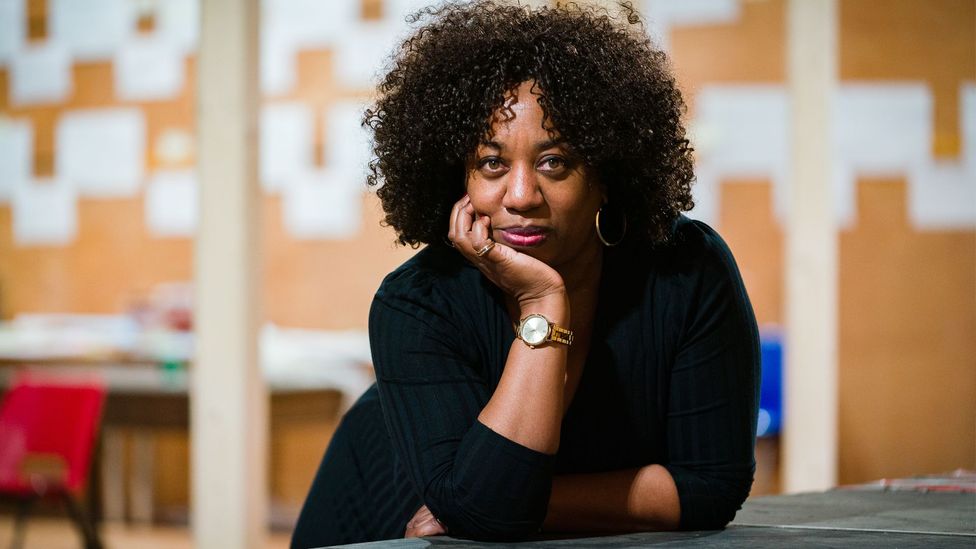
    When journalist-turned-playwright Juliet Gilkes Romero read about this bailout, she was so stunned, she knew she had to write a play about it – and help put the story in the public consciousness. “What blew me away was here I was, a working woman, a descendent of the transatlantic slave trade, and I helped pay off this massive loan,” says Romero, whose parents came to the UK from Trinidad and Barbados in the 1960s. “That added urgency to what I wanted to write – I just thought I’ve got to get this out there.”


    Journalist turned playwright Juliet Gilkes Romero has written new play The Whip, which opens this week at the RSC


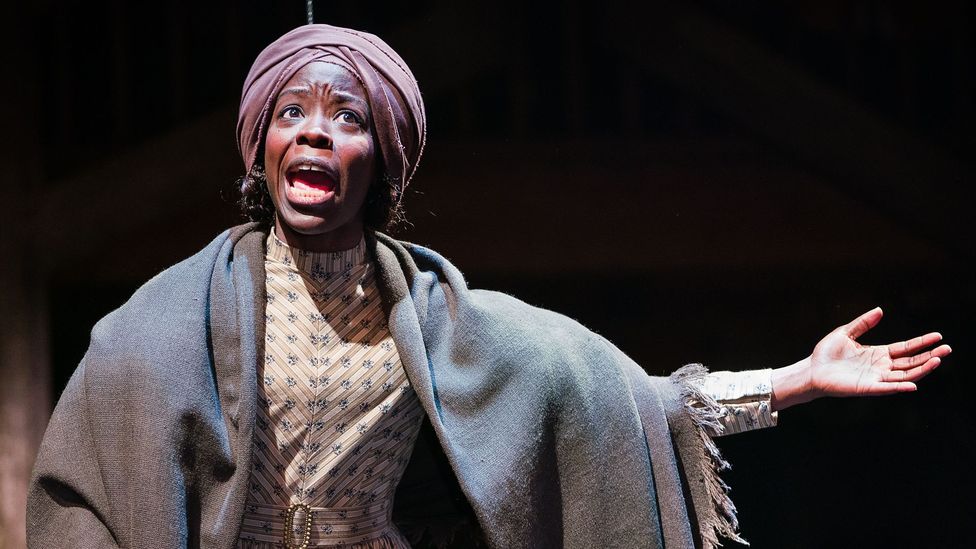
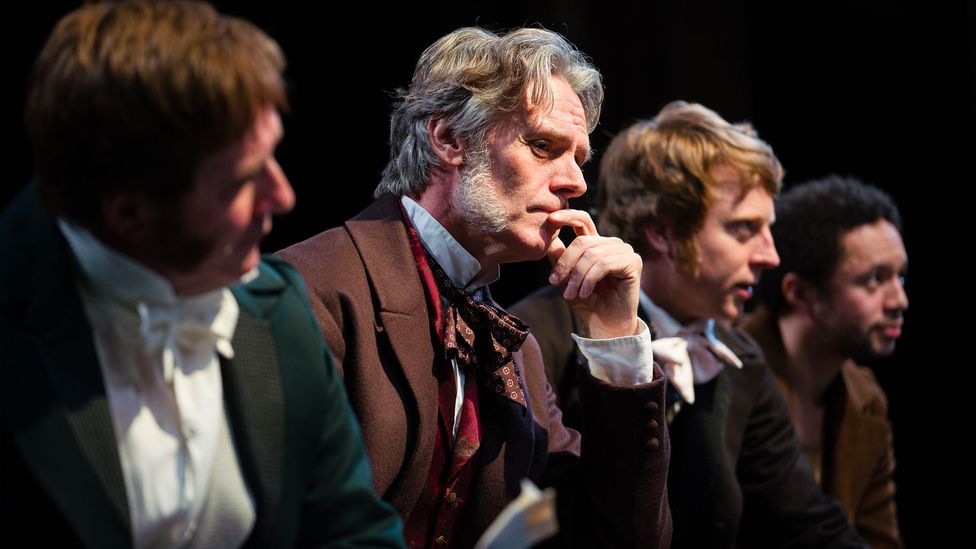
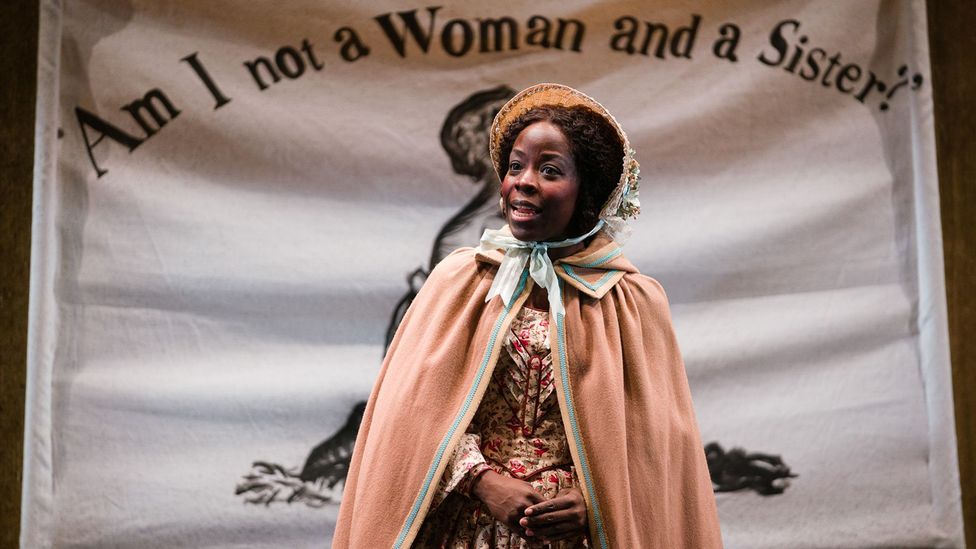
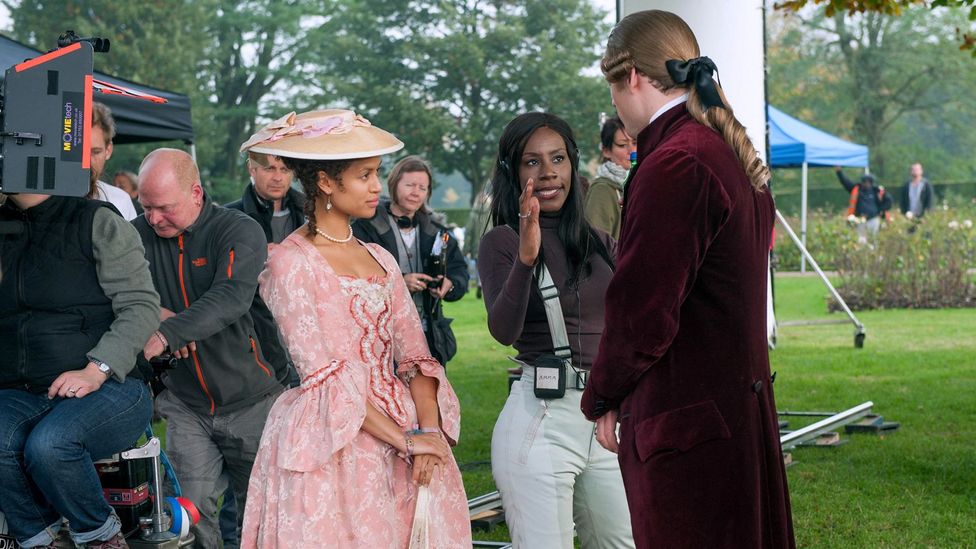
    Her play, The Whip, was commissioned by the Royal Shakespeare Company, and opens in Stratford-upon-Avon this week. Romero fictionalises various real-life characters from the battle to get the Slavery Abolition Act of 1833 through the House of Commons, the deals and compromises that had to be made, as well as the role that women, working people, and runaway slaves played in the campaign. It includes a character inspired by proto-feminist Mary Wollstonecraft and another based on Mary Prince, a former slave who became the first black woman in Britain to petition Parliament, and to write a memoir.

    “I’m trying to bring in many elements of our history – it’s not a single-issue play,” Romero tells BBC Culture. And even if she was horrified by the realisation that she’d been paying off this compensation, Romero also appreciates that hard decisions did have to be made in an incredibly volatile period of history.


    The Whip fictionalises real-life characters from the battle to get the Slavery Abolition Act of 1833 passed


    “It is complex – [Parliament] knew that the empire’s economy couldn’t continue to draw its wealth off the back of slavery, and I admire that. But it was cold-eyed and pragmatic. And because slaves were property, owners had to be compensated,” she says, pointing out that if they hadn’t been, blood might have been shed over the huge loss of profit for slave owners – as happened in the US. “In the United States this [issue] kept going to Congress, and they couldn’t come to an agreement and as a result had a civil war and about 600,000 people lost their lives. So while what Parliament managed was flawed, I also look at it in the context of what happened in America.”

    Romero was commissioned to write the work in 2015 – but the subject gained traction when, in 2018, HM Treasury tweeted: “Here’s today’s surprising #FridayFact. Millions of you have helped end the slave trade through your taxes… The amount of money borrowed for the Slavery Abolition Act was so large that it wasn’t paid off until 2015. Which means that living British citizens helped pay to end the slave trade.”


    It includes characters based on Mary Wollstonecraft and Mary Prince, a former slave who became the first black woman in Britain to petition Parliament


    Unsurprisingly, once the reality of the situation – that the tax money was used to compensate owners, not slaves – was revealed, it caused quite an outcry, and brought the situation to much wider attention, making Romero’s play feel newly topical. The Whip offers a critical lens on a period of British history that typically has a more positive spin on it. “I think a narrative won through – ‘these slaves were freed by us!’” points out Romero.

    Stories rarely told

    Still, previous works about Britain’s involvement in the transatlantic slave trade are relatively few and far between – especially compared to the preponderance of stories about the US. There’s Michael Apted’s Amazing Grace, a 2006 film about abolitionist William Wilberforce – although Romero points out it doesn’t include the participation of black abolitionists and runaway slaves in the movement, and the film was accused of “prettifying” the subject at the time of its release. There’s Amma Asante’s 2013 movie Belle, which features the Zong insurance case, where the owner of a British slave ship tried to claim for lost ‘cargo’ – read human lives – after ill slaves were thrown overboard. The case helped publicise the horrors of the middle passage, the transporting of slaves from Africa to the Americas, and became a spur for the abolitionist movement (the slave trade – the profiting from transporting and selling of slaves – was abolished in the UK in 1807, even if the use of slave labour in British colonies was not outlawed until 1833).


    Unless we’re telling these stories, people don’t know – Romero


    But any uncomplicatedly celebratory narrative of ‘we freed slaves’ is one that deserves challenging. Like many on Twitter, Romero feels frustrated that the British public too often simply don’t know the real stories about our own shameful past – that, historically, we haven’t been told by our politicians, through our education systems, or through our art.


    Amma Asante’s 2013 film Belle featured the Zong insurance case, which had helped publicise the horrors of the middle passage


    The story behind The Whip “speaks to me as a journalist because I like to investigate, to uncover what has been buried for political expediency,” Romero says; she used to work for the BBC, and has reported from Ethiopia, Haiti and the Dominican Republic. “You have to wonder how much it was supressed. You have to ask, how come your tax money was paying off this compensation, and you didn’t know about it, never learned about it in school…”

    An estimated 2.3 million African slaves were sent to the British Caribbean, but compared to narratives about the US, these stories have been rarely told. There are some obvious historical reasons for that: US slavery took place on home turf, and therefore has a more visible ongoing legacy, whereas for Britons it happened thousands of miles away.


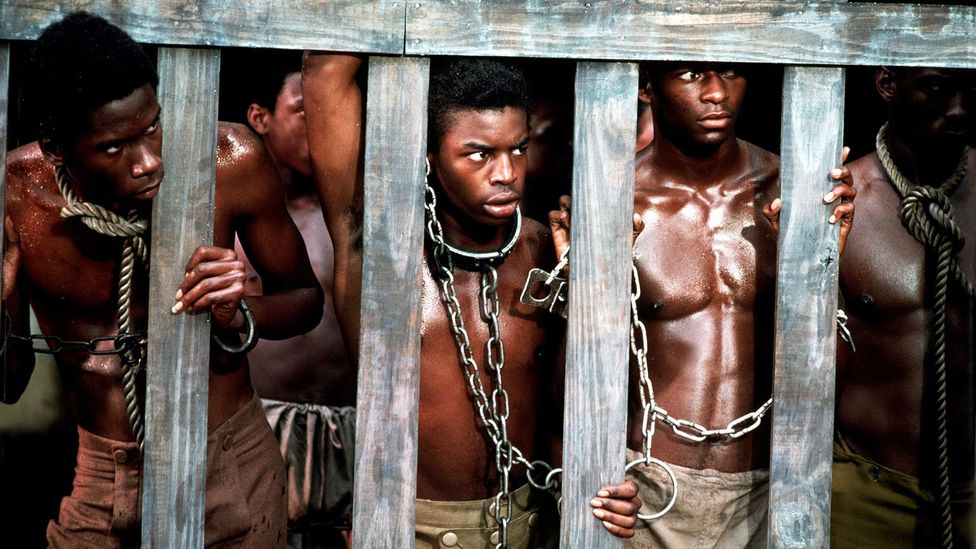
    There is a much more high-profile body of work exploring US slave stories, from hit TV series Roots to 12 Years a Slave and The Underground Railroad


    But Romero believes it’s also, in more recent times, to do with who gets to tell what stories on the global stage. “We hear about black Americans, but we don’t hear the British stories. About 30 million slaves were uprooted from Africa and sold in the new world, the Caribbean and the Americas, but what a lot of people don’t know is that only something like 5% of those slaves went to America,” she points out; 55% were sold to Brazil and Spanish South America and 35% were sold in the West Indies. “And yet the American narrative is first and foremost. That’s because of Hollywood – unless we’re telling these stories, people don’t know.”

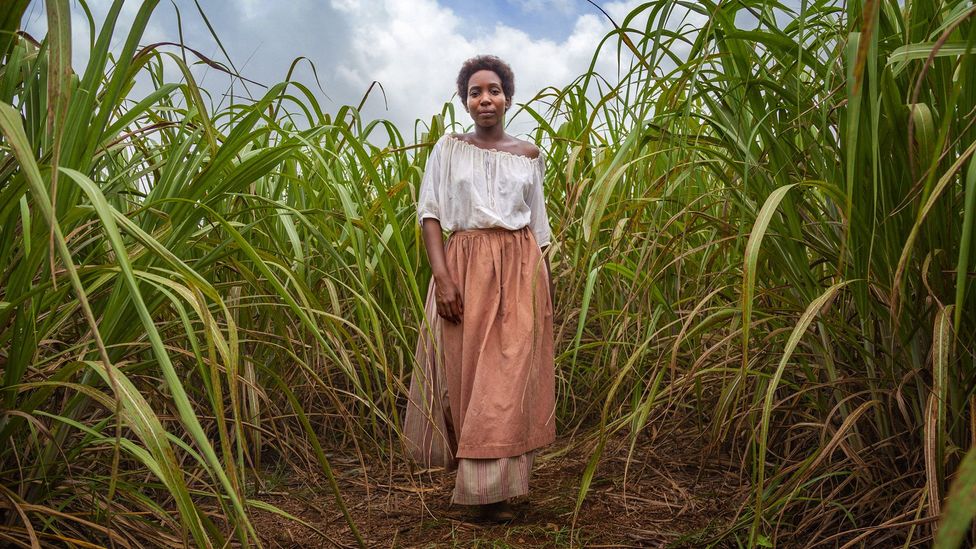
    There is a much more high-profile body of work exploring slavery in the US – and its ongoing after-effects, from globally best-selling novels like Toni Morrison’s Beloved to seminal TV shows such as Roots to Oscar-winning movies like 12 Years a Slave. Then there are more recent works such as Colson Whitehead’s Pulitzer-winning novel The Underground Railroad and the just-released The Water Dancer by Ta-Nehisi Coates, to Harriet in cinemas and even Slave Play on Broadway.

    A dialogue with the past

    But Britain’s involvement is now starting to be subject to greater attention: these stories are beginning to nudge their way into the public consciousness too. The Whip is, in fact, one of several British slavery narratives to get a high-profile airing.


    Andrea Levy’s novel The Long Song looked at the final years and aftermath of slavery in Jamaica – it was made into a BBC drama in 2018


    Andrea Levy’s 2010 novel The Long Song was made into a BBC drama at the end of 2018; it looked at the final years of slavery in Jamaica and life there after abolition. Meanwhile Sara Collins’s The Confessions of Frannie Langton – a gothic novel about a slave on a Jamaica plantation who’s later sent to London – just won the Costa first novel award.

    The Whip is far from the only story making it to the stage either – in fact, there’s a welcome wave of work by black British creatives looking at Britain’s colonial legacy. Selina Thompson’s fantastic play salt., in which she recounts a journey she took in a cargo ship, retracing one of the routes of the transatlantic slave triangle, was seen at Edinburgh and then the Royal Court last year and has recently toured Canada and New York.


    Phoenix Dance Theatre’s new show Black Waters explores the Zong massacre through contemporary dance


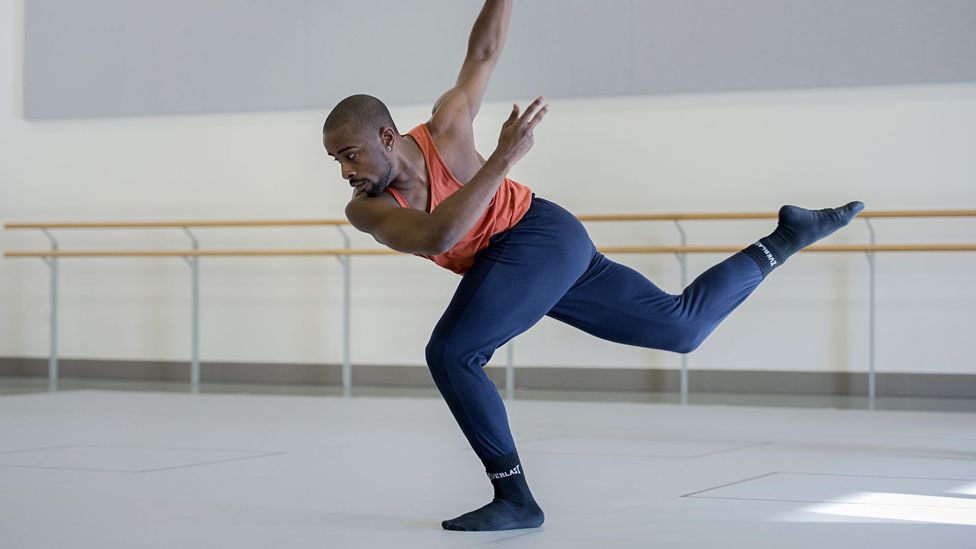
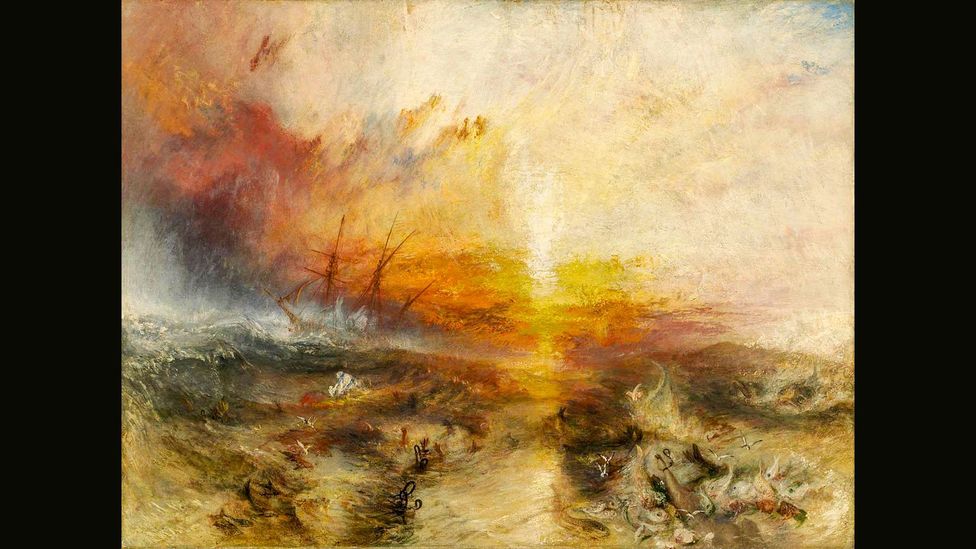
    Renowned British playwright Winsome Pinnock’s new play, Rockets and Blue Lights, is at the Manchester Royal Exchange Theatre from March, and takes another look at the Zong massacre – offering a contemporary take on it too. It was the subject of a painting by JMW Turner in 1840, entitled The Slave Ship. In Pinnock’s play, the action moves between the Victorian era and the present day, and features Turner, a black sailor, and a frustrated 21st-Century actress, promising to “ask what is chosen to be represented and what is denied”. And the same incident is the partial inspiration, too, for Phoenix Dance Theatre’s new show, Black Waters, at Sadler’s Wells in March, exploring the same disgraceful event through contemporary dance.

    Later in the year, National Theatre of Scotland tells the astonishing true story of Joseph Knight in May Sumbwanyambe’s Enough of Him. An African slave, taken to Jamaica and then to Edinburgh, Knight challenged his status at a court in Perth in 1774 – and not only won his freedom but also helped make slavery illegal in Scotland.


    Winsome Pinnock’s new play Rockets and Blue Lights features the character of JMW Turner, whose painting The Slave Ship concerned the Zong massacre


    These narratives are often grounded in facts and real-life events and accounts. As such, they will no doubt be uncomfortable – but they’re also remarkable stories. The sorts of stories that you might expect to feature more prominently in our account of ourselves as a country. But at a time when ideas of Britain as an island, and as a nation, feel so unstable, there’s never been a better moment to reconsider the forgotten abuses of the British Empire.

    For Romero, this is one of the points of art: to help us face up to our own part in slavery and its legacy, and a powerful way to reveal, and explore, our past. “With this story, we wanted to tell the British angle – this is British history,” says Romero of The Whip. “We’re in constant dialogue with our past: we have to be.”


    If you would like to comment on this story or anything else you have seen on BBC Culture, head over to our Facebook page or message us on Twitter.

    And if you liked this story, sign up for the weekly bbc.com features newsletter, called The Essential List. A handpicked selection of stories from BBC Future, Culture, Worklife and Travel, delivered to your inbox every Friday.


    Posted by Sejin at 3:55 PM No comments:
    Email ThisBlogThis!Share to XShare to FacebookShare to Pinterest

    Monday, July 27, 2020

    인종차별을 목격하거나 당할 경우, 목소리를 내세요.

    Australian Department of Home Affairs

    SptoSnfpossmtnosdorrcrrleedmd ·

    호주에서 인종차별은 어떤 형태로든 용납되지 않습니다.그렇기 때문에 여러분을 보호하는 법이 존재합니다.

    Australia.gov.au/helpstopracism을 방문하십시오.

    인종차별을 목격하거나 당할 경우, 목소리를 내세요.

    AUSTRALIA.GOV.AU

    인종차별을 목격하거나 당할 경우, 목소리를 내세요.

    ----

    Racism is not acceptable


    Say no to racism banner


    If you see or experience racial discrimination, harassment or hatred, don’t put up with it; speak up. 

    The information on this page is available in other languages.

    If you are the victim of racist behaviour

    • If you are assaulted or threatened with violence, contact the police. In an emergency or life threatening situation, call Triple Zero (000) and ask for police. If you need police assistance, but there is no immediate danger, call the Police Assistance Line (131 444).
    • If there is no violence involved, and if it’s safe to do so, you may want to deal with the situation yourself by raising it directly with the person or people involved.
    • If direct contact does not resolve the situation, or you do not feel comfortable doing this, you can make a complaint to the Australian Human Rights Commission (AHRC).   To lodge a complaint with the AHRC, visit www.humanrights.gov.au/complaints or call the AHRC’s National Information Service on 1300 656 419 or 02 9284 9888.

    The power of bystanders

    When people who witness racism speak out against it, this makes the person being targeted feel supported, and can make the person being racist reconsider their behaviour. Don’t put yourself at risk. But if it is safe to do so, speak up and stand with the victim. Even a simple gesture can be powerful.

    If you see racist behaviour you can:

    • Speak up — call it out as racism, let the perpetrator know it is not acceptable
    • Support the victim — stand next to the person being targeted and ask them if they are ok   
    • Take evidence — record the incident on your phone, take a photo of the perpetrator and report it to authorities 

    View the Australian Human Rights Commission tips for bystanders.

    Racial discrimination and your rights

    In Australia it is against the law to do something in public based on the race, colour, national or ethnic origin of a person or group of people which is likely to offend, insult, humiliate or intimidate. This type of behaviour is classified as racial hatred.

    Examples of racial hatred may include

    • racially offensive material on the internet, including eforums, blogs, social networking sites and video sharing sites 
    • racially offensive comments or images in a newspaper, magazine or other publication such as a leaflet or flyer 
    • racially offensive speeches at a public rally 
    • racially abusive comments in a public place, such as a shop, workplace, park, on public transport or at school 
    • racially abusive comments at sporting events by players, spectators, coaches or officials. 

    The law aims to strike a balance between the right to communicate freely (‘freedom of speech’) and the right to live free from racial hatred. Some actions may not be against the law if they are “done reasonably and in good faith”.

    Racial discrimination happens when a person is treated less favourably than another person in a similar situation because of their race, colour, descent, national or ethnic origin or immigrant status like refusing to rent a house to a person because they are of a particular racial background or skin colour.

    Racial discrimination also happens when there is a rule or policy that is the same for everyone but has an unfair effect on people of a particular race, colour, descent, national or ethnic origin or immigrant status like a company saying employees must not wear hats or other headwear at work, which is likely to have an unfair effect on people from some racial/ethnic backgrounds.

    If you experience racial discrimination or hatred you can make a complaint to the Australian Human Rights Commission. The complaint process is simple, free and flexible.

    To lodge a complaint with the Australian Human Rights Commission, visit www.humanrights.gov.au/complaints  

    National Information Service

    The Australian Human Rights Commission’s National Information Service (NIS) provides information and referrals for individuals, organisations and employers about a range of human rights and discrimination issues. This service is free and confidential.

    The NIS can: 

    • give you information about your rights and responsibilities under federal human rights and anti-discrimination law 
    • discuss whether you may be able to make a complaint to the Commission or how the law might apply to your situation 
    • give you information about how to make a complaint, respond to a complaint or deal with specific discrimination issues 
    • refer you to another organisation that may be able to help you 

    Please note that the NIS is unable to provide legal advice. 

    You can contact the NIS by: 

    • Phone: 1300 656 419 or 02 9284 9888 
    • Email: infoservice@humanrights.gov.au
    • Fax: 02 9284 9611
    • National Relay Service: 1300 555 727 (Speak and Listen) or internet-relay.nrscall.gov.au 

    Translating and Interpreting Service

    The Translating and Interpreting Service (TIS National) is an interpreting service for people who do not speak English. The majority of TIS National services are free to non-English speakers. 

    • Phone: 131 450 
    • Visit: www.tisnational.gov.au

    Counselling and Mental Health Wellbeing

    A new 24/7 support service specifically designed to help people through the COVID-19 pandemic is available free of charge to all Australians. 

    The support service can be accessed through the Beyond Blue coronavirus page.

    For personal crisis and mental health support services you can contact Beyond Blue on 1800 512 348 or Lifeline on 13 11 14 at any time. 

    Kids Helpline is a free service for young people aged 5 to 25. Kids, teens and young adults can call 1800 551 800 at any time.

    Resources

    Skip to content below carousel

    Reporting Racism Clearing House

    A collection of information about how to report racism or racial discrimination in Australia.


    Free interpreting services

    Quality interpreting services are critical for people with no or low English language proficiency during the COVID-19 situation.


    Cyber abuse

    Information about cyber abuse and what to do if you experience it


    ---

    Comments

    Write a comment...


    Kim Jongpyo

    이럼 뭐하나 제대로 처벌을 해야지

     · Reply · 5 w

    Australian Department of Home Affairs

    호주에서는 인종, 피부색, 국적 또는 한 사람이나 집단의 국적 혹은 민족에 근거하여 모욕적이거나 모멸감 혹은 위협을 주는 행위를 공공장소에서 하는 것이 불법입니다. 이러한 유형의 행위는 인종적 혐오로 분류됩니다. 더 자세히 알아보려면 Australia.gov.au/helpstopracism 을 방문하십시오.

    Help Stop Racism

    AUSTRALIA.GOV.AU

    Help Stop Racism

    Help Stop Racism

     · Reply · 5 w

    Mina Hwang

    Australian Department of Home Affairs 불법만 피하면 인종차별을 해도 괜찮은 건가요?

     · Reply · 5 w

    Chloe Bang

    Australian Department of Home Affairs 리포트 하면 뭐하나요 경찰은 신경도 안쓰고 이런문제깢 일일이 경찰이 개입할수 없다고 하고 마는데. 이런 홍보를 위한 캠페인식 반짝 서포트도 나쁘진 않지만 이걸 범죄로 인식하게끔 가장 frontline 인 경찰 교육내용에 인종차별에 대한 범죄의 교육 비중을 먼저 늘려주세요! 리포트를 해도 경찰이 안받아줘서 포기하는 사람들이 더 많아요

     · Reply · 4 w

    Minjee Suh

    Australian Department of Home Affairs did u not see what happened at woolies in adelaide

     · Reply · 2 w

    Write a reply...


    John Yoonjai Lee

    All show. The cops, the gov does nothing when such racism incidents are reported.

     · Reply · 5 w

    Sun Park

    So what happens? If I call police. The answer is nothing.

     · Reply · 5 w

    Seung-hwan Hyun

    처벌도 안하면서 이런 광고는 왜하는건데

     · Reply · 5 w

    신채연

    현승환 뭔가 하고 있다는걸 보여줘야 하니까요 ㅎ

     · Reply · 3 w

    Jacksane

    Agreed. Australian Gov likes to spend a lot of money on things that won't be fixed with money.

    I don't know why they are paying thousands advertising and telling people they can report racism but then having no way to handle reported racism.

    Spend the money on people handling the cases.

     · Reply · 2 w

    Write a reply...


    Soomin Lee

    음.. 이게 과연 효과가 있을까...

    I am not really sure how they will help for those who are discriminated. One of my friends who study at the University was suffered from racial discrimination by a facilitator during the placement. He then contacted to the Universi… See more

     · Reply · 5 w

    "Most relevant" is selected, so some replies may have been filtered out.

    Yena Choi

    Soomin Lee 저도 비슷한 일 겪었음. ㅎㅎ 일하는 곳에서 동료한테 인종차별 당했다 했더니 do you have written solid evidence? 라고 ㅋㅋㅋ 아 놔 인종차별에 written solid evidence가 어디 있음. 흑인들이 미국에서 약탁하는 행위는 백번 안되고 나쁜 거지만 사실 아시아인들도 흑인들처럼 들고 일어나야 할 필요는 있어요. 우리는 너무 얌전한게 문제. 자꾸 착하게 참아주니까 계속 그래도 되는 줄 암.

     · Reply · 4 w

    Australian Department of Home Affairs

    사건 유형에 따라 인종차별 행위를 신고할 수 있는 여러가지 방법이 있습니다. australia.gov.au/helpstopracism 에서 더 자세하게 알아보십시오.

    Help Stop Racism

    AUSTRALIA.GOV.AU

    Help Stop Racism

    Help Stop Racism

     · Reply · 4 w

    Tom Seungmin Lee

    Australian Department of Home Affairs You need to space "에" in the post as well...

     · Reply · 3 w

    Alberto Scott

    한국을 가든 전세계를 가든

    결과는 똑같다. 행정처리를 하는 기관은

    증거를 필요로 한다. 어떻게든 이를

    바득바득 갈아서 증거를 만들어 그 사람

    족친다는 마음으로 신고하는 방법을 써야한다

    소올직히 제 3자가 되어보라.

    아무 문자도, 증거도 없다면 무엇을

    믿고 그 사람을 면책처리를 할 수 있을까?

    법의 빈 공간은 이런 부분이 항상 사기꾼들

    이나 악한 사람들에 의해 이용된다.

     · Reply · 6 d

    "Most relevant" is selected, so some replies may have been filtered out.

    Write a reply...


    Jamie Lee

    I have lived in Australia with a citizenship certification more than 10 yrs but I have never felt like I am certified Aussie at all. When I got the paper, I was told about 'mateship' and its concept is really great thing ever heard in my life but it is… See more

     · Reply · 5 w · Edited

    지혜림

    Jamie Lee No never.

    기대하지마세요. 15년째 간호사 생활하고 있지만 시민권은 종이일뿐이구요. 우리는 절대로 이들 사회의 진정한 일원은 아닌거예요. 오래전 아버지 말씀이 생각나요. 너는 영원한 2등 국민이다. 호주에서. 그러니 몸 사리고 살아라. 그게 다예요.

     · Reply · 5 w

    Kellie Goggins

    호주에서 그렇게 느끼시다니 제 마음이 아프네요 ㅜㅜ 호주는 제 고향이지만 아시아인들이 여기에서 받는 인종차별에 대해 잘 알고 있어요. 호주사람들이 한국사람들 가지고 있는 "정"을 가졌고 아시아인들 호주가 집이라고 느낄 수 있다면 정말 좋겠어요

     · Reply · 3 w · Edited

    Jeongwoo Lee

    지켈리 어떻게 이렇게 한글을 잘 쓰시나요? 정 도 알고...

     · Reply · 3 w

    Eunsung Baek

    Kellie Goggins 호주에”정” 은 진짜 존재 합니다. 다른서방국가 문화에 없는 한국과 비슷한 정이 호주엔 있더라구요.

     · Reply · 3 w

    Emily B

    Jamie Lee 저의 한국인 남친도 여기서 인종차별적인 말을 많이 들었어요. 동양인들 다 더럽다는 소리 많이 들었어요. 요즘 코로나 땜에 제가 아는 사람들도 그렇게 생각해요 ㅠㅠ I’m so disappointed

     · Reply · 2 w

    Jacksane

    지혜림. You are mistaken and are for some reason blaming people. Why are you replying to a person speaking English in Korean, of course he's probably Korean, but you're treating him exactly the way you're getting upset by.

    Many non-Korean ethnicities make their lives in Korea and they are surely not going to be called Korean any time soon. A piece of paper never was a definition of being part of a country's people.

    You're an Australian as soon as you become an Australian citizen, whether you act like a stereotypical Australian is up to you. Every country on Earth has racists, Korea is more racist than Australia, why are you letting a few bad actions ruin your new home but are comparing it to a place filled with bad actions?

     · Reply · 2 w · Edited

    Jacksane

    Jamie Lee, mateship definitely exists in Korea. I am not sure if it has a word or a direct translation in English, but it is definitely there. I've seen Koreans ignore each other until they realise the other person is Korean, and after they realise, th… See more

     · Reply · 2 w

    Write a reply...


    Hae-Soo Kim

    말로만 글로만하는 광고

    속지마세요

     · Reply · 5 w

    Inseok Song

    집에 도둑놈 처들어와서 경찰신고해도 이틀동안 오지도않는데 위에 알려준 사이트 보니 000전화하라네 ㅎ. 처벌이 엄청 심하지 않는이상 저지르고 현장에서 사라지면 절대 못잡으니 그 부분이 아쉬움

     · Reply · 5 w

    Jason K Song

    과연 그럴까?

     · Reply · 5 w

    Christian Perez

    Maybe include us all then not all foreigners in the country are Asians you know? Some of us are Spanish and from other places lol.

     · Reply · 16 h

    Thomas Gil

    어제 혼스비역 부근 버스정류장 부근 에서 b 식당에서 알바후 퇴근 하는

    한국인 한여학생을 백인 미성년 남자 아이 네명이 두번째 로 집단 폭행하는 사건이 발생하였습니다

    다행히 범인들 두명이 현장에서 경찰에 붙잡혔습니다

    몇일전에 같은장소 에서

    같은 범인들에게 폭행을

    당한 후라 더욱 충격적인

    일이 었습니다

    마스크를 안했다고 하면서 처음에 폭행 하였고

    두번째는 이유없는 저녁

    9시경 퇴근 길에 숨어서

    기다리다 집단 폭행한 사건 입니다 피해 학생은

    얼굴 전체에 멍이 심하고

    범인들은 혼스비 경찰서에 체포 되어 있습니다

    이문제의 심각성은 밝혀

    지지 않은 같은 피해를 당한 한국인 여학생들이

    더 있을수 있다는 것입니다

     · Reply · 4 w

    Jacky Won

    저...렌트할 때 집에 물이 발가락 위까지 차올라서 Property manager

    Elder's Ashfield에 근무하는 Con이라는 사람에게 집에 물이 차올랐으니 도와달라 급하다. 잠을 잘 수가 없다라고 했어요.

    그 당시 컴퓨터, 이불, 쿠션, 애플 마우스 다 물에 젖어서 고장났어요. 눈물 날 지경이더라구요.심지어 그 물이 그냥 빗물이 아니었구요 빗물이 하수구 같은 곳에서 넘쳐흘러서 우리 집으로 물이 다 들어온 거예요.

    한 번이 아니라 같은 집에서 두 번 똑같은 일이 일어났어요.

    옆 집도 피해를 입었는데 그 오지분한테는 일단 윗층에서 무료로 잠을 자라고 하시더라구요. 저희는 주위 이웃분중에 물빼는 청소도구가 있어서 양해를 구해서 겨우겨우 빌린 다음에 저랑 와이프가 3시간 동안 물빼고 버릴 것 버리고 하수구 냄새 제거하고 새벽 2시에 잠들었어요.

    그 당시 와이프가 석사 과정 mid term

    시험 기간이었는데 그때 고생한거 아직도 치가 떨리네요.

    콘 에이전트분 처음오시더니 길도 막히고 운전도 힘든데 참 짜증나게 구네라고 한 것도 참고 있었거든요. 그 호주분 먼저 대피시키시니 저희는 왜 우리는 어쩌라는 거냐. 물었더니 웃으면서 밖에서 잠을 자던가 아니면 너희 나라로 가던가.

    이렇게 말하더라구요.

    Fair trading에 연락했지만 렌트비 하나도 보상 못받고 주마다 꼬박꼬박 돈 다내고 마지막에도 트집잡혀서 보증금도 조금 떼이고 이사왔어요..

    인종차별로 여러 군데 기관이나 경찰에 도움을 요청했지만 아무런 조치가 없었어요.

     · Reply · 4 w · Edited

    Australian Department of Home Affairs

    사건 유형에 따라 인종차별 행위를 신고할 수 있는 여러가지 방법이 있습니다. australia.gov.au/helpstopracism 에서 더 자세하게 알아보십시오.

     · Reply · 4 w · Edited

    Jacky Won

    Australian Department of Home Affairs 이런 형식적인 글로는 아무런 도움이 안되요. 저는 전화로 인종차별에 대해서 직접 직원 분과 얘기했구요, 차별하신 분의 이름, 직장 다 얘기했어요

    아무런 조치가 없었어요. 그냥 제 시간 낭비만 한 것 같아요.

     · Reply · 4 w · Edited

    John Yoonjai Lee

    Australian Department of Home Affairs Stop mindless “cut and paste” response. Spend the advertisement funds to educate the racist bogans instead.

     · Reply · 3 w · Edited

    Michelle Min

    Australian Department of Home Affairs i

    Don’t believe

     · Reply · 3 d

    Write a reply...


    Hye Seo

    The link from the body copy is not working? It shows the message saying that the page doesn't exist. Classic.

     · Reply · 1 w · Edited

    Australian Department of Home Affairs

    호주 정부는 인종차별을 절대 용납하지 않습니다. 그렇기 때문에 제정된 법을 통해 사람들을 인종 차별 및 혐오로부터 보호합니다. australia.gov.au/helpstopracism 에서 더 자세하게 알아보십시오.

    AUSTRALIA.GOV.AU

    Help Stop Racism

    Help Stop Racism

     · Reply · 1 w

    Eunsung Baek

    이광고의 목적은 어느지역에 인종차별 사고 리포트가 많이 나와서 장기적으로 데이터를 모아 경찰이나 정부측에서도 인종차별 사고에 대한 예방책이나 레귤레이션을 만들어 사고예방 교육및 주의를 더 기울이기 위한 캠페인 정도 이지 직접적으로 사이다 처벌을 하기위한것은 아니라고 봅니다. 장기적으로 큰그림을 보면 인종차별 보거나 당했을때 신고를 잘 함으로써 정부는 지역적으로 그문제에 대응할수있는 능력을 키워갈수있고 시민에게 신고를 받았을시 정부는 공무원들에게 대처교육을 할수있으며 시간이 갈수록 대처문제가 원활해 질것이라고 보시면 된다고 하니, 인종차별에 대한 억울한일을 당해서 보상을 받거나 시원한 해결을 당장 하지못하더라도 꾸준한 신고는 데이터를 모을수있는 수단으로써 미래 세대에 인종차별에 관한 시민의식에 분명 도움이 됩니다. 열심히 신고 하는게 좋을꺼같습니다.

     · Reply · 4 w · Edited

    K Aron Kim

    Eunsung Baek 동의 합니다

     · Reply · 1 w

    Write a reply...


    Ki Hoon Kim

    예전에 경찰에게 인종차별 여러번 당했는데... 그냥 자리를 피하는게 상책이죠...

     · Reply · 4 w

    지혜림

    여러분 조심합시다.

    얼마전 19세 한국 고등학생이 길거리에서 느닷없이 호주놈이 주먹질을 가해 아이의 턱뼈가 부러져 수술을 했어요. 아이가 길에서 기절하는 바람에 범인은 잡지도 못하구요.

    백주대낮에 생긴 일입니다.

     · Reply · 5 w

    지혜림

    경제상황이 더 나빠지고 실업률이 올라가면서 아시아계에 대한 감정들이 나빠지고 있어요.

     · Reply · 5 w

    Yena Choi

    지혜림 저거 그냥 선전일 뿐이죠. 막상 신고해도 아무것도 안함.

     · Reply · 4 w

    Write a reply...


    김종혁

    여러분 몸은 알아서 지키셔야됩니다.

    호주는 여러분을 신경쓰지 않습니다 ㅎㅎ

     · Reply · 4 w

    Ker Jo

    이게 정답임 ㅋㅋ

     · Reply · 2 w

    Write a reply...


    Jonathon Sim

    요즘은 백인들 보다 다른 인종 들이 동양인 을 더 차별 하는거 처럼 느낍니다...

     · Reply · 4 w

    "Most relevant" is selected, so some replies may have been filtered out.

    김하희

    Jonathon Sim 맞아요 동양인 폭행사건으로 경찰에게 전화했을때 경찰들이 그래서 뭐해줄까 라고 했어요 ㅠㅠ

     · Reply · 1 w

    K Aron Kim

    Jonathon Sim 맞아요 특히 In도인 레바니 들이

     · Reply · 1 w · Edited

    Taeyoung Lee

    Is punishment worth it? I don't think so. There were no one at my side when walking on the street people are yelling and throwing eggs to surprise me. Even in the uni library, people just pass by watching me being told go off Asian. Home Affairs people, please think about how to change those perpetrators' perspective on minorities, not in punishing ways.

     · Reply · 6 d

    "Most relevant" is selected, so some replies may have been filtered out.

    Write a reply...


    Kellie Goggins

    호주에서 한국인들이 인종차별을 많이 경험한다는 이야기를 들으니 마음이 아퍼. 한국사람들에게 죄송합니다 ㅜㅜ

     · Reply · 3 w

    신채연

    지켈리 지켈리님 잘못이 아니어요 토닥토닥 천사 지켈리~

     · Reply · 3 w

    Young Joon Yoo

    죄송할 필요가 없습니다. 차별하는 사람도 나쁘지만 차별당하는 사람도 차별당하는 원인을 잘 알아 고쳐나가지 않으면 차멸당하는게 당연합니다. 그리고 한국인사이에서도 차별이 괭장히 심합니다. 한국에서는 돈, 직업, 지역, 정치성향, 교육, 의상, 면모정도 등등에 따라 차별이 심합니다.

     · Reply · 3 w

    Sujeong Yoon

    Young Joon Yoo 인종차별 얘기하는데 한국인들 내 다른 차별을 여기서 얘기하시면 적절하지 않죠. 차별당하는 원인이 인종인 게 인종차별인데 그 원인을 고치라니요? 안 고치면 차별당하는 게 당연하다니요?

     · Reply · 3 w

    Rosha Park

    유영준 뭔 소리래?

    하루에 3번씩 코로나 발생국 중국인과 생김새가 같다는 이유로 당해봐라

    이런 개소리가 나오나

    차별당하는 원인을 제거하기 위해

    어떻게 웨스턴 처럼 머리도 염색하고 피부색도 하얗게 표백할까?

    이마에는 중국인 아닌 코리안이라 타투 새기고?

    돈,직업, 교육 나부랑이 따위는 인력으로 얼마든지 개선할수 있지만 피부색은 어케 바꿀건대?

    20년 호주서 살았지만 이리도 지독한 인종차별 처음이다

    말같은 소리좀 해라

     · Reply · 3 w · Edited

    Rosha Park

    지켈리 같이 맘 아파해줘서 고마워요

     · Reply · 3 w

    김하희

    Rosha Park 인정해요~ 특히 늙으신분들 ^^ 스튜피드 차이니즈라니 마스크를 쓰라니 지들도 안썼음서 크게는 말못하고 항상 들릴듯말듯하게 말하던데 ㅋㅋㅋㅋㅋㅋㅋㅋ҉ 동양인만보면 중국인이라고 생각하는 미개한 사람이죠 ㅠㅠㅠ̑̈

     · Reply · 2 w

    Young Joon Yoo

    Rosha Park 인종차별이 좋다는게 아니고 하라는게 아니다. 당신이 인종차별을 하는 부류의 좋은예다. 당신과 틀린 의견을 가졌다고 반말하고 무례하게 대하는 것은 그런 사상을 가진 사람을 무시하고 차별하는 거다.

    나도 18살에 한국을 떠나 호주에 40년 가까이 살고있고 미국, 남아프리카, 일본등에 살았고 소위 인종차별을 당했다고 생각할때면 그 사람에게 왜 그런 행동을하는지 물어보면 그것이 인종차별이 아니라 무지라는 것을 곧 알게되고 태도를 고치는 것을 보게된다. 중국인이라고 누가 소리치고 그게 인종차별이라고 느껴지면 그 사람에게 차근 차근 설명해 주면 모든게 해결됩니다 그것을 하지않고 인종차별이라고 성만내고 기분나쁘다고하면 절대 고쳐지지않습니다.

    나는 인종차별을하지 않았는지 곰곰히 생각해보십시오.

     · Reply · 2 w

    Write a reply...


    Victor Eom

    증거없이는 조치를 바라기는 어렵죠. 동영상을 찍거나 녹음이 되거나 하는 증거물이 있어야 일 처리가 시작이라도 하겠죠. 그나마, 법이 있다는건 중요한거죠.

     · Reply · 2 w

    Paulo Guimaraes

    Start training Brazilian Jiu-Jitsu and sort it out. 😉

     · Reply · 1 w

    신채연

    경찰은 인종을 구별 하지 않고 어차피 도움이 안돼요 서류 작성만 합니다 피해의식은 금물

     · Reply · 4 w

    Chloe Bang

    이런 보여주기식 광고 하면 뭐합니까 경찰은 신고도 안받아주고 무시하는데. 경찰 교육내용에 인종차별이 범죄라는 내용이 있기는 합니까?

     · Reply · 4 w

    Jehsun Lee

    구라치지 마세요 어차피 월급받고 매뉴얼대로 포스팅 하는거자나요

     · Reply · 4 w

    김종훈

    목소리 내면 뭐해요 듣고만 있는데

     · Reply · 3 w

    Kookjoo Lee

    People are always deceiving by fake news. But they do not realise it.

     · Reply · 4 w

    한정숙

    그냥 .지네들 끼리 뭉쳐서 인종 차별 하자는 의도?

     · Reply · 4 w

    Jonathan Jounghun Hwang

    Funniest comments ever!!

     · Reply · 1 w

    Kay Jo

    뻥치시네 🤣

     · Reply · 2 w

    Australian Department of Home Affairs

    호주 정부는 인종차별을 절대 용납하지 않습니다. 그렇기 때문에 제정된 법을 통해 사람들을 인종 차별 및 혐오로부터 보호합니다. australia.gov.au/helpstopracism에서 더 자세하게 알아보십시오.

    AUSTRALIA.GOV.AU

    404

    404

     · Reply · 2 w

    Jong Yoo

    있으나 마나.

     · Reply · 1 w

    Lucy Myunghee Bang

    우리만 알게아니라 호주애들 인종차별 예방교육시키는게 먼저일텐데..

     · Reply · 2 w

    Juri Tarmo

    What???

     · Reply · 4 d

    Jane Lee

    말로만... 사람 놀리냐?

     · Reply · 4 w

    Brian Kwon

    헬프 스탑 인종차별? 호주는 원래 이런맛에 사는거에요. 너네는 개 먹는다며? 너네 아시아 수도가 서울이냐? 너네는 왜 호주와서 우리 일자리를 뺐냐? 너네 아시아 여자는 창녀같아. 인종차별에 대한 처벌이 물방망이라서 고쳐지지 않는 고질병입니다. 미국 수준까지 가려면 아직 30년은 더 지나야할듯.

     · Reply · 4 w · Edited

    Jacksane

    If you think Australia is behind America on racism, you are sorely mistaken.

     · Reply · 1 w

    Write a reply...


    Zakk Jang

    경찰이 와도 도움이 안됨

     · Reply · 4 w

    Heesoo Kim

    거짓말

     · Reply · 1 w

    Australian Department of Home Affairs

    호주 정부는 인종차별을 절대 용납하지 않습니다. 그렇기 때문에 제정된 법을 통해 사람들을 인종 차별 및 혐오로부터 보호합니다. australia.gov.au/helpstopracism 에서 더 자세하게 알아보십시오.

    AUSTRALIA.GOV.AU

    Help Stop Racism

    Help Stop Racism

     · Reply · 1 w

    Chris Baker

    Perhaps it's time for the government to educate general public of Australia that they are also immigrant except Aborigines before you encourage victims of racism in Australia to speak up.

    'Go back to China' is getting old.

    And also please consider making social science or geography subject as one of the compulsory subjects during schooling.

    China isn't the only country in Asia.

    It's tiring to constantly point out that China isn't the only country in Asia to the racist morons.

     · Reply · 5 w · Edited

    Don Kim

    There is no easy solution to the problem but you can't have everyone likes you..just be yourself.. after all, we are all Australian and no one has right to tell you that you are not welcome here..look at our DNA..there is no pure race.. there is no Chinese or Japanese, Mongolian, European, English etc... there is no need to bring yourself to the racist person's level.. we are better than that. Have a pity on those who does not.. And the government has to play a vital roles to encourage a fair society where everyone live in a harmony... I don't believe that we all need to eat vegemite or drink a VB to be Australian..It is the love for this country and what is stand for that makes us Aussie.. And do not judge Australian based up on few bogans.. I have been in Australia for the last 40 years and I found a lot of people are fair and justice... of course, any society will always have contrast side.. I am proud to be a new Australian..

     · Reply · 1 w · Edited

    Margaret Kavanagh

    What is this racism against Australians???

     · Reply · 1 w

    Eric Lee

    Many people came here with nothing but a dream. Have they faced racism? Definitely but it didn’t stop them from raising their kids to become responsible and contributing Australian citizens. Wonder what other countries they can accomplish what they have accomplished besides here. Fellow Korean, Vietnamese, Greek, Polish, Columbian Indian, etc friends took the similar journey understand and appreciate this country for the opportunity to accomplish what they want in their lives when they work hard.

    We got friends here blessed to be born here that despise what this country stands for. I am appalled at their soft bigotry of low expectations of minorities. I’m saddened by their entitlement and ignorance. I hope they venture out of their echo chamber and realise how great this country is with despite its flaws because Australia is not about perfection but its willingness to keep moving forward.

    Man I really mean it when I say I love Australia and it’s not just because it’s my partner’s country.

     · Reply · 2 w

    Jacksane

    I think racism exists in Australia because of the skills and determination of immigrants compared to the really lazy, relaxed attitude of Australians. It's not that have low expectations of minorities, it's that they fear the minorities will beat any e… See more

     · Reply · 1 w

    Don Kim

    Well said.. I think it's more to do with a language barrier than racism issues.. You can't ignore the fact that, you rights is very much earned not given..

     · Reply · 6 d

    Write a reply...


    Yu-ra Jeong

    벌구들

     · Reply · 3 w

    Hyeonseong Yeo

    허..

     · Reply · 4 w

    "Most relevant" is selected, so some comments may have been filtered out.

    You're seeing posts from 손민석 first.

    손민석

    1 h ·

    어휴.. 우리집 고양이는 츄르 말고는 뭘 줘도 다 안 먹어 증말.. 속상하다 속상해. 나이가 더 들어서 밥먹기 불편해지거나 그럴


    Posted by Sejin at 8:08 AM No comments:
    Email ThisBlogThis!Share to XShare to FacebookShare to Pinterest
    Labels: Australia, Chang-Rae Lee, 이창래
    Newer Posts Older Posts Home
    Subscribe to: Comments (Atom)

    Blog Archive

    • ►  2025 (275)
      • ►  November (23)
      • ►  October (40)
      • ►  September (38)
      • ►  August (44)
      • ►  July (28)
      • ►  June (17)
      • ►  May (5)
      • ►  April (31)
      • ►  March (30)
      • ►  February (7)
      • ►  January (12)
    • ►  2024 (473)
      • ►  December (16)
      • ►  November (50)
      • ►  October (27)
      • ►  September (38)
      • ►  August (48)
      • ►  July (47)
      • ►  June (31)
      • ►  May (71)
      • ►  April (36)
      • ►  March (51)
      • ►  February (44)
      • ►  January (14)
    • ►  2023 (258)
      • ►  December (33)
      • ►  November (30)
      • ►  October (6)
      • ►  September (18)
      • ►  August (12)
      • ►  July (12)
      • ►  June (12)
      • ►  May (9)
      • ►  April (26)
      • ►  March (36)
      • ►  February (33)
      • ►  January (31)
    • ►  2022 (300)
      • ►  December (17)
      • ►  November (4)
      • ►  October (8)
      • ►  September (47)
      • ►  August (7)
      • ►  July (11)
      • ►  June (14)
      • ►  May (21)
      • ►  April (37)
      • ►  March (89)
      • ►  February (9)
      • ►  January (36)
    • ►  2021 (296)
      • ►  December (44)
      • ►  November (46)
      • ►  October (54)
      • ►  September (12)
      • ►  August (15)
      • ►  July (29)
      • ►  June (29)
      • ►  May (17)
      • ►  April (15)
      • ►  March (14)
      • ►  February (4)
      • ►  January (17)
    • ▼  2020 (89)
      • ►  December (9)
      • ►  November (1)
      • ►  October (1)
      • ►  September (4)
      • ►  August (40)
      • ▼  July (10)
        • Native Perspectives on the 40th Anniversary of the...
        • Colonial Countryside: Facing up to Britain’s murky...
        • 인종차별을 목격하거나 당할 경우, 목소리를 내세요.
        • Australian books
        • John Kerr, Martin Charteris and the Palace Letters...
        • The Yield by Tara June Winch | Goodreads
        • Decolonising the shelf - Griffith Review
        • Miles Franklin Literary Award won by Wiradjuri aut...
        • Tara June Winch - Wikipedia
        • Tara June Winch wins 2020 Miles Franklin award for...
      • ►  June (6)
      • ►  May (2)
      • ►  April (6)
      • ►  February (4)
      • ►  January (6)
    • ►  2019 (60)
      • ►  December (10)
      • ►  October (16)
      • ►  September (1)
      • ►  August (1)
      • ►  July (1)
      • ►  June (4)
      • ►  May (6)
      • ►  April (4)
      • ►  March (4)
      • ►  February (1)
      • ►  January (12)
    • ►  2018 (57)
      • ►  November (5)
      • ►  September (15)
      • ►  June (14)
      • ►  April (3)
      • ►  March (8)
      • ►  February (3)
      • ►  January (9)
    • ►  2017 (14)
      • ►  December (6)
      • ►  November (1)
      • ►  September (2)
      • ►  March (5)
    • ►  2016 (128)
      • ►  October (1)
      • ►  September (3)
      • ►  August (9)
      • ►  July (13)
      • ►  June (24)
      • ►  May (11)
      • ►  April (66)
      • ►  March (1)
    • ►  2014 (1)
      • ►  August (1)
    • ►  2013 (35)
      • ►  August (3)
      • ►  July (32)

    Followers

    About Me

    My photo
    Sejin
    View my complete profile

    Labels

    • "East Goes West" (6)
    • "North Korea" (49)
    • "Viola Davis" (8)
    • 1619 (3)
    • Adani Mine (8)
    • Australia (690)
    • Bernie Sanders (4)
    • Biography (7)
    • Breezy (3)
    • Canada (100)
    • Chang-Rae Lee (38)
    • Clint Eastwood (28)
    • Clive Hamilton (4)
    • Connie Chung (6)
    • Crawford report (2)
    • Culture (1)
    • Ehrenreich (3)
    • Elizabeth Kata (10)
    • Hillbilly Elegy (8)
    • History (5)
    • Hyewon Hong (8)
    • Identity (4)
    • Indigeneous (3)
    • J. D. Vance (5)
    • James Baldwin (10)
    • Jimmy Carter (2)
    • John Jeremiah Sullivan (4)
    • Ken Loach (15)
    • Literature (2)
    • Migrant (3)
    • National Identity (1)
    • Outback (1)
    • Paul Couvret (1)
    • Pilger (6)
    • Politics (9)
    • Polotics (1)
    • Popular Culture (1)
    • Refugees (1)
    • Religion and Spirituality (1)
    • Rob Henderson (2)
    • Silent Invasion (4)
    • test1 (1)
    • Text to Speech (1)
    • Theresa Hak Kyung Cha (4)
    • Thomas Jefferson (7)
    • Thomas Sowell (5)
    • Viet Thanh Nguyen (12)
    • Vietnam War (2)
    • Younghill Kang (6)
    • 강용흘 (7)
    • 남기영 (6)
    • 브라질 (22)
    • 브라질 이민 (39)
    • 양명득 (5)
    • 이창래 (39)
    • 차학경 (4)
    • 테레사 학경 차 (4)
    • 한길수 (2)
    Simple theme. Theme images by luoman. Powered by Blogger.